





















































































Understanding Stigma and Its Impact on Mental Health
This article defines psychological stigma, distinguishes it from discrimination, and explores its negative effects on mental health and how to reduce it.
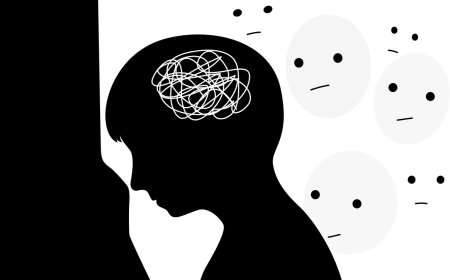
There are forces that do not leave visible scars, yet they alter a person more deeply than any physical wound. Among the most powerful of these forces is stigma. It does not arrive as an event, nor does it always appear in direct confrontation. It exists in language, in tone, in the way people look, describe, and classify others. It reduces a human being into a label, a single attribute that overshadows everything else, and once this label is attached, it begins to operate silently, shaping how the person is seen, treated, and eventually how they see themselves.


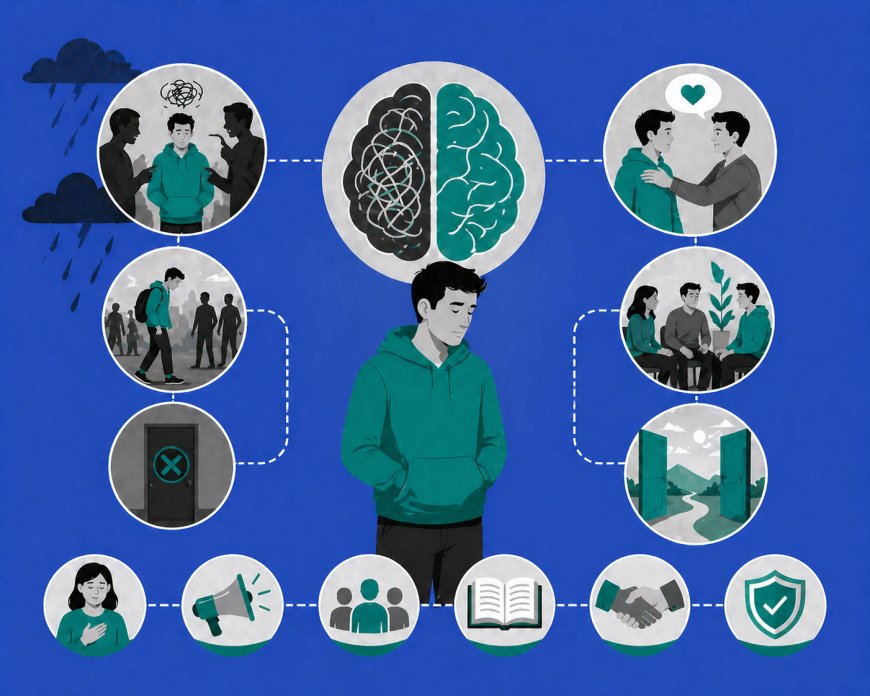
Stigma is not merely an opinion. It is a structure. It begins with ignorance, grows into bias, and eventually transforms into behavior. This progression is critical to understand, because the harm is not limited to what is said, but extends to what is done and what is withheld. Opportunities may disappear, respect may diminish, and access to support may become restricted, not because of a person’s ability, but because of a perception imposed upon them. This perception, once repeated within a social environment, becomes normalized. It no longer appears as an exception, but as a rule.
To distinguish clearly, stigma and discrimination are not identical, but they are deeply connected. Stigma is the belief, the negative stereotype that exists in the mind. Discrimination is the action that emerges from that belief. One shapes perception, the other shapes reality. And when both operate together, the individual is not only judged unfairly, but also treated unfairly. This combination creates a cycle that is difficult to break, because it is reinforced both internally and externally.
The impact of stigma is not immediate in all cases. Often, it accumulates gradually. It appears in words that seem casual but carry weight. Descriptions that are repeated until they become identity. Reactions that signal exclusion without explicit rejection. Over time, the person begins to internalize these signals. This is where stigma becomes most dangerous—not when it is imposed, but when it is absorbed. Self-stigma emerges when individuals adopt the same negative beliefs about themselves, questioning their worth, their capability, and their right to seek help or to participate fully in society.
This internalization has measurable consequences. Research consistently shows that stigma is associated with deterioration in mental health, increased feelings of isolation, reduced self-esteem, and a sense of shame that prevents individuals from expressing their reality. More critically, it delays or completely blocks access to treatment. Many individuals avoid seeking help not because services are unavailable, but because the social cost of being identified as someone in need of help feels greater than the cost of suffering in silence.
The workplace provides a clear illustration of this dynamic. Even in environments that claim professionalism and inclusivity, stigma persists. Employees hesitate to speak about their mental health, not because they lack awareness, but because they fear the consequences. Reputation, career progression, and job security become variables in a calculation that discourages openness. When one in three individuals fears that revealing their mental health condition may affect their future, silence becomes a rational choice. But this silence does not solve the problem. It deepens it.
Media and social platforms play a significant role in reinforcing these patterns. When mental health conditions are consistently portrayed through extreme or negative narratives—violence, instability, unpredictability—they create a distorted image that influences public perception. These portrayals do not reflect the majority of cases, yet they shape the collective imagination. And when this imagination becomes dominant, it creates fear, misunderstanding, and distance between individuals and the reality of mental health.
At a broader level, stigma is not only a personal issue. It is a societal one. It reflects how communities define difference, how they respond to vulnerability, and how they balance judgment with understanding. In societies where appearance is prioritized over reality, and where deviation from the norm is quickly labeled, stigma becomes embedded in everyday interaction. It does not require explicit intention. It operates through repetition.
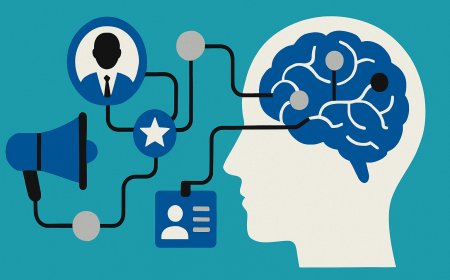
Addressing stigma, therefore, cannot be limited to awareness alone. Awareness without action remains superficial. Real change requires multiple layers. It requires open dialogue, where individuals can speak without fear of reduction. It requires representation, where stories of recovery and resilience are visible, not hidden. It requires systemic adjustments, where policies protect dignity and ensure access to support without penalty. And it requires education—not only about conditions, but about how to respond to them.
One of the most effective mechanisms in reducing stigma is exposure to real narratives. When individuals hear authentic experiences from others who have faced similar challenges, the abstract becomes concrete. The unknown becomes familiar. And fear begins to dissolve. This is why many public figures who have spoken openly about their experiences have contributed to shifting perception. Not because they eliminated stigma entirely, but because they disrupted its narrative.
In contexts such as Saudi Arabia, where values are deeply rooted in principles of dignity, equality, and justice, the contradiction between stigma and foundational beliefs becomes evident. Religious and ethical frameworks emphasize the equality of individuals and reject discrimination based on superficial attributes. Yet, practice does not always align with principle. This gap represents not a failure of values, but a failure of application. Bridging this gap requires intentional effort—at the level of policy, education, and daily interaction.
Ultimately, stigma is not defeated by denial. It is confronted by clarity. By recognizing that every label reduces complexity, that every stereotype distorts reality, and that every act of exclusion carries consequences that extend beyond the individual. A society that allows stigma to persist weakens itself, because it limits the potential of its members. A society that challenges stigma strengthens itself, because it expands what is possible for everyone.
The question, then, is not whether stigma exists.
It does.
The question is whether we allow it to define how we see, how we treat, and how we respond—
or whether we choose to see beyond it.
What's Your Reaction?