


















































































Isotopic Imprints of Deep Earth Processes: Uncovering Hidden Geochemical Pathways
Recent advances in isotopic geochemistry have unveiled previously hidden pathways in Earth's deep processes. By analyzing isotopic signatures, researchers are uncovering the dynamic interactions between the mantle, crust, and surface. These insights not only enhance our understanding of Earth's formation and evolution but also have implications for resource exploration and environmental studies.

In the silent depths of our planet, profound processes shape the course of geological history. The isotopic signatures embedded within Earth’s layers offer a glimpse into these concealed dynamics. Isotopic geochemistry provides a powerful lens through which scientists probe the deep Earth, deciphering the imprints left by ancient geological events. Recent advancements in this field have illuminated previously obscured pathways, enhancing our understanding of the intricate processes beneath our feet.


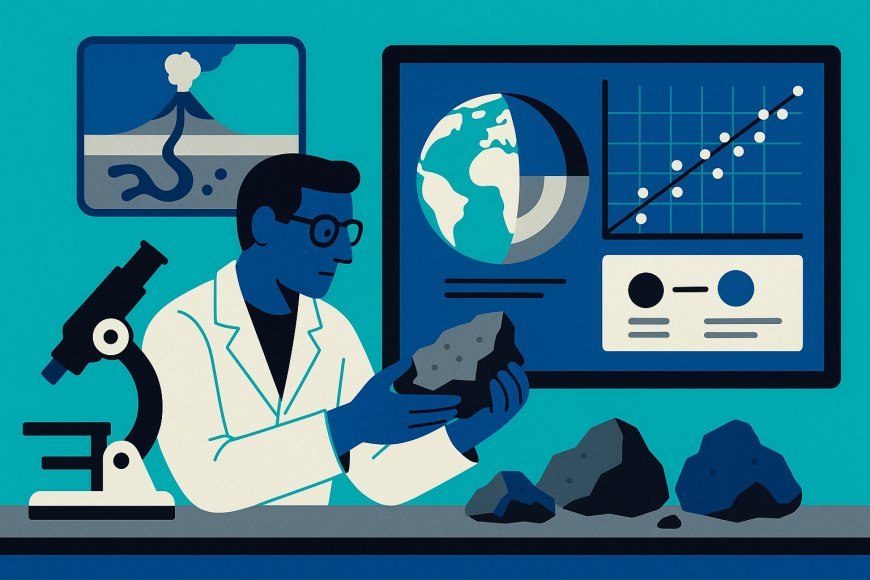
Isotopic variations serve as timeless markers, capturing the essence of geochemical transformations over vast timescales. Consider the investigative techniques employed in a typical isotopic analysis of volcanic rocks. Researchers measure ratios of isotopes, such as strontium-87 to strontium-86, to trace the origins and movements of magma. Through these analyses, scientists can map the mantle’s flow patterns and unravel the history of volcanic activity. This approach provides insights into the internal forces driving tectonic shifts and informs predictions of future geological phenomena.
Deciphering Mantle-Crust Interactions
The interplay between Earth’s mantle and crust remains a focal point in geochemistry. Isotopic studies reveal the exchange of materials between these layers, offering clues to their evolutionary trajectories. In a pioneering experiment involving oceanic crust samples, researchers employed neodymium isotopes to track the incorporation of mantle materials into the crust. This study illustrated how mantle plumes contribute to crust formation and alteration. By understanding these processes, geochemists can reconstruct past tectonic activities and infer the conditions prevailing during Earth's formative years.
Isotopic analysis has also shed light on subduction zones where oceanic crust descends into the mantle. In these regions, complex interactions occur as crustal materials are recycled into the mantle. An ingenious application of lead isotopes enabled researchers to differentiate between materials sourced from the continental crust and those derived from the oceanic crust. This differentiation is crucial for identifying the specific contributions to volcanic eruptions and seismic activities linked to subduction. Such insights are invaluable for assessing geological hazards and developing mitigation strategies.
Another compelling example lies in the isotopic examination of minerals formed at great depths. By analyzing the isotopic composition of diamonds, scientists can infer the presence of subducted oceanic crust within the mantle. These findings challenge traditional models of mantle convection and offer evidence for the recycling of surface materials into Earth's deeper layers. The isotopic signatures preserved in these minerals act as geological time capsules, unlocking secrets of Earth’s geochemical cycles and the longevity of its internal processes.
The Role of Geochemical Tracers in Resource Exploration
Isotopic geochemistry is not merely an academic pursuit; it holds tangible implications for resource exploration and environmental monitoring. By utilizing isotopic tracers, geochemists can pinpoint the origins of mineral deposits, informing exploration strategies. In a significant case study, the isotopic composition of copper ore deposits was analyzed to determine the contribution of magmatic versus hydrothermal processes in their formation. Such analyses guide the search for economically vital resources and optimize extraction methods.
Beyond mineral exploration, isotopic tools aid in environmental assessments. For instance, in groundwater studies, scientists employ oxygen and hydrogen isotopes to trace the sources and pathways of aquifer recharge. This information is crucial in regions facing water scarcity and helps design sustainable management practices. Similarly, isotopic analysis of carbon in soil and plant materials assists in tracking carbon cycling and assessing the impact of agricultural practices on carbon sequestration.
Isotopic studies also extend to climate research, where isotopic records from ice cores and sediments reveal historical climate variations. By correlating isotopic data with other geological indicators, researchers can reconstruct past climate conditions and improve models predicting future climate change. This interdisciplinary application underscores the significance of isotopic geochemistry in addressing contemporary environmental challenges.
Future Directions in Isotopic Geochemistry
The evolution of isotopic geochemistry continues to inspire the scientific community. Emerging technologies such as multi-collector inductively coupled plasma mass spectrometry enhance the precision and resolution of isotopic measurements. These advancements enable the identification of subtle isotopic variations previously undetectable, opening new avenues for research. Future studies may unravel the complexities of Earth's core composition and the elusive interactions between the core and mantle.
Moreover, isotopic methods are poised to play a pivotal role in extraterrestrial exploration. As humans venture beyond Earth, isotopic analysis of materials from celestial bodies could provide insights into planetary formation and the potential for life elsewhere. The quest to understand the isotopic signatures of other worlds mirrors our attempts to decode Earth's own isotopic narrative.
In this unfolding journey, isotopic geochemistry serves as a bridge connecting the ancient past with the evolving future, offering a profound understanding of the processes that shape our planet and others in the cosmos.
What's Your Reaction?