












































































The Scientific Validity of Emotional Intelligence: Methodological Insights and Challenges
This article delves into the scientific validity of emotional intelligence, exploring the methodological challenges and biases involved in its measurement. It examines the constructs used to assess emotional intelligence, discusses the criteria for validity, and presents a case study illustrating the impact of bias on interpretation. The piece also suggests ways to enhance the reliability and validity of emotional intelligence research through improved methodologies and cross-disciplinary approaches. Ultimately, it raises questions about the broader implications of emotional intelligence in scientific inquiry and real-world applications.

Emotional intelligence (EI) is often heralded as a crucial component of personal and professional success. But does it truly hold scientific credibility? The notion of emotional intelligence, while popular, faces significant scrutiny when examined through a rigorous scientific lens. Understanding its validity requires dissecting the methodologies underpinning EI research and the biases that may cloud its interpretation.


One of the primary challenges in EI research is its definition and measurement. Unlike tangible metrics in physical sciences, EI embodies abstract constructs such as empathy, self-regulation, and social skills. These constructs demand sophisticated methodologies to ensure valid assessments. In an experimental setup, researchers might employ self-report questionnaires, behavioral observations, and physiological measures to gather data. Yet, these instruments often succumb to subjective bias, where participants’ self-perceptions may not accurately reflect their emotional capabilities. Consequently, the validity of EI assessments becomes a contested arena, requiring a delicate balance between objective measures and subjective insights.
Challenges in Measuring Emotional Intelligence
In a typical observational study, the measurement of emotional intelligence relies heavily on psychometric tools. These tools often face criticism due to their dependency on self-reported data, which can be inherently biased. Participants may overestimate their emotional abilities, influenced by social desirability or lack of self-awareness. This discrepancy between perceived and actual EI levels poses a significant validity challenge.
Consider a behavioral experiment where individuals are tasked with interpreting emotional cues from facial expressions or tone of voice. The accuracy of their interpretations serves as a proxy for their emotional intelligence. However, this method assumes a universal understanding of emotional expressions, neglecting cultural and contextual nuances. Such oversight can introduce cultural bias into the measurement process, skewing results and undermining the assessment's validity.
Moreover, the construct validity of EI is often questioned. Critics argue that existing EI models lack coherence and overlap with existing personality traits such as agreeableness or openness. This overlap complicates the delineation of EI as a distinct construct, challenging its scientific legitimacy. Addressing these concerns requires a more nuanced approach to construct development, ensuring that EI measurements are both comprehensive and distinct from related psychological constructs.
Methodological Innovations and Their Impacts
Recent efforts in EI research have focused on refining measurement tools to enhance validity. Multi-method approaches combining self-reports with peer assessments or physiological indicators seek to mitigate bias. For instance, in a longitudinal study, researchers might track physiological responses such as heart rate variability alongside self-reports to gauge emotional regulation over time. This triangulation of data sources aims to provide a more holistic view of EI, strengthening the validity of findings.
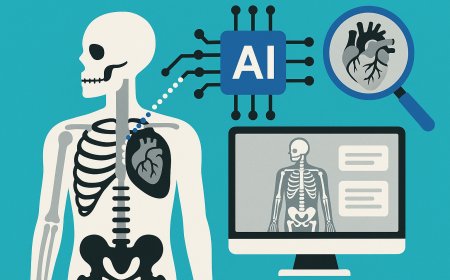
Another innovative approach involves the use of artificial intelligence to analyze behavioral data. Machine learning algorithms can detect patterns in communication styles or social interactions, offering an objective lens for evaluating emotional intelligence. In one experimental setup, AI was employed to analyze text messages and social media interactions, identifying emotional patterns that correlated with traditional measures of EI. This integration of technology represents a significant step towards reducing human bias in EI assessments.
Despite these advancements, methodological challenges persist. Ensuring cross-cultural validity remains an ongoing concern. Emotional expressions and their interpretations vary widely across cultures, and standardized measures may not capture this diversity. Thus, cross-cultural studies are essential to developing universally valid EI assessments, requiring collaboration between psychologists, anthropologists, and sociologists.
Implications for Emotional Intelligence Research
The pursuit of scientific validity in emotional intelligence research has far-reaching implications. As methodologies evolve, they shape our understanding of what constitutes emotional intelligence and its role in human behavior. A rigorous approach to EI research not only enhances its scientific credibility but also informs its application in fields like education, healthcare, and organizational management.
Consider an educational initiative where EI training is integrated into the curriculum. The success of such programs hinges on the reliability of EI assessments, which guide instruction and measure outcomes. Similarly, in organizational settings, EI assessments inform hiring, leadership development, and team dynamics. Accurate measures ensure that interventions are targeted effectively, maximizing both personal and organizational benefits.
Looking ahead, the future of EI research lies in its ability to adapt and evolve. As new methodologies emerge, they must be critically assessed for validity and cultural relevance. Emotional intelligence will continue to be a dynamic field, intersecting with advancements in neuroscience, AI, and social sciences. Ultimately, the quest for scientific rigor in EI research not only enriches our understanding of human emotion but also empowers individuals to navigate an increasingly complex social world.
What's Your Reaction?