

















































































Reassessing Mental Health Diagnostics: The Challenges of Conceptual Boundaries
This article challenges the established boundaries of mental health diagnostics, focusing on the intricacy of classification systems and their implications. It examines how these systems influence clinical outcomes and highlights the necessity of embracing a more fluid understanding of mental health conditions. Through case studies, the article explores how rigid diagnostic frameworks can lead to misdiagnosis and stigmatization, urging a reevaluation of our current approaches. By questioning traditional assumptions, this exploration seeks to inspire a paradigm shift towards more dynamic and individualized diagnostic practices.


Picture a bustling psychiatric clinic where each patient undergoes a meticulous evaluation process. The clinician, armed with a diagnostic manual, attempts to classify a complex web of symptoms into standardized categories. However, the nature of mental health defies such simplification. This practice, rooted in decades of tradition, may overlook the nuanced interplay of individual experiences and environmental factors. The challenge lies in the dichotomy between the necessity for classification and the inherent fluidity of mental states.


In the clinical setting, a typical scenario unfolds where a patient presents with overlapping symptoms: anxiety, mood swings, and concentration issues. The diagnostic approach demands a singular categorization, often leading to a primary diagnosis that may not encapsulate the full spectrum of the individual's experience. This process highlights the inadequacies of rigid diagnostic frameworks and underscores the need for a paradigm shift towards more holistic approaches. Herein lies a fundamental question: can the current system truly reflect the kaleidoscope of human mental states?
Conceptual Challenges in Mental Health Diagnostics
The current diagnostic systems in psychiatry, such as the DSM or ICD, while instrumental in providing a common language for clinicians, are not without their limitations. These systems often classify disorders based on symptomatic clusters, which may not account for the underlying biological, psychological, and social dimensions that contribute to mental health conditions. Consider an observational study in which researchers examine patients diagnosed with major depressive disorder. Their findings reveal significant variability in symptom presentation and treatment response, challenging the validity of a one-size-fits-all diagnosis.
Such systems inevitably influence clinical outcomes, as they dictate treatment pathways and insurance coverage. In a behavioral experiment, clinicians follow established diagnostic criteria to prescribe medication, only to find that patients with similar diagnoses respond differently to treatment. This raises pivotal questions about the efficacy and fairness of a system that prioritizes classification over individualization. The rigidity of these frameworks can lead to misdiagnosis, unnecessary treatment, and even stigmatization, as individuals struggle to understand their own conditions within the narrow confines of established labels.
The impact of these conceptual challenges extends beyond individual treatment. The societal perception of mental health disorders is heavily influenced by the language and labels propagated by diagnostic manuals. In a cultural context, this can perpetuate stereotypes and reinforce stigmatizing attitudes, further alienating those affected by mental health issues. The implications are profound, calling for an urgent reassessment of how mental health is conceptualized at both individual and societal levels.
Case Studies Highlighting Diagnostic Ambiguities
In examining the case of a patient displaying symptoms of both bipolar disorder and borderline personality disorder, clinicians often face diagnostic ambiguity. The overlapping features of mood instability, impulsivity, and difficulty in interpersonal relationships make a clear-cut diagnosis challenging. This case underscores the complexity of mental health and the need for flexible diagnostic criteria that can accommodate the multifaceted nature of these conditions.
Another case involves a child presenting with symptoms of ADHD, yet the underlying issues may stem from environmental stressors or trauma. In conventional practice, the external factors influencing symptomatology are frequently overlooked, leading to potential misdiagnosis and inappropriate treatment. This case emphasizes the importance of context and the need for diagnostics that are sensitive to the broader environmental and social influences impacting mental health.
These case studies illuminate the limitations of established diagnostic boundaries and advocate for a more integrated approach. By recognizing the unique constellation of factors contributing to each individual's mental health, clinicians can tailor interventions more effectively. This requires a shift away from categorical diagnoses towards a more dimensional understanding, where a spectrum of symptoms and experiences are considered in their entirety.
A Future of Dynamic and Individualized Mental Health Diagnostics
As we navigate the intricate complexities of mental health, the call for a more dynamic and individualized approach to diagnostics becomes increasingly apparent. Emerging research in neurobiology and psychology suggests that mental health conditions cannot be adequately captured by static categories. Instead, a more fluid diagnostic system that considers genetic, neurological, and environmental influences is necessary.
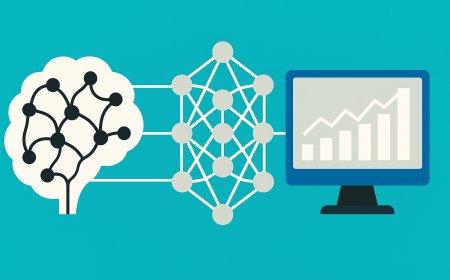
This vision of future diagnostics embraces a multidimensional framework, where artificial intelligence and machine learning could play pivotal roles in analyzing vast datasets to identify patterns and correlations that elude traditional methods. Such advancements hold the promise of more accurate and personalized mental health care. As science continues to evolve, so too must our understanding and treatment of mental health, pushing the boundaries of conventional diagnostic practices.
Ultimately, the journey towards more effective mental health diagnostics challenges us to rethink our assumptions and embrace the complexity of human experiences. In doing so, we pave the way for a more compassionate and comprehensive approach to mental health care, one that honors the individuality of each person's mental health journey.
What's Your Reaction?