



























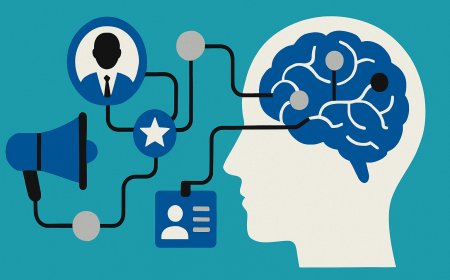



























































The Dynamics of Confirmation Bias in Scientific Research
Confirmation bias, a pervasive cognitive phenomenon, impacts scientific research by skewing data interpretation and hypothesis testing. This article explores its mechanisms, presents an experimental case study, and discusses strategies for counteracting its effects.


In the meticulous world of scientific inquiry, the integrity of data interpretation can be subtly compromised by a well-known cognitive phenomenon: confirmation bias. This bias, characterized by the tendency to favor information that confirms existing beliefs or hypotheses, poses a significant challenge to objective scientific research. Consider a laboratory setting where researchers are conducting a behavioral experiment designed to explore the effects of a new drug on cognitive performance. Without rigorous checks in place, confirmation bias can lead these researchers to selectively notice and interpret data that supports their initial hypothesis, potentially overlooking contradictory data that could be equally significant.


Confirmation bias infiltrates the scientific process at various stages, beginning with hypothesis formation and extending through data collection, analysis, and interpretation. In a typical observational study, researchers may unconsciously select data points that align with their expectations and dismiss or undervalue those that do not. This bias can subtly influence the selection of research methods and analytical techniques, skewing results in a direction that seems to affirm pre-existing theories.
Mechanisms of Confirmation Bias
To understand how confirmation bias affects scientific research, one must delve into its cognitive underpinnings. At its core, this bias is rooted in the brain's inherent tendency to favor cognitive efficiency over accuracy. By predisposing individuals to interpret new information in a way that fits with existing beliefs, confirmation bias minimizes cognitive dissonance, a state of mental discomfort arising from contradictory information. This mental shortcut, while efficient, can significantly distort scientific findings.
In empirical studies examining cognitive processes, researchers have observed that confirmation bias manifests through selective attention and memory recall. For instance, in an experimental setup where subjects are asked to evaluate the effectiveness of two competing theories, individuals tend to focus more on evidence supporting the theory they initially preferred. This selective attention reinforces their initial belief, further entrenching the bias.
Similarly, memory recall is affected as individuals are more likely to remember information that reinforces their preconceptions. In a simulated research environment, participants exposed to mixed evidence about a controversial topic were found to recall supportive evidence more vividly, leading to skewed interpretations of their research findings.
Case Study: An Experimental Investigation
Consider an experimental investigation in a cognitive psychology lab designed to assess the impact of mindfulness training on stress reduction. The researchers hypothesize that participants undergoing mindfulness training will report lower stress levels compared to a control group. As the study progresses, confirmation bias could emerge during data analysis, where researchers might unconsciously give more weight to self-reported stress reductions aligning with their hypothesis, while attributing any increases in stress to extraneous variables.
In this scenario, the experimental design is critical. To mitigate confirmation bias, the study could employ a double-blind methodology, where neither the participants nor the researchers conducting the stress assessments are aware of who belongs to the mindfulness group. Such a design helps ensure that expectations do not inadvertently shape the outcomes, allowing for a more balanced interpretation of the data.
Analyzing the results with a focus on statistical rigor further combats the influence of confirmation bias. Instead of merely looking for significance in the expected direction, researchers could conduct a thorough examination of all data trends, including those that challenge their initial assumptions. This broader analytical approach promotes a more comprehensive understanding of the observed phenomena.
Strategies for Mitigating Confirmation Bias
To uphold the integrity of scientific research, it is essential to implement strategies that counteract confirmation bias. One effective approach is the pre-registration of study protocols, where researchers publicly outline their hypotheses, methods, and analysis plans before collecting data. This transparency reduces the likelihood of data manipulation to fit preconceived notions.
Another strategy involves fostering a research culture that values critical thinking and skepticism. Encouraging researchers to actively seek out disconfirming evidence can help balance the inherent bias towards confirmation. This practice not only refines scientific theories but also enhances the robustness of experimental findings.
Collaboration across research teams with diverse perspectives can also serve as a buffer against confirmation bias. By engaging with peers who hold different viewpoints, researchers are exposed to alternative interpretations of data, promoting a more balanced and comprehensive analysis of results.
As scientific research continues to evolve, the challenge of confirmation bias remains ever-present. However, through deliberate methodological practices and a commitment to intellectual humility, the scientific community can strive towards more objective and reliable discoveries.
Looking forward, embracing technological advances such as artificial intelligence in data analysis could further help minimize human biases, offering new pathways for more accurate and unbiased research outcomes.
What's Your Reaction?