Rethinking Emotional Intelligence: Neurological Underpinnings and Practical Applications
Recent advancements in understanding emotional intelligence (EI) highlight its neurological basis and practical applications. Studies show that EI influences interpersonal interactions and decision-making processes. Research demonstrates that EI-related brain regions impact empathy, social behavior, and emotional regulation. The development of EI-focused interventions is transforming organizational environments and educational practices. By examining brain activity patterns and neural connectivity, scientists correlate high EI with improved social functioning and workplace productivity. This growing area of study emphasizes the potential for training programs to enhance EI, fostering better communication and collaboration skills. Future research aims to uncover the genetic components of EI, potentially revolutionizing personalized educational and therapeutic approaches.

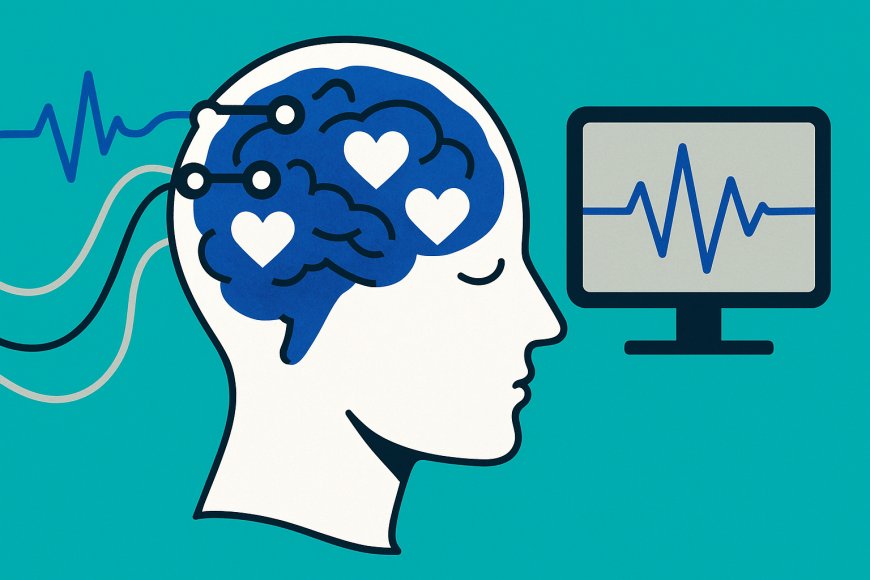
The concept of emotional intelligence (EI) has garnered substantial attention for its purported role in shaping social interactions and professional success. Intriguingly, recent studies have begun to elucidate the neurological underpinnings of EI, suggesting a complex interplay between specific brain regions and emotional competencies. In a typical observational study, researchers employed functional magnetic resonance imaging (fMRI) to examine variations in brain activity related to empathy and emotional regulation. This revealed significant activation in the anterior cingulate cortex and prefrontal cortex, areas implicated in decision-making and social behavior.


Consider a behavioral experiment where participants were tasked with interpreting emotional expressions and responding appropriately in real-time. Observed brain scans indicated that those with higher EI demonstrated enhanced connectivity between the amygdala and prefrontal cortex. This neural synchronization appears to facilitate rapid processing of emotional cues, thereby improving interpersonal interactions. Such findings underscore the potential for EI to be dissected into quantifiable neural components, offering a tangible framework for understanding its impact on human behavior.
Neurological Underpinnings of Emotional Intelligence
Within the neurological sphere, EI is not merely a theoretical construct but a measurable trait with physiological correlates. Detailed neuroimaging studies have identified that the amygdala, a region associated with processing emotions, exhibits heightened activity in individuals with high EI. This activity is modulated by the prefrontal cortex, which governs higher-order executive functions such as judgment and impulse control.
In an experimental design involving emotionally charged scenarios, subjects with elevated EI showed increased prefrontal cortex engagement when regulating emotional responses. This suggests that EI involves a sophisticated interplay where cognitive control mechanisms modulate emotional impulses, allowing for adaptive responses. The balance between these neural processes facilitates nuanced emotional understanding and management.
Research has further demonstrated that the insula, a region implicated in self-awareness and empathy, plays a critical role in EI. During tasks requiring emotional introspection, insular activation was markedly evident in those with higher EI scores. This underscores the notion that the neurological architecture of EI is both distributed and interconnected, involving a network of regions that collectively govern emotional perception and reaction.
Practical Applications and Societal Impacts
The implications of understanding EI from a neurological perspective extend well beyond academic interest. In organizational settings, EI has become a focal point for leadership development and team dynamics. Companies are increasingly integrating EI assessment and training into their human resources frameworks, recognizing the correlation between high EI and enhanced communication skills, conflict resolution, and overall workplace productivity.
Educational institutions are also capitalizing on these insights, embedding EI training within curricula to foster emotional and social competencies in students. Programs designed to enhance EI focus on strategies like emotional recognition, empathy exercises, and stress management techniques. As evidence mounts, these interventions are shown to improve not only academic performance but also social adaptation and mental health outcomes.
On a broader scale, the societal benefits of promoting EI are profound. By cultivating environments that prioritize emotional competencies, communities can address social issues such as bullying, discrimination, and inequality. The ability to empathize, understand, and manage emotions is crucial in navigating complex social landscapes, making EI an invaluable asset in fostering cohesive and compassionate societies.
Future Directions in Emotional Intelligence Research
The quest to unravel the intricacies of EI promises to continue as researchers delve into genetic predispositions and potential heritability. Preliminary findings from twin studies suggest a genetic component to EI, which could open avenues for personalized education and therapy based on individual EI profiles.
Moreover, advancements in neurotechnology and machine learning are set to revolutionize the assessment and enhancement of EI. By leveraging artificial intelligence, scientists aim to develop diagnostic tools that can predict EI levels and tailor interventions accordingly. These innovations could transform educational and therapeutic practices, offering customized pathways to bolster emotional and social skills.
As the field progresses, it is clear that emotional intelligence will play a pivotal role in shaping future societal and individual success. The integration of EI into various domains promises a future where emotional competencies are as valued as cognitive abilities, leading to a more empathetic and interconnected world.
What's Your Reaction?