










































The Psychological and Physical Benefits of Hobbies
Discover how practicing hobbies can boost mental and physical health, and learn about hobby trends in Saudi Arabia from a recent study.

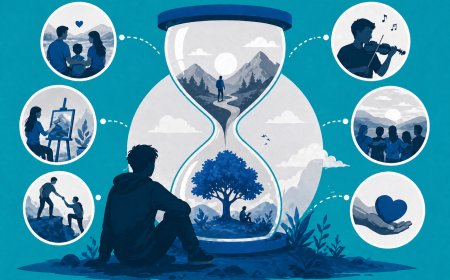
Hobbies are often framed as optional activities, something individuals engage in when time allows, separate from what is considered essential in life. Yet this framing understates their true function. Across multiple studies, consistent evidence shows that practicing hobbies is not merely a form of entertainment, but a behavioral pattern associated with improved mental, physical, and lifestyle outcomes. Individuals who engage in hobbies demonstrate lower levels of anxiety, fewer mood fluctuations, and reduced likelihood of depression. These outcomes are not incidental. They reflect a deeper mechanism: hobbies create structured engagement without pressure, allowing the mind and body to operate in a state that balances stimulation with recovery.


This understanding has elevated hobbies from a personal preference to an indicator of well-being and quality of life. When individuals diversify their activities beyond obligation—work, study, or routine—they introduce variation into their daily structure. This variation reduces monotony, enhances cognitive flexibility, and creates opportunities for skill development. As a result, hobbies contribute not only to emotional stability but also to the broader development of personality, discipline, and identity.
Recognizing this, the Kingdom of Saudi Arabia incorporated the promotion of hobbies into its national agenda through Saudi Vision 2030. The objective was not simply to encourage leisure, but to enable all segments of society to access and adopt activities that enhance overall well-being. This shift reflects a broader understanding of health—not as the absence of illness, but as a state supported by behavior, environment, and lifestyle choices.
Within this context, a national effort was initiated to move beyond assumptions and generate empirical evidence. In 2021, the research team at Sharik Association for Health Research integrated the study of hobbies into the Sharik Food and Health Survey, aiming to quantify participation rates and examine their relationship with mental, physical, and behavioral health indicators. In collaboration with Informed Decision Making (IDM), the study produced one of the most comprehensive datasets on this topic at the Kingdom level.
The findings provide a clear and structured picture. Approximately 45.4% of individuals reported practicing at least one hobby within the previous month. Participation was highest among younger age groups, particularly those between 18 and 29 years, indicating a generational inclination toward diversified activity. In terms of type, sports-related hobbies were the most common, accounting for nearly 19% of participation, with higher prevalence among men. Literary and artistic hobbies followed, with women demonstrating higher engagement in these categories. Geographically, the Eastern Province recorded the highest overall participation rate, reaching approximately 55%.
Beyond distribution, the most critical insights lie in the associations observed between hobby participation and health outcomes. From a mental health perspective, individuals who practiced hobbies were less likely to exhibit symptoms associated with anxiety disorders compared to those who did not engage in such activities. This aligns with international findings, reinforcing the role of hobbies as a stabilizing factor in psychological well-being.
From a physical health standpoint, the difference is even more pronounced. Hobby practitioners were more than twice as likely to meet the daily physical activity recommendations set by the World Health Organization. This suggests that hobbies, particularly those involving movement, function as an indirect pathway to achieving health guidelines without the perception of obligation typically associated with structured exercise programs.
Behavioral patterns also reflect this divergence. Individuals engaged in hobbies reported higher consumption of fruits and vegetables compared to non-practitioners. While this relationship is not necessarily causal, it indicates that hobby engagement may be part of a broader lifestyle pattern characterized by healthier choices and greater awareness of well-being.
Taken together, these findings position hobbies not as isolated activities, but as components of an integrated lifestyle system. They influence how individuals spend their time, how they manage stress, how they move, and even how they eat. This systemic impact explains why the benefits observed in Saudi Arabia are consistent with those reported in other countries. The mechanism is not cultural alone. It is behavioral and structural.
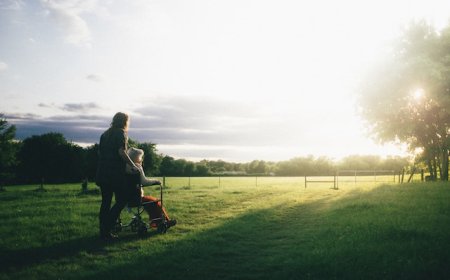
However, one critical observation emerges when examining age-related trends. Participation in physical hobbies declines with increasing age, particularly among older adults. This decline is not merely a shift in preference, but a reduction in engagement that may carry health implications. As physical activity decreases, so do its associated benefits, creating a gap that must be addressed through targeted intervention.
The response to this trend does not require imposing intensive activity, but rather enabling accessible alternatives. Light hobbies—such as intellectual games, reading, artistic activities, or low-intensity physical engagement—can provide similar psychological and cognitive benefits without imposing physical strain. Encouraging such activities among older populations is not only a matter of lifestyle improvement, but of preventive health.
The broader implication is clear. Promoting hobbies should not be treated as a secondary initiative. It is a strategic tool for improving population health. Policies that create access, awareness, and infrastructure for hobby engagement contribute directly to reducing health risks and enhancing quality of life.
At the individual level, the message is equally direct. Hobbies do not require specialization, nor do they demand high commitment at the beginning. Their primary function is engagement. They introduce balance into daily life, provide space for expression, and create opportunities for growth without pressure. This is precisely why they are effective—they operate outside the constraints that often make other health behaviors difficult to sustain.
In the end, the value of hobbies is not in the activity itself, but in what it changes.
How you think.
How you feel.
How you live.
And perhaps most importantly, how you use the time that would otherwise pass without impact.
Because in that space, between obligation and intention, hobbies do more than fill time.
They reshape it.
What's Your Reaction?