














































































The Algorithms of Deception: Mathematical Models in Misinformation Combat
This article explores mathematical models used to combat misinformation, focusing on algorithms designed to identify and mitigate false information. Through anonymized case studies, we examine the efficacy of these algorithms and discuss potential future developments in the methodologies for misinformation detection. Critical analysis of various model approaches, including pattern recognition and network analysis, highlights their effectiveness and limitations. The article concludes with a discussion on the future role of artificial intelligence in refining these models to adapt to evolving misinformation tactics.


In an era where misinformation proliferates at unprecedented rates, the battleground has shifted from traditional media to digital platforms. An unsettling statistic underscores this reality: false news travels six times faster than the truth on social media platforms. This phenomenon has prompted researchers to innovate mathematical models designed to combat this digital contagion, highlighting the intricate interplay between algorithms and human behavior in the digital age.


Consider a scenario where a social media platform faces an onslaught of misinformation during a critical election period. In response, a team of data scientists deploys a sophisticated algorithm capable of analyzing vast amounts of data, seeking patterns indicative of misinformation spread. This algorithm doesn't merely flag content; it evaluates the network of interactions, identifying accounts exhibiting behavior patterns typical of bot activity. This initial filter serves as the first line of defense, providing a buffer against the rapid dissemination of falsehoods.
Pattern Recognition in Misinformation Identification
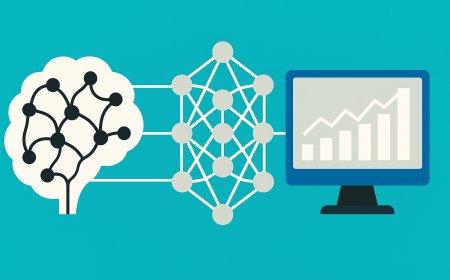
The heart of misinformation combat lies in pattern recognition. Algorithms designed for this purpose leverage machine learning to detect anomalies in data streams. Imagine a model trained on millions of news articles, distinguishing credible sources from dubious ones by recognizing specific language cues and source reputability. These algorithms parse text, context, and the history of information outlets, much like a human editor curates trusted content for publication.
A case study illustrates this process in action. During an outbreak of a viral disease, a health information platform uses a pattern recognition algorithm to monitor social media posts. The algorithm identifies clusters of posts sharing misleading health advice, characterized by sensational language and links to non-certified websites. By flagging these patterns early, the platform can issue corrections or alerts, mitigating the potential harm caused by misinformation.
Despite their sophistication, these models face limitations. Language is complex, requiring nuanced understanding beyond mere keyword detection. The subtleties of sarcasm, irony, and regional dialects can obfuscate intent, challenging the effectiveness of these systems. Continuous refinement and training on diverse datasets are critical to enhancing their accuracy.
Network Analysis and Misinformation Spread
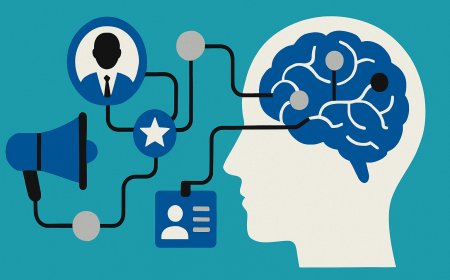
Network analysis provides another layer in the misinformation defense strategy. This approach examines how false information traverses through social networks, identifying key nodes responsible for rapid dissemination. Imagine a network of interconnected users where misinformation initiates from influential nodes—accounts with large followings or high engagement rates.
During a high-profile political event, a misinformation campaign employs a network analysis model to trace the path of falsities. The model maps connections between accounts, identifying super-spreaders who amplify false narratives. By targeting these nodes, the model can suppress misinformation spread by reducing its visibility at pivotal points in the network.
This method, however, carries ethical implications. It raises questions about privacy and freedom of expression, as the identification of influential nodes may inadvertently lead to censorship or suppression of legitimate discourse. Balancing these concerns with the need for effective misinformation control remains a significant challenge.
Adapting Algorithms to Evolving Threats
The future of misinformation combat hinges on the adaptability of algorithms to new threats. As misinformation tactics evolve, so too must the models designed to counteract them. Artificial intelligence offers promising avenues for advancement, providing the flexibility and learning capacity necessary to keep pace with sophisticated misinformation campaigns.
Consider an artificial intelligence system that continuously learns from new data inputs, adjusting its parameters to recognize emerging patterns of misinformation. Such a system could autonomously update its algorithms in response to shifts in misinformation tactics, ensuring that detection mechanisms remain robust and effective.
However, reliance on AI introduces its own set of challenges. The opacity of AI decision-making processes—often referred to as the "black box" problem—can obscure the rationale behind algorithmic actions. Ensuring transparency and accountability in AI systems is crucial to maintaining public trust and ensuring ethical use.
As we look to the future, the ongoing battle against misinformation will require a delicate balance between technological innovation and ethical responsibility. The constantly shifting landscape of digital information demands models that are not only accurate but also flexible and transparent. In this evolving domain, the role of interdisciplinary collaboration becomes paramount, integrating insights from data science, psychology, and ethics. Together, these fields can craft solutions that not only manage misinformation effectively but also uphold the values of freedom and authenticity.
What's Your Reaction?