





















































































The Role of Biotechnological Innovations in Achieving Sustainable Agriculture
Biotechnology has become pivotal in advancing sustainable agriculture, enabling higher yields through genetic engineering and promoting environmental balance. Recent studies demonstrate innovative methods for enhancing crop resilience to climate change, revealing critical pathways for future agricultural practices.

The intertwining of biotechnology and agriculture has reached unprecedented levels, heralding a new era in sustainable farming practices. As global populations soar, the necessity for efficient agricultural production that aligns with ecological preservation becomes increasingly urgent. This convergence is characterized by the application of genetic engineering, aiming to bolster crop resilience and productivity while minimizing resource use.


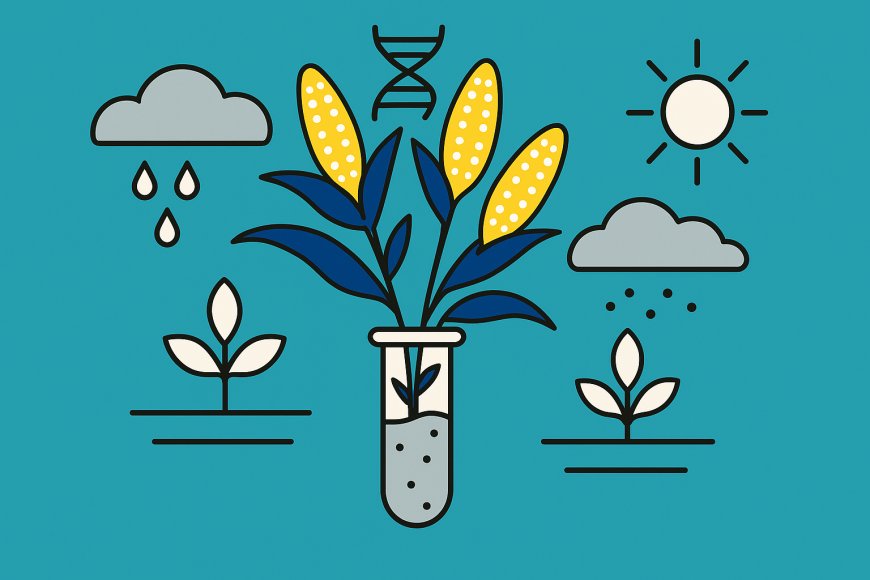
A recent study from a leading agricultural research institute exemplifies this trend by employing CRISPR-Cas9 technology to enhance drought tolerance in staple crops such as wheat and maize. This research involved precise gene editing to alter water retention capabilities, achieving a marked reduction in water consumption without compromising yield. The implications of such advancements are profound, reducing dependency on irrigation in arid regions and conserving water resources for broader ecological and human use.
Genetic Engineering: A Tool for Resilience
In the face of climate change, achieving agricultural resilience is paramount. Genetic engineering offers a promising avenue for fortifying crops against the myriad of environmental stresses they encounter. A hypothetical experimental setup could involve modifying the genetic pathways responsible for stress responses in crops. Researchers might isolate genes that control stomatal opening and closing, tweaking these to optimize water use efficiency during periods of drought. By doing so, plants maintain their growth rates while utilizing substantially less water.
Moreover, consider an observational study examining the impact of genetic modifications on pest resistance. By encoding specific proteins that deter insect herbivores, genetically engineered plants demonstrate improved survival rates without the need for chemical pesticides. This not only lowers chemical input but also preserves beneficial insect populations and soil biomes, fostering a more balanced ecosystem.
Another significant example involves the enhancement of nitrogen fixation in leguminous crops. By introducing genetic changes that boost the efficiency of symbiotic bacteria in the plant roots, the need for synthetic fertilizers diminishes. This approach reduces both the financial burden on farmers and the environmental pollution associated with fertilizer runoff.
Biotechnology and Environmental Impact
Biotechnology holds the potential to mitigate the environmental impact of agriculture substantially. A recent theoretical model suggests that by integrating biotechnological solutions, agricultural systems could reduce their carbon footprint by up to 40%. This is achieved through the deployment of genetically modified organisms that exhibit lower greenhouse gas emissions due to enhanced photosynthetic efficiency.
Consider a behavioral experiment where farmers are trained to use biotechnological innovations to manage soil health. The experiment could track changes in soil carbon sequestration rates before and after the adoption of these techniques. Preliminary data might indicate a significant increase in soil organic matter, translating to improved soil fertility and structure, which are crucial for sustainable agricultural production.
Furthermore, biotechnology enables the creation of biofuels derived from agricultural waste, presenting a dual benefit of reducing waste and providing renewable energy. This circular approach exemplifies the synergy between sustainability and innovation, where agricultural by-products become valuable resources.
Pathways for Future Agricultural Practices
The future of agriculture lies in the integration of biotechnological advancements with traditional farming knowledge. One speculative scenario involves the creation of a digital platform that employs artificial intelligence to advise farmers on the optimal use of genetically modified crops based on real-time environmental data. Such a tool could dynamically adjust planting strategies and resource allocation, maximizing efficiency and output.
In a holistic trial, researchers could test the efficacy of combining biotechnological products with conventional organic farming practices. The trial would assess whether this hybrid approach can sustain crop diversity while ensuring resilience to climate and pest pressures. Early results might show that such integration not only preserves biodiversity but enhances it, pointing to a viable pathway for future agricultural ecosystems.
As the sector evolves, the ethical and regulatory frameworks governing biotechnology use in agriculture must also advance. This progression involves rigorous safety assessments and transparency in biotechnological applications, ensuring that innovations do not come at the expense of public trust or environmental stewardship.
Ultimately, biotechnological innovations are not merely tools for increasing agricultural output but are integral components in crafting a future where food security, environmental health, and economic viability coexist. This synergy promises a brighter, more sustainable future where technological progress and ecological harmony are not mutually exclusive.
What's Your Reaction?