













































































The Architecture of Trust in Scientific Data Analysis: Beyond Objectivity
Scientific data analysis often hinges on the trustworthiness and authenticity of the data and methodologies employed. This article explores how trust is built in scientific research, focusing on the processes and innovations in data verification, transparency, and reproducibility that underpin scientific objectivity, ultimately advocating for a more nuanced understanding of trust in scientific practice.

In a typical observational study, data integrity forms the backbone of credible scientific inquiry. Consider a longitudinal investigation examining the impact of air pollution on public health. If the data collected lacks accuracy, any subsequent conclusions could mislead policy decisions, potentially compromising public health initiatives. This scenario underscores the vital importance of trust in scientific data and its analysis.


The scientific community increasingly prioritizes transparency and reproducibility, aspiring to build a foundation of trust that transcends mere objectivity. Amidst a deluge of information, how do researchers ensure the veracity of their conclusions? How can the intricate process of data analysis foster confidence in scientific findings? These questions lie at the heart of methodological innovation and reform.
Trust in scientific methodology is not merely an adherence to objectivity but involves a continuous evaluation of the protocols that guide research. It is a commitment to transparency, to laying bare every assumption and decision made during the data analysis process. The mechanisms of trust are complex, intertwined with technical advancements and societal expectations, requiring a keen understanding of both machine and human elements.
Verification and Validation: Ensuring Data Integrity
In scientific research, the principle of data verification is paramount. Consider a behavioral experiment where researchers aim to explore the effects of a new cognitive-behavioral therapy on anxiety reduction. The experiment relies on rigorous data collection methods, where participant responses are consistently monitored and recorded. Here, the reliability of findings hinges on robust verification protocols that authenticate data accuracy and validity.
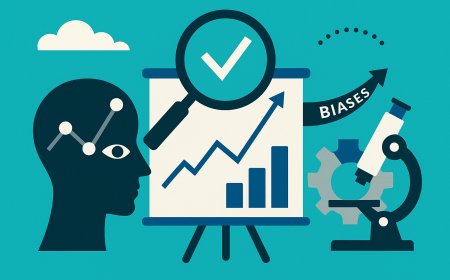
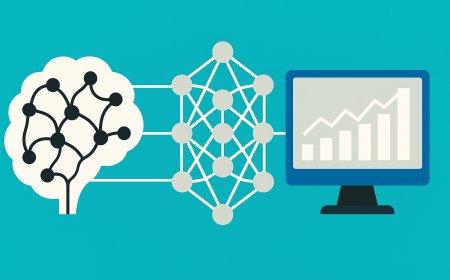
Data validation processes must evolve alongside technological capabilities. For instance, machine learning algorithms offer promising avenues to identify patterns and anomalies in large datasets, yet they also necessitate scrutiny. Algorithms are designed by humans and can inherently harbor biases, which may skew data interpretation. Therefore, scientists must meticulously validate machine outputs against empirical observations to uphold trustworthiness in their conclusions.
Verification extends beyond statistical soundness to encompass ethical considerations. The growing emphasis on privacy and data protection emerges as a critical facet of maintaining the public's trust. Researchers are increasingly tasked with balancing the benefits of data accessibility against potential risks to privacy, ensuring that ethical standards are upheld throughout the research lifecycle.
Transparency as a Cornerstone of Trust
Transparency in data analysis is not just a procedural formality but a philosophical commitment to scientific integrity. In the context of climate modeling, where projections influence global policy decisions, the transparency of models and data becomes crucial. Researchers must disclose their methodologies, allowing independent verification and fostering a collaborative environment for scientific critique.
Open-access data repositories are gaining traction as pivotal tools for enhancing transparency. These platforms allow researchers worldwide to access, analyze, and critique data, fostering a culture of openness. By democratizing data access, the scientific community nurtures a collective responsibility towards accuracy and integrity, essential for sustaining long-term trust.
Transparency also involves clear communication of the limitations inherent in any scientific endeavor. No model or analysis is devoid of constraints; acknowledging these limits fortifies the trustworthiness of the science. By transparently addressing uncertainties, scientists not only reinforce their credibility but also guide informed decision-making based on the current state of knowledge.
Reproducibility: The Pillar of Reliable Science
Reproducibility is a fundamental tenet of scientific trustworthiness. In biomedical research, for instance, reproducibility is crucial for translating laboratory findings into effective clinical treatments. When an experiment's results can be consistently replicated, confidence in the findings is bolstered, paving the way for innovations that can impact patient care.
Reproducibility requires meticulously detailed documentation of experimental procedures, enabling other researchers to replicate studies accurately. This precision is not merely technical but is deeply intertwined with ethical research practices, as it validates the robustness of scientific claims.
However, achieving reproducibility is not without its challenges. Variability in experimental conditions, differences in technological setups, and even subtle sample discrepancies can all affect outcomes. Scientists must continuously refine their methodologies and incorporate redundancy checks to ensure that reproducibility remains a cornerstone of scientific practice.
In an age where big data and complex models dominate, the pursuit of reproducibility demands innovative approaches. Cross-disciplinary collaborations can enhance reproducibility by introducing diverse perspectives and techniques that may not have been considered within isolated fields.
The endeavor to establish trust in scientific data analysis is neither superficial nor static. It represents an ongoing dialogue between transparency, reproducibility, and evolving societal norms. As science continues to push boundaries, the architecture of trust must adapt, ensuring that the core principles guiding research remain steadfast and robust. Looking to the future, the interplay between technological advancements and ethical considerations will shape how trust and authenticity are perceived in scientific discourse, ultimately influencing how knowledge is created and disseminated in our complex world.
What's Your Reaction?