

































































The Cognitive Architecture of Remote Work: A Deep Dive into Attention and Productivity
This article explores the cognitive architecture underlying remote work, examining how attention and productivity are influenced by spatial and temporal autonomy. It details various scientific experiments and case studies, illustrating how remote work environments impact cognitive load, attentional focus, and task performance. The piece also touches on the future implications of remote work's cognitive demands, suggesting how individuals and organizations might adapt to optimize productivity while maintaining well-being.

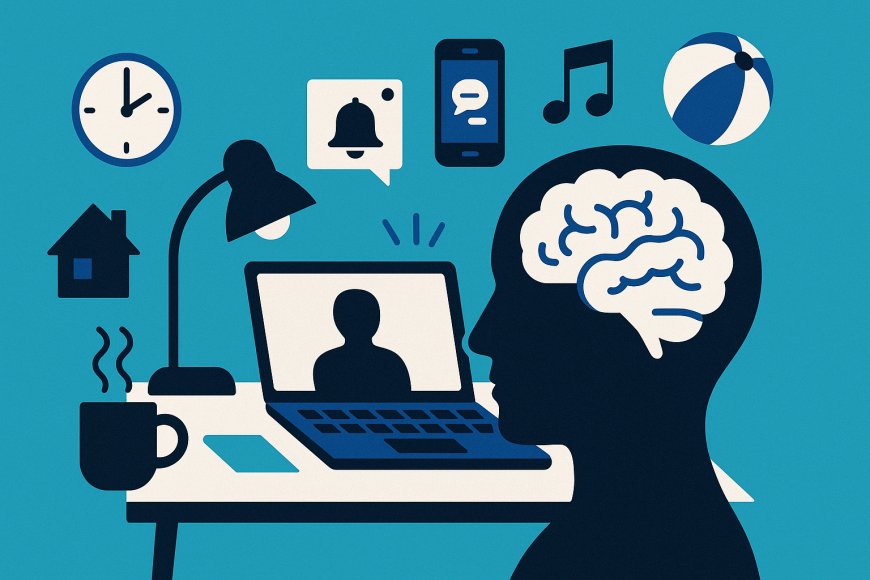
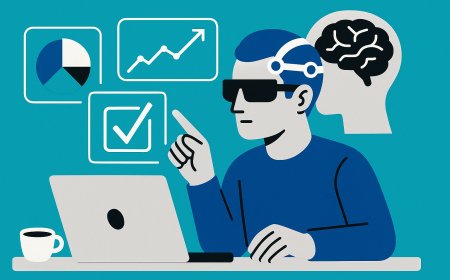
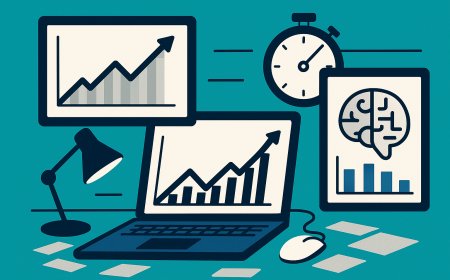
Remote work has become a predominant mode of employment across several industries, driven in part by technological advancements and global circumstances. Consider a typical remote work setting where an individual splits their screen time between video conferencing, project management dashboards, and personal emails. This environment, while offering flexibility, presents unique cognitive challenges. The architecture of human attention is now tasked with maintaining focus amidst unprecedented spatial and temporal autonomy.


In a behavioral experiment conducted by a renowned international research institute, participants were monitored while performing complex tasks remotely. The study revealed an increased cognitive load in remote settings compared to traditional office environments. Participants exhibited more frequent task-switching behavior, leading to reduced efficiency. This phenomenon is attributable to the diminished presence of physical cues that naturally guide attention in traditional workspaces, such as colleagues' activities or ambient office noise. The cognitive architecture of remote work demands a reevaluation of how productivity and attention are sustained.
Spatial and Temporal Autonomy: Redefining Focus
Spatial and temporal autonomy, while hallmark features of remote work, introduce new dimensions to attentional dynamics. In controlled trials involving remote and in-office workers, it was observed that spatial freedom often resulted in fragmented attention. Remote workers, while having the liberty to control their environment, were prone to frequent distractions. These include household interruptions or the temptation to engage with non-work-related digital content.
The temporal flexibility of remote work further complicates attentional focus. A longitudinal study assessing productivity over varying work schedules found that individuals with highly flexible hours reported increased difficulty in maintaining prolonged focus on singular tasks. The temporal architecture of remote work generates a diffuse temporal landscape, blurring boundaries between work and rest, which in turn affects cognitive pacing.
These findings suggest that spatial and temporal autonomy, though advantageous, necessitate structured interventions to optimize cognitive engagement. Strategies such as time-blocking, where specific periods are designated for focused work, and creating delineated physical work zones at home, help structure the cognitive environment, reinforcing attentional pathways conducive to productivity.
Impact of Remote Tools on Cognitive Load
The technological tools enabling remote work introduce their own set of cognitive demands. In an observational study of software developers working remotely, researchers found that the multiplicity of digital tools increased the cognitive load. Developers frequently toggled between communication platforms, code repositories, and development environments, each shift adding to mental fatigue.
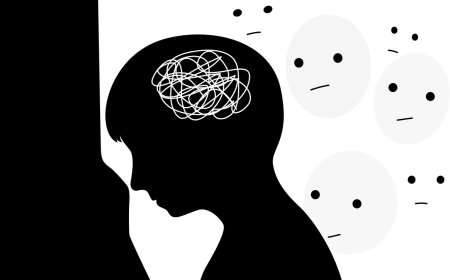
Such cognitive strain arises from the constant need to adapt to different interfaces and information types. Cognitive load theory posits that the human brain has limited bandwidth for processing information, and the constant switching between digital tools depletes cognitive resources. This is in stark contrast to traditional work settings where fewer transitions between tasks are needed.
Efforts to mitigate this cognitive load include streamlining communication channels and integrating task management software. These solutions aim to reduce the frequency of context switching, thereby conserving attentional resources and enhancing productivity.
Remote Work and the Intricacies of Motivation
Motivation plays a critical role in how effectively individuals engage with remote work tasks. In a case study involving professionals from a multinational corporation, researchers investigated the motivational underpinnings within remote work settings. They discovered that the absence of direct social interaction reduced intrinsic motivation for some individuals, impacting overall task engagement.
This phenomenon is partly explained through self-determination theory, which emphasizes the need for autonomy, competence, and relatedness. While remote work increases autonomy, it may undermine relatedness unless actively fostered through virtual team-building activities or regular check-ins. The subtle balance between these psychological needs is crucial for maintaining motivation and, by extension, productivity.
Organizations adopting remote work practices can enhance motivation by promoting virtual social interactions and emphasizing personal goal setting. Such strategies align with intrinsic motivational factors, ensuring that remote work is not only productive but also psychologically fulfilling.
As remote work becomes an integral component of the modern workplace, the cognitive architecture supporting it must evolve. Future research may focus on developing adaptive environments that align with human cognitive capacities, optimizing both productivity and well-being.
The future of work will likely blend remote and traditional models, necessitating a nuanced understanding of how cognitive demands shift across contexts. By leveraging insights from cognitive science, organizations and individuals can create work environments that harness the full potential of remote work, balancing flexibility with cognitive sustainability.
What's Your Reaction?