













































































Resilience in Cells: A Revolutionary Approach to Combatting Cellular Senescence
Recent breakthroughs challenge traditional views on cellular senescence by focusing on resilience mechanisms within cells. Innovative methodologies have unveiled ways to enhance cellular longevity, reshaping potential treatments for age-related diseases. This paradigm shift could redefine therapeutic strategies, emphasizing resilience over traditional rejuvenation efforts.

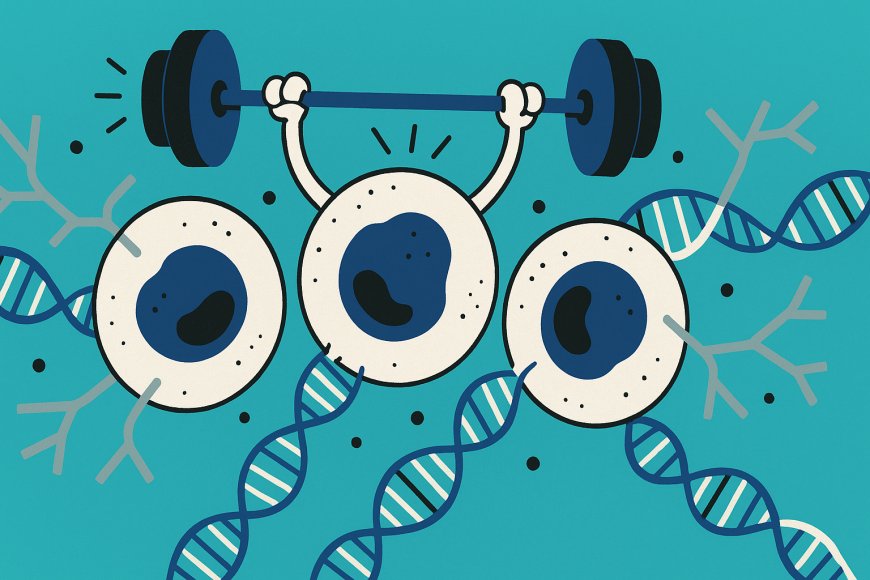
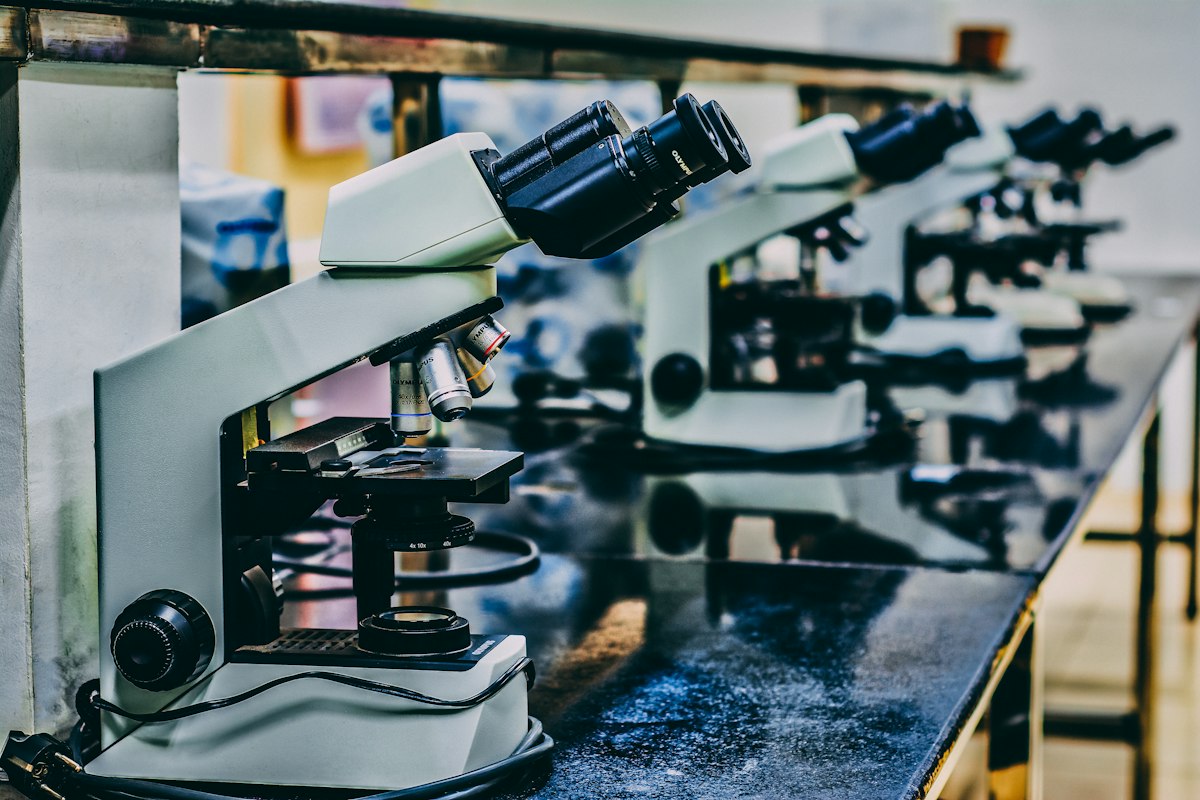
The study of cellular senescence, long considered a hallmark of aging, has experienced a profound shift in focus. Instead of viewing senescent cells solely as non-functional remnants, scientists have begun to explore the intrinsic resilience mechanisms that may hold untapped therapeutic potential. In a typical laboratory environment, researchers examine fibroblast cultures subjected to oxidative stress. Surprisingly, some cells demonstrate remarkable resistance, maintaining function despite adverse conditions. This discovery prompts a reevaluation of senescence, not merely as an endpoint but as a state with distinct biochemical pathways that can be modulated to enhance cellular longevity.


Recent advances in biomedicine suggest that by understanding and enhancing these resilience pathways, it might be possible to delay the onset of age-related diseases. Consider a biochemical experiment where cells are exposed to various stressors, such as radiation or toxins. Instead of observing uniform cell death, researchers note a subset of cells exhibiting increased survival rates. These cells not only resist damage but also activate specific genes associated with repair and regeneration. Such findings underscore the importance of resilience as an underlying factor in cellular aging, moving beyond the traditional focus on merely eliminating senescent cells.
Uncovering the Mechanisms of Cellular Resilience
Cellular resilience revolves around a cell's ability to withstand and recover from stressors. Central to this process are specific molecular pathways that, when activated, can confer enhanced survival capabilities. In an innovative study, scientists use advanced gene editing techniques to selectively activate transcription factors associated with resilience in stem cell cultures. These factors, once activated, initiate a cascade of events that bolster DNA repair mechanisms, stabilize telomeres, and enhance mitochondrial function. Such interventions not only extend the lifespan of individual cells but also improve overall tissue functionality.
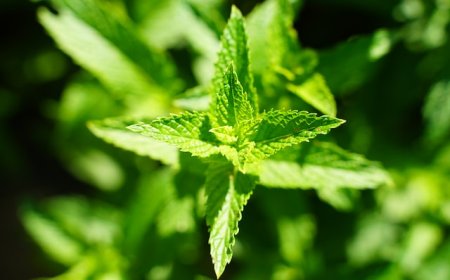
Examples abound in nature where resilience plays a critical role. In a controlled environment, exposure of plant cells to extreme temperatures reveals specific genetic adaptations that enable survival. These adaptations include alterations in protein expression and membrane fluidity, which are paralleled in human cells when similar stress conditions are applied. By drawing parallels between plant and human cellular responses, scientists hope to uncover universal resilience strategies that could be harnessed in therapeutic contexts.
Understanding resilience requires a shift in perspective, one that sees cells not as static entities but as dynamic systems capable of adaptation. The implications for health are significant, offering potential pathways for the development of novel treatments for chronic diseases. By focusing on enhancing resilience rather than merely targeting symptomatic relief, a new paradigm in medical research and treatment could emerge, emphasizing prevention and sustainable health.
Implications for Age-Related Disease and Longevity
One of the most promising applications of cellular resilience research lies in its potential to combat age-related diseases. In a hypothetical clinical study, patients with early-stage neurodegenerative conditions undergo treatment designed to enhance neuronal resilience. The therapy involves administering compounds that upregulate resilience-associated genes, resulting in improved cognitive function and delayed disease progression. These findings align with a growing body of evidence suggesting that enhancing resilience can offer protective benefits far beyond traditional therapeutic approaches.
In the context of longevity, resilience offers a novel approach to extending healthy lifespan. Consider the implications of a small molecule trial targeting cellular resilience pathways in elderly populations. Participants exhibit improved metabolic profiles, enhanced immune responses, and increased physical activity levels compared to control groups. Such results indicate that fostering resilience at the cellular level translates to tangible benefits in overall health and vitality.
The exploration of resilience also challenges prevailing narratives about aging. Instead of viewing old age as an inevitable decline, resilience science suggests that aging can be managed, and potentially reversed, by cultivating cellular tenacity. This approach shifts the focus from symptomatic treatment to proactive health management, fostering a better quality of life as individuals age.
Future Directions in Resilience Research
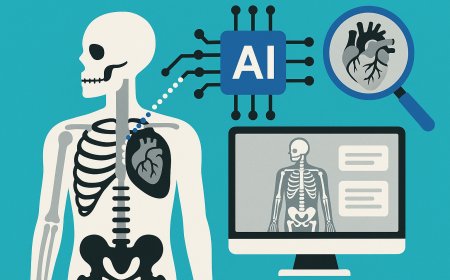
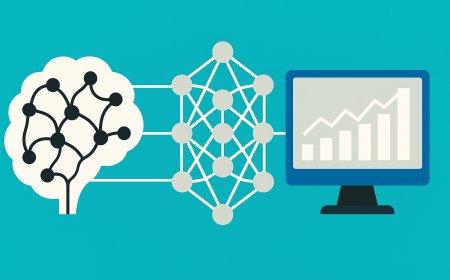
As the field of resilience research evolves, it beckons a new era of therapeutic innovation. Scientists are looking to machine learning algorithms to identify resilience biomarkers, paving the way for personalized treatments. Consider an AI-driven platform that analyzes patient data to predict resilience potential, tailoring interventions to individual genetic profiles. This level of precision promises to revolutionize preventive medicine, offering customized strategies to maintain cellular health.
Looking ahead, interdisciplinary collaboration will be crucial. Integrating insights from biology, computer science, and systems theory, researchers can construct comprehensive models of resilience that account for complex interactions within cells. Such models hold the potential to simulate various therapeutic scenarios, predicting outcomes and optimizing strategies before clinical application.
Resilience research offers a promising frontier in our quest to enhance human health. By focusing on the inherent adaptability of cells, this approach not only reshapes how we understand aging but also opens up new possibilities for treating a range of diseases. As we continue to unravel the complexities of cellular resilience, we stand on the precipice of a new era in longevity science, where living longer means living healthier.
What's Your Reaction?