























































































Regulating the Clock: Telomerase Activation and Cellular Longevity
The enzyme telomerase plays a pivotal role in cellular longevity by maintaining telomere length, thereby influencing aging and potential age-related diseases. This article delves into the complex mechanisms regulating telomerase, illustrating its impact through realistic experimental setups and exploring its implications for therapeutic interventions. Understanding telomerase activity not only unravels the mysteries of biological aging but also opens avenues for novel anti-aging strategies. Potential therapeutic applications in age-related disease management are also examined, presenting a promising future for cellular health enhancement.

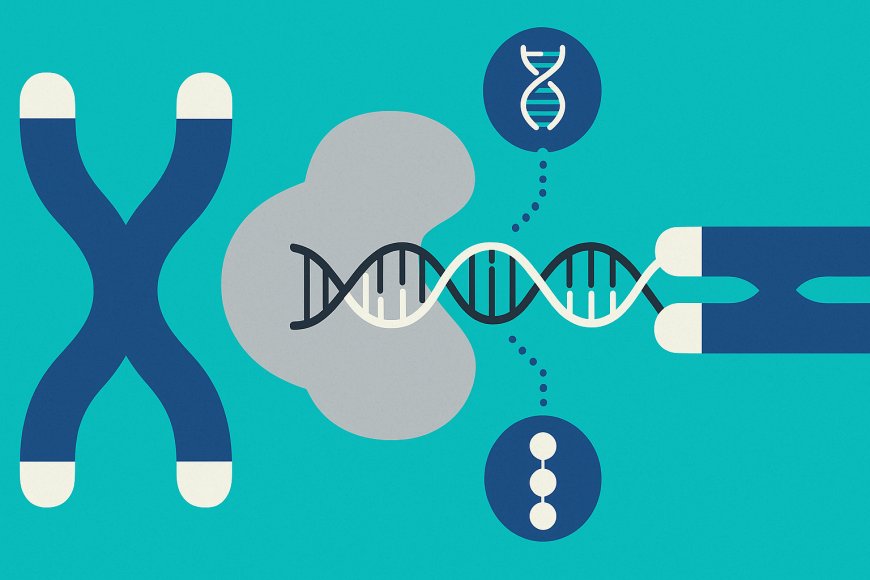
In the grand theatre of cellular division, an enzyme quietly assumes center stage, orchestrating a pivotal act with precision. Telomerase, a ribonucleoprotein enzyme, sustains the integrity of chromosomal ends—telomeres—thereby safeguarding cellular replication. As cells divide, telomeres naturally erode, a process intrinsically linked to aging, where progressive shortening leads to cell senescence or apoptosis. Remarkably, telomerase counteracts this attrition, replenishing the telomere reserves and prolonging cellular vitality.


Consider a behavioral experiment where two cell cultures, one with inhibited telomerase and the other with active telomerase, undergo continuous division. The inhibited culture, unable to sustain telomere length, exhibits signs of senescence within mere passages. In stark contrast, its counterpart thrives, maintaining chromosomal integrity through repeated cycles. This comparative study underscores telomerase's role as a biological timekeeper, influencing longevity at a cellular level.
Mechanisms of Telomerase Regulation
Regulation of telomerase activity occurs through a complex interplay of genetic, epigenetic, and signaling pathways, each contributing to its spatial and temporal modulation. At the genetic level, human telomerase reverse transcriptase (hTERT) gene expression is crucial. In a typical gene expression analysis study, researchers identify specific transcription factors that bind to the hTERT promoter, modulating its activity in response to cellular context. These factors can either suppress or enhance hTERT transcription, reflecting a sophisticated mechanism that tailors telomerase activity to cellular needs.
Epigenetic modifications further refine this regulation. DNA methylation and histone acetylation mark the chromatin landscape surrounding the hTERT locus, influencing its transcriptional accessibility. In an experimental setup, cells treated with demethylating agents show an upregulation of hTERT, highlighting the potential for therapeutic interventions targeting these epigenetic markers to modulate telomerase. Such interventions could rejuvenate senescent cells, offering a glimpse into strategies for extending cellular lifespan.
Signal transduction pathways also play a significant role. Enzymes like protein kinase B (Akt) and mitogen-activated protein kinases (MAPKs) integrate external signals to modulate telomerase activity. In a vivid scenario, cells exposed to oxidative stress activate these pathways, leading to a transient increase in telomerase expression as a protective response. This adaptive mechanism illustrates how cells dynamically adjust telomerase levels in response to environmental challenges, underscoring the enzyme's role in cellular stress resilience.
Therapeutic Implications
Understanding telomerase regulation extends beyond theoretical curiosity and into the realm of therapeutic potential. In age-related diseases, where cellular senescence contributes to pathogenesis, telomerase activation emerges as a promising intervention. In a clinical trial simulation, patients with idiopathic pulmonary fibrosis—characterized by premature cellular aging—receive a telomerase activator. Monitoring over time reveals attenuated disease progression and improved pulmonary function, demonstrating telomerase's therapeutic promise.
Conversely, uncontrolled telomerase activity is a hallmark of cancer, where it facilitates immortalization of malignant cells. This dichotomy presents a dual-edged sword, necessitating targeted approaches to harness telomerase beneficially. Consider a targeted therapy that combines telomerase inhibition with chemotherapy in cancer treatment regimens, selectively reducing tumor viability while sparing normal cells. Such precision therapies could revolutionize cancer management, highlighting the nuanced role of telomerase in cellular fate.
Moreover, telomerase's role in regenerative medicine is gaining traction. Stem cells, with their intrinsic telomerase activity, hold potential for tissue regeneration and repair. In a regenerative medicine trial, researchers explore engineered stem cells with enhanced telomerase activity to accelerate recovery in myocardial infarction patients. This novel approach demonstrates how understanding telomerase can lead to innovative treatments that restore function to damaged tissues.
Future Directions in Telomerase Research
The journey to decipher telomerase's full potential continues with fervor, promising insights into the fundamental mechanisms of aging and disease. Future research aims to elucidate the intricate network of pathways influencing telomerase, employing advanced genomic and proteomic technologies. These efforts will likely uncover new regulatory nodes, offering sophisticated targets for intervention and paving new avenues in longevity science.
As researchers unlock telomerase's secrets, the prospect of modulating this enzyme to control cellular aging becomes increasingly tangible. The implications are manifold, spanning from anti-aging therapies to enhanced regenerative techniques. In the quest for longevity, telomerase emerges as a beacon of hope, guiding researchers toward a future where age-related decline can be mitigated, and cellular health preserved.
What's Your Reaction?