









































































Rethinking Human Skills: An Epistemological Inquiry into Skill Acquisition
This article explores the epistemological underpinnings of human skill acquisition, challenging conventional assumptions and examining innovative methodologies. Through hypothetical scenarios and experimental setups, the complexities of learning processes are dissected, revealing the intricate balance between innate potential and environmental influences. The discussion encompasses cognitive science, education, and practical applications, questioning established paradigms and suggesting new avenues for research. Future advancements in understanding skill acquisition could revolutionize educational practices and enhance personal development, underscoring the importance of methodological innovation in the evolving landscape of human skills.

In a typical classroom setting, students engage in various activities designed to enhance their understanding of complex subjects. Yet, the process of skill acquisition remains a subject shrouded in both mystery and misunderstanding. Unlike simple recollection of facts, skill acquisition involves a sophisticated interplay between cognitive processes and environmental influences. This complexity poses a challenge to educators and researchers alike, compelling a re-evaluation of what it means to learn a skill.


Consider a behavioral experiment where participants are tasked with mastering a musical instrument. The convergence of memory, motor skills, and auditory processing provides a fertile ground for examining the intricacies of skill acquisition. Traditional models often emphasize repetition and practice as core components. However, recent insights from cognitive science suggest a nuanced picture imbued with elements of creativity, problem-solving, and emotional engagement.
Understanding how these diverse factors coalesce to shape the acquisition of skills necessitates a revised epistemological framework. This involves dissecting the tacit assumptions embedded within educational methodologies, often rooted in reductionist paradigms. It becomes imperative to recognize the limitations inherent in standardized pedagogical approaches and to seek alternative methodologies that acknowledge the complexity of human cognition.
Challenging Conventional Assumptions
The prevailing view of skill acquisition is predicated upon the notion that learning is a linear process. Skills are frequently perceived as discrete units to be acquired sequentially, akin to assembling pieces of a puzzle. This perspective is deeply entrenched in educational systems that prioritize rote learning and standardized testing. Yet, this linear model is increasingly at odds with emerging research, which illustrates the dynamic and interconnected nature of cognitive development.
In an illuminating case study, a cohort of students is introduced to a novel language through immersive techniques rather than conventional classroom instruction. The results reveal unexpected patterns of learning, characterized by non-linear progressions and sudden leaps in comprehension. Such findings challenge the reductionist view, advocating for a more holistic understanding of language acquisition that embraces cognitive flexibility and adaptability.
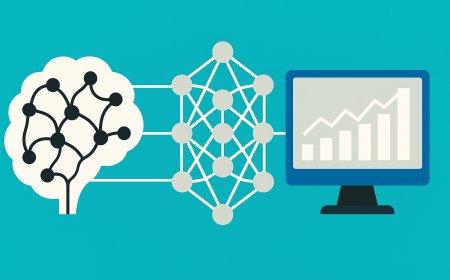
This paradigm shift raises critical questions about the efficacy of traditional educational practices. By scrutinizing the implicit biases that underpin current methodologies, researchers are encouraged to explore innovative approaches that harness the full potential of cognitive diversity. This could include the integration of interdisciplinary techniques, drawing from fields such as neuroscience and artificial intelligence, to inform the design of learning environments that nurture creative and adaptive thinking.
Innovative Methodologies and Future Directions
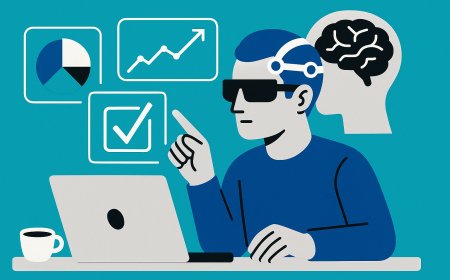
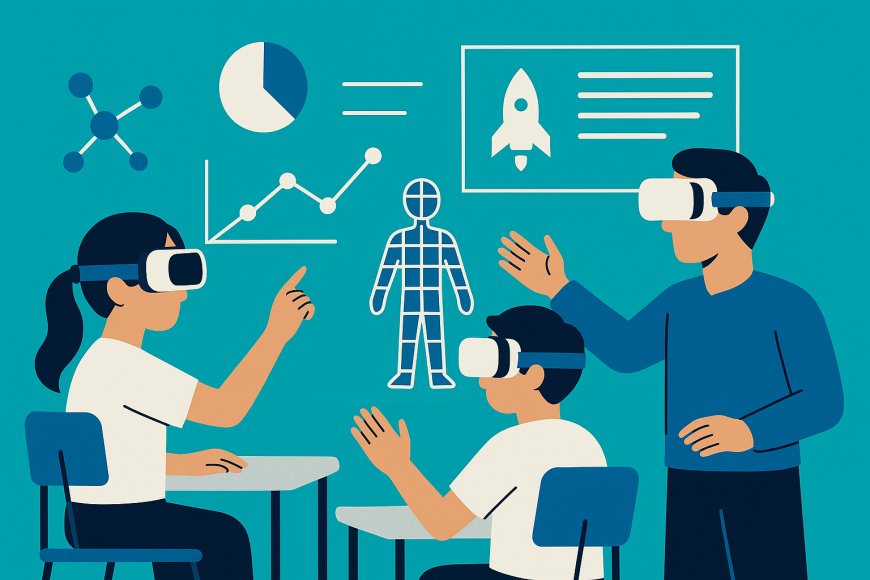
Amid the quest to redefine skill acquisition lies the promise of innovative methodologies that transcend conventional boundaries. Experimental setups that incorporate virtual reality and augmented reality offer unprecedented opportunities to simulate real-world scenarios, providing learners with experiential insights that traditional methods cannot replicate. These technologies facilitate the exploration of complex problem-solving in controlled environments, allowing for the observation of how individuals navigate multifaceted challenges.
In a hypothetical scenario, imagine a group of engineering students using virtual reality to design and test structures in a simulated environment. Through this immersive experience, students engage in iterative problem-solving, receiving immediate feedback on their decisions. This dynamic interaction fosters a deeper understanding of engineering principles, highlighting the potential of technology to revolutionize educational practices.
As researchers continue to question established assumptions, the future of skill acquisition research hinges on our ability to embrace methodological pluralism. By incorporating diverse perspectives and methods, the scientific community can uncover the latent potential inherent in human learning processes. This holistic approach not only enhances our understanding of skill acquisition but also paves the way for breakthroughs in education and personal development.
Embracing the complexity of human skills requires a commitment to questioning the status quo and seeking novel solutions. As we venture into this uncharted territory, the insights gained hold the potential to transform how we think about learning and growth. The journey toward redefining skill acquisition is an intellectual pursuit that promises to enrich both individuals and society at large.
What's Your Reaction?