





















































































The Connection Between Food Delivery Apps and Healthy Habits in Saudi Arabia
An overview of a 2022 study on food delivery app usage in Saudi Arabia, its links to healthy food consumption, and physical activity levels.
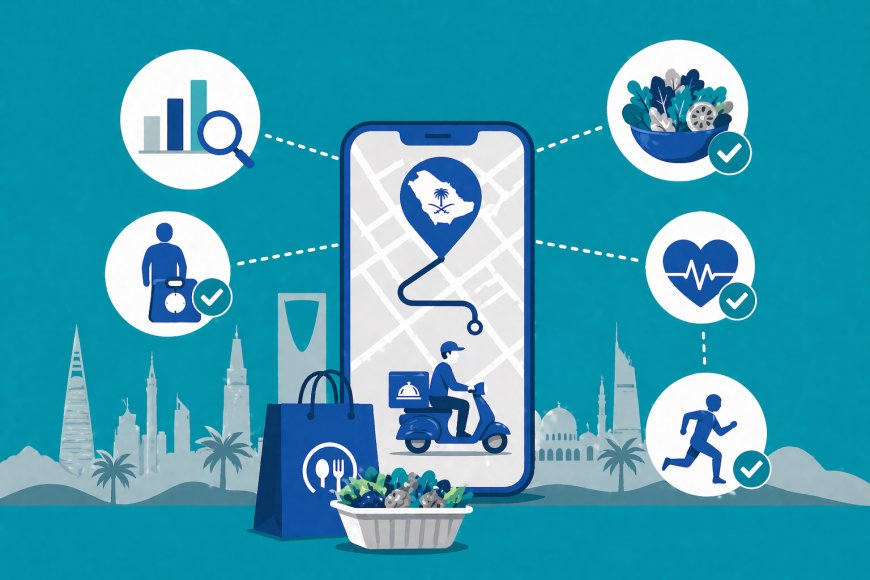
In 2022, the Sharik Association for Research and Studies, in collaboration with IDM, conducted a study examining the use of food delivery applications and their relationship to health behaviors within Saudi society. The analysis was based on data from the Sharik Health and Food Survey, which included approximately 5,840 participants from all thirteen administrative regions of the Kingdom.


The study compared two groups: individuals who never use food delivery applications and those who use them once a week or more. It also explored how usage relates to key health behaviors, including healthy eating, physical activity, and obesity. Healthy eating was defined as consuming at least one serving of vegetables and one serving of fruit daily, while physical activity was defined as engaging in at least 150 minutes of exercise per week, in line with World Health Organization recommendations. Obesity was assessed using body mass index classifications.
The findings showed that 43.3 percent of the study sample used food delivery applications at least once per week. The data also indicated that the majority of users were women, accounting for 49 percent of this group.
When examining the relationship between application use and health behaviors, the results revealed a clear pattern. Among frequent users of food delivery services, only 5 percent met the criteria for healthy food consumption. Similarly, just 16 percent achieved the minimum recommended level of physical activity.
Despite these differences in lifestyle behaviors, the study found no direct association between the use of food delivery applications and obesity when comparing frequent users with those who do not use such services. Based on these findings, the research team expressed readiness to collaborate with food delivery platforms to develop targeted recommendations. These efforts aim to encourage healthier eating habits, increase physical activity, and ultimately contribute to reducing obesity rates in Saudi society, while strengthening the role of social responsibility within the food delivery sector.
In addition, the findings suggest that food delivery applications are not merely digital tools for convenience, but part of a broader lifestyle pattern that may shape everyday health choices. Frequent use of these platforms appears to be associated with lower engagement in healthy eating and physical activity, which raises important questions about how convenience-based consumption may gradually influence routine behavior. This does not mean that delivery applications are inherently harmful, but it does indicate that their growing role in daily life should be examined not only from a commercial perspective, but also from a public health standpoint.
These results also create an opportunity for constructive intervention rather than simple criticism. Food delivery companies can become partners in promoting healthier lifestyles by highlighting nutritious meal options, displaying calorie and nutritional information more clearly, and incorporating behavioral nudges that encourage healthier choices. They could also collaborate with health authorities and research institutions to design awareness campaigns, reward healthy ordering habits, and support broader efforts aimed at improving diet quality and physical activity in Saudi society.
What's Your Reaction?