




















































































The Symbiotic Relationship Between Urban Ecosystems and Sustainable Development
This article investigates the intricate relationship between urban ecosystems and sustainable development, emphasizing the importance of biodiversity, green infrastructure, and ecological balance. It presents scenarios illustrating the role of urban flora and fauna, and highlights the need for innovative approaches to integrate natural systems with urban planning. By addressing the challenges and proposing potential solutions for urban sustainability, it provides a forward-looking perspective on the future of cities and environmental stewardship.

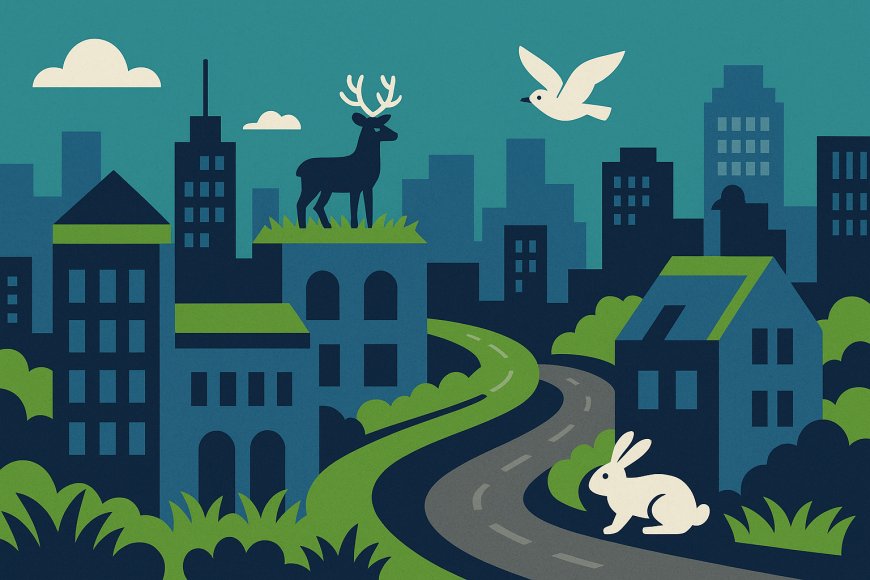
In the heart of a bustling metropolis, a group of researchers monitors the interactions between local flora and urban wildlife. In one study, they observe how green rooftops populated with native plants provide habitats for pollinators and reduce urban heat. The scientists note a significant decrease in energy consumption in nearby buildings. Such observations illuminate the potential of integrating natural systems into urban planning, presenting a compelling case for urban ecosystems as a cornerstone of sustainable development.


Urban ecosystems, encompassing parks, green rooftops, and waterways, are vital components of sustainability. They offer more than aesthetic appeal; they enhance biodiversity, mitigate pollution, and regulate climate. A city in Northern Europe has successfully integrated its waterways into the urban landscape, resulting in improved water quality and increased biodiversity, demonstrating the tangible benefits of thoughtful urban design. These ecosystems, when carefully managed, break the divide between nature and human habitation, fostering a harmonious coexistence.
Redefining Urban Biodiversity
Biodiversity within cities is often overlooked or undervalued, yet it plays a crucial role in ecosystem services. A research initiative in a coastal city employed a network of volunteers to monitor bird populations across different urban zones. Their data revealed that areas with diverse plant species supported higher bird diversity, which correlated with improved human well-being indicators such as reduced stress levels. This suggests that urban biodiversity is not merely an ecological benefit but also a contributor to public health.
In contrast, urban spaces lacking biodiversity tend to face more significant environmental challenges. For example, monoculture planting in city parks can lead to pest outbreaks, requiring chemical interventions that disrupt local ecosystems. This highlights the need for diverse plantings that can naturally regulate pests and diseases. Urban planners must prioritize biodiversity to create self-sustaining environments that require minimal human intervention.
Innovative approaches, such as creating wildlife corridors that allow species to move between fragmented habitats, have shown promise in restoring biodiversity. Such corridors, integrated into urban designs, enable connectivity and resilience, supporting species adaptation to urban environments. These strategies emphasize the need to view urban spaces as dynamic systems capable of supporting a wide range of life forms.
Integrating Green Infrastructure
Green infrastructure, which includes green roofs, permeable pavements, and urban forests, is crucial for enhancing urban resilience. An urban planning project in a major city integrated green infrastructure into its flood management strategy. By increasing the city's capacity to absorb stormwater, the initiative reduced flood risks and improved groundwater recharge. These measures not only mitigate environmental impacts but also provide economic benefits by reducing infrastructure costs associated with storm damage repairs.
The implementation of green roofs in urban centers serves a dual purpose. Besides providing insulation, they mitigate the urban heat island effect by lowering ambient temperatures. In a tropical city, experimental setups showed that buildings with green roofs consumed 20% less energy for cooling compared to those without, demonstrating the economic and environmental advantages of such interventions.
Despite the clear benefits, integrating green infrastructure faces challenges, such as limited space and high initial costs. Yet, creative solutions, like vertical gardens and community-managed green spaces, show that with innovative thinking, cities can overcome these barriers. Policies encouraging public-private partnerships could further facilitate the widespread adoption of green infrastructure, fostering a collective approach to urban sustainability.
Restoring Ecological Balance
Restoring ecological balance in urban areas involves more than increasing greenery. It requires a systemic approach that considers human and ecological needs. A city in Asia implemented a comprehensive plan to restore its urban river, previously neglected and polluted. The plan included community engagement, pollution control measures, and habitat restoration. As a result, fish populations returned, and the river became a recreational hub, illustrating the multifaceted benefits of ecological restoration projects.
Maintaining ecological balance also involves addressing climate change impacts. Urban areas are major contributors to carbon emissions, and thus, city-wide carbon reduction initiatives are essential. Transitioning to renewable energy sources and improving public transportation systems are critical steps in this direction. Successful case studies show that cities adopting low-carbon strategies not only reduce their environmental footprint but also enhance their citizens' quality of life.
The pursuit of ecological balance demands collaboration across sectors, involving policymakers, urban planners, and the community. Only through concerted efforts can cities evolve into sustainable habitats that support both human and ecological health, forging pathways to a resilient future.
As the world faces unprecedented environmental challenges, the integration of urban ecosystems into sustainable development strategies becomes imperative. The path forward lies in innovative, inclusive, and scientifically informed urban planning. By embracing the potential of urban ecosystems, cities can transform into thriving, sustainable environments that nurture both people and planet. The future of urban sustainability hinges on our ability to blend ecological wisdom with human ingenuity, crafting resilient urban landscapes for generations to come.
What's Your Reaction?