





































































Bias Correction in AI-Driven Workforce Optimization: Challenging Assumptions
AI-driven workforce optimization can be undermined by inherent biases in algorithms. This article examines methods for bias correction, emphasizing the need for rigorous validation to ensure fair and effective decision-making in labor markets.

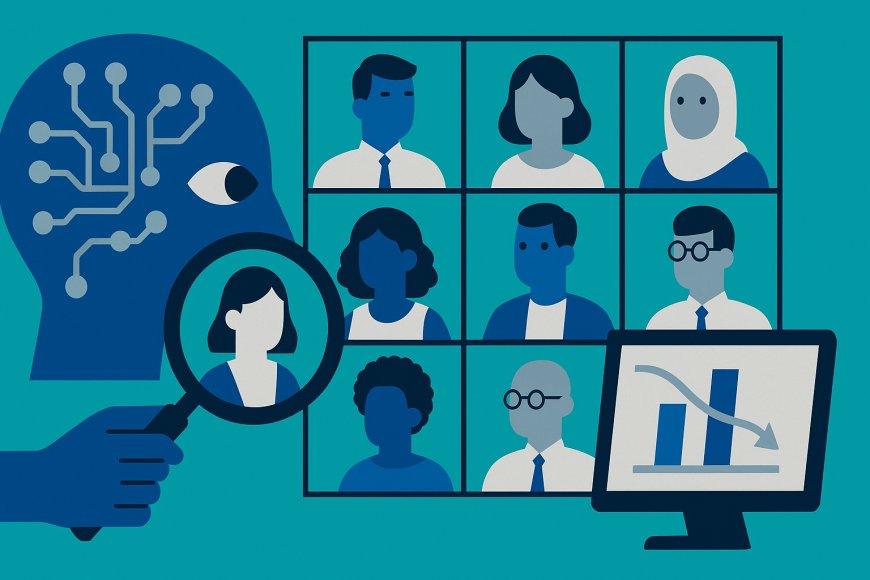
In a world increasingly dominated by artificial intelligence, the promise of AI-driven workforce optimization offers a tantalizing vision of efficiency and productivity. Yet, beneath the surface lies a complex web of biases that can skew decisions and reinforce existing inequalities. Consider an AI system deployed by a multinational corporation to streamline recruitment processes. In its quest for optimal candidates, the system sifts through vast pools of data, applying algorithms purportedly designed to eliminate human bias. However, the data itself is a reflection of historical imbalances and societal prejudices, inherently biased despite the sophistication of the technology.


The challenge becomes not just one of identifying bias, but of correcting it. Bias correction in AI systems is a methodological conundrum, requiring innovative approaches that delve deeply into the data's structure and origins. One approach involves the reengineering of training datasets to balance representation across demographic groups. By amplifying the presence of underrepresented categories, developers aim to neutralize inherent biases. But this approach, while theoretically sound, necessitates rigorous validation to ensure that the correction process does not inadvertently introduce new biases, or dilute the predictive power of the algorithm.
Evaluating Algorithmic Validity
Algorithmic validity is at the heart of effective bias correction. Without a robust framework for assessing validity, bias correction efforts risk becoming misguided. In a typical case study scenario, an AI firm gathers a consortium of experts in statistics, ethics, and computer science to devise a validity assessment model. This model emphasizes cross-validation techniques, where algorithms are repeatedly tested against a variety of datasets to evaluate performance consistency.
Moreover, the consortium might utilize adversarial testing, where intentionally biased data is introduced to probe the algorithm’s responses. By observing how the system reacts to these provocations, researchers can fine-tune bias correction protocols. The ultimate goal is to ensure that algorithms not only perform optimally in terms of efficiency but also uphold fairness and equity across diverse workforce segments.
Consider a behavioral experiment within a major organization's HR department, employing an AI-driven system to reduce turnover rates. The system predicts employee resignations based on patterns identified in historical data. If unchecked, biases embedded in the dataset could lead to disproportionate targeting of certain employee groups. Validity assessments ensure that such outcomes are preemptively addressed through continuous monitoring and iterative algorithm adjustments.
Impact of Bias on Workforce Dynamics
The implications of biased AI decisions extend beyond individual organizations, potentially altering entire labor markets. In an observational study across several industries, researchers observe that AI-driven decision-making has led to skewed hiring practices. Certain demographic groups may find themselves disproportionately favored or disadvantaged, affecting workforce diversity and cohesion.
For example, in the tech industry, where AI systems heavily influence recruitment, a subtle bias favoring candidates from prestigious universities could inadvertently marginalize talented individuals from less-renowned institutions. This scenario underscores the pressing need for bias correction methodologies that are both scientifically rigorous and ethically sound.
Furthermore, the impact of bias is not static; it evolves with societal changes. As new cultural norms and values emerge, AI systems must adapt to these shifts. This necessitates an agile methodology for bias correction, one that incorporates ongoing feedback loops and stakeholder engagement to maintain alignment with current values. Such a dynamic approach ensures that AI systems remain valid tools for workforce optimization, rather than perpetuators of outdated prejudices.
Methodological Innovations for Bias Correction
Innovations in bias correction methodologies are vital to addressing the challenges posed by AI-driven workforce optimization. One pioneering approach involves the integration of counterfactual thinking within algorithm design. By considering alternative scenarios and outcomes, algorithms can better account for potential biases that might arise from static data models.
In practical terms, this could involve simulating the impact of different socioeconomic backgrounds on career progression within AI models. Through this lens, biases linked to economic status, education, and geographical location can be identified and mitigated. Such simulations provide insights into how diverse variables interact within the complex ecosystem of workforce dynamics.
Moreover, collaborative frameworks involving academia, industry, and policy makers play a crucial role. By fostering an interdisciplinary dialogue, these collaborations ensure that bias correction methodologies are not only scientifically robust but also societally relevant. They facilitate the exchange of best practices and the development of standardized protocols for bias assessment and correction across various sectors.
Looking forward, the future of AI-driven workforce optimization hinges on its ability to transcend biases and uphold validity. As methodologies evolve, so too must our understanding of fairness and equity in the workplace. The journey ahead demands a synthesis of technical innovation and ethical considerations, paving the way for a more inclusive and balanced approach to labor market dynamics.
The potential for AI to revolutionize workforce management is undeniable. But this potential can only be realized through an unwavering commitment to bias correction and validity. As technology continues to shape the future of work, the imperative to ensure fairness remains a guiding principle, challenging assumptions and driving progress in equal measure.
What's Your Reaction?