


















































































The Neurobiological Foundations of Happiness: A Scientific Inquiry into Well-being
Recent advances in neurobiology have unveiled the neural circuits and biochemical pathways that underpin human happiness. By exploring the roles of neurotransmitters such as dopamine and serotonin, this study offers profound insights into the scientific underpinnings of well-being. Utilizing brain imaging techniques and behavioral experiments, researchers have mapped the intricate web of interactions that facilitate emotional states of happiness. These findings not only challenge traditional views of happiness as a static state but also highlight its dynamic nature, influenced by environmental factors, social interactions, and genetic predispositions. As a result, this burgeoning field of study is poised to revolutionize therapeutic approaches to mental health, with potential applications in personalized medicine and lifestyle interventions. Future investigations may further elucidate the complex interfaces between individual neurobiological diversity and experiential factors, paving the way for a deeper understanding of human happiness.

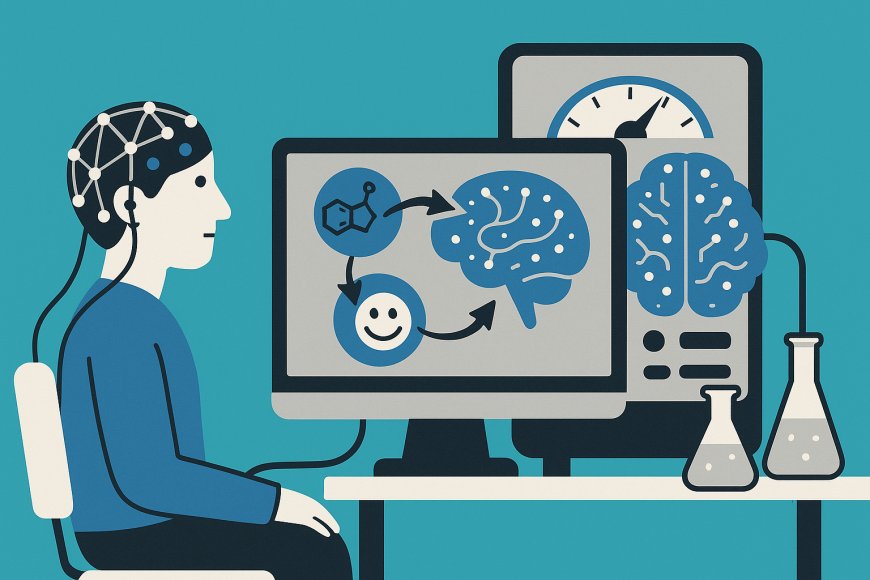
In contemporary neuroscience, the investigation of happiness extends beyond mere philosophical discourse into the intricate realms of neurotransmitters and neural circuits. Recent studies have illuminated the biochemical pathways that substantiate the emotional states associated with well-being. These investigations have focused on neurotransmitters such as dopamine and serotonin, which play pivotal roles in regulating mood and emotional fulfillment.


Consider a clinical trial employing functional magnetic resonance imaging (fMRI) to monitor brain activity in subjects exposed to stimuli typically associated with happiness. The study reveals heightened activity in the prefrontal cortex, the region implicated in decision-making and personality expression. Concurrently, the release of dopamine in the striatum, a critical component of the brain's reward system, corroborates the traditional view linking dopamine to pleasure and reward.
Dopaminergic and Serotonergic Pathways: Engines of Well-being
The dopaminergic system is instrumental in facilitating feelings of euphoria and motivation. Neurobiologists have observed that dopamine modulates neural circuits that underpin reward anticipation and achievement. In a controlled laboratory experiment, researchers administered a dopamine agonist to participants, observing a notable increase in self-reported happiness levels. Such findings underscore the neurotransmitter’s role in enhancing motivational states, thus contributing to an overarching sense of well-being.
Conversely, serotonin, another neurotransmitter, is primarily associated with mood stabilization and emotional resilience. In a study examining the effects of selective serotonin reuptake inhibitors (SSRIs) on mood, subjects displayed improved emotional regulation, reinforcing serotonin's role in counteracting anxiety and depression. Furthermore, the serotonergic pathways often interact synergistically with dopaminergic circuits, creating a complex network that governs emotional states.
Understanding these biochemical mechanisms has significant implications for therapeutic strategies. By targeting these pathways, clinicians can devise more effective treatments for mood disorders, tailoring interventions to the neurobiological profiles of individual patients. This approach not only personalizes medicine but also optimizes therapeutic efficacy, moving beyond the conventional one-size-fits-all model.
The Dynamic Nature of Happiness
Although traditionally perceived as a static state, happiness is increasingly recognized as a dynamic process influenced by a multitude of factors. Genetic predispositions interact with environmental influences to shape individual experiences of well-being. In a longitudinal study, twins with identical genetic backgrounds exhibited divergent happiness levels, attributed to their differing life circumstances, underscoring the role of environmental factors.
Social interactions further modulate neurochemical responses. In a behavioral experiment, participants engaging in supportive social activities reported heightened happiness levels, an effect mirrored by increased oxytocin release. This "love hormone" fosters social bonding, indicating its critical role in social well-being and emotional support networks.
Moreover, lifestyle choices, including exercise and diet, influence the biochemistry of happiness. Aerobic activities stimulate endorphin production, which interacts with dopamine pathways to enhance mood. Diet, particularly omega-3 fatty acid intake, has been correlated with improved serotonin transmission, further exemplifying the interplay between lifestyle and neurobiology.
Implications for Mental Health and Beyond
The evolving understanding of happiness as a neurobiological phenomenon offers promising avenues for mental health interventions. Personalized medicine, leveraging insights into individual neurochemical profiles, could dramatically enhance mental health care. Tailoring treatments to align with specific neurobiological pathways may provide more efficient outcomes, reducing trial-and-error in medication prescribing.
This paradigm shift extends beyond clinical settings. Public health initiatives could incorporate these insights, promoting lifestyle choices that naturally enhance well-being. Educational programs emphasizing the importance of social connections, physical activity, and balanced nutrition could foster widespread improvements in societal happiness levels.
The burgeoning field of neurobiological research into happiness presents both challenges and opportunities. Researchers are now tasked with unraveling the complex interplay between genetic, environmental, and neurochemical factors that constitute well-being. As the scientific understanding deepens, the potential for innovative therapeutic approaches and societal benefits expands.
The quest for understanding happiness through neurobiology is far from complete, yet it holds vast potential. Future investigations will likely refine our comprehension of how individual experiences shape and are shaped by neurochemical pathways. As the dialogue between neuroscience and well-being continues, we edge closer to grasping the profound intricacies of human happiness.
What's Your Reaction?