





















































































The Intricacies of Procrastination in Academic Research: A Methodological Examination
This article methodically examines the phenomenon of procrastination within academic research. By exploring its psychological underpinnings, the study highlights the impact on productivity and suggests strategic interventions. A case study focusing on a controlled academic environment provides empirical insights, offering a deeper understanding of how procrastination affects research outcomes. The implications for improving productivity through intervention strategies are discussed.


In a controlled environment of academic research, a peculiar phenomenon persists. Procrastination, often perceived as a trivial flaw, holds significant sway over the productivity of scholars. It is not merely about delaying tasks; it intricately intertwines with the cognitive processes and emotional states of individuals. Numerous studies elucidate its impact on research efficiency, showcasing how this habit transcends simple time management issues to encompass deeper psychological and methodological challenges.


Consider a scenario in a university's research department where scholars are observed under a longitudinal study. Their task is to complete a series of research papers over a semester. Despite the initial enthusiasm and availability of resources, a notable delay in submission timelines emerges. This phenomenon, studied meticulously, reveals that procrastination is not just a choice but a complex interplay of motivation, perceived task difficulty, and emotional regulation. This is substantiated by tracking task initiation times and comparing them against deadlines. The data uncovers a pattern: as deadlines approach, the frequency of task engagement spikes, pointing to a reliance on pressure-induced productivity.
Cognitive and Emotional Underpinnings
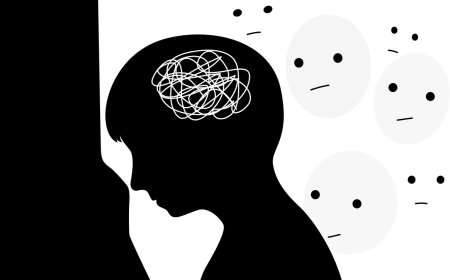
The psychological dynamics of procrastination are deeply rooted in cognitive and emotional frameworks. Cognitive psychology suggests that individuals with a procrastination tendency often exhibit lower confidence in their abilities, leading to an avoidance of task initiation. Moreover, emotional regulation plays a significant role; the task's perceived unpleasantness or difficulty triggers emotional responses that drive delay. For instance, in our university study, researchers with high levels of task anxiety were more likely to postpone their work, opting for short-term mood repair through unrelated activities rather than confronting the research tasks at hand.
From a neuroscientific perspective, procrastination may involve a conflict between the limbic system, which seeks immediate gratification, and the prefrontal cortex, responsible for future planning and impulse control. This internal conflict can manifest in an individual's choice to delay tasks that do not offer immediate rewards, despite long-term negative consequences. In the observed case study, scholars often postponed their tasks until the last possible moment, a behavior echoed across various cognitive and behavioral research methodologies.
Additionally, the presence of decision fatigue—a state where the ability to make decisions deteriorates after prolonged decision-making efforts—can exacerbate procrastination. Researchers often face numerous choices in their daily activities, and this constant decision-making can deplete mental resources, leading them to defer tasks as a coping mechanism. This fatigue was evident when participants in the study showed a tendency to procrastinate more at the end of the day, highlighting the impact of mental exhaustion on productivity.
Methodological Insights and Interventions
The methodological implications of understanding procrastination are profound. By dissecting the contributing factors, it becomes possible to devise strategic interventions aimed at mitigating this behavior. In a typical intervention study, researchers might be divided into two groups: one receiving cognitive-behavioral interventions focused on task management skills, and the other functioning as a control group.
In this setup, those in the intervention group are trained to break down tasks into smaller, manageable components, thereby reducing perceived difficulty and enhancing task engagement. Time management strategies such as the Pomodoro Technique are introduced to help researchers maintain focus and manage distractions. The effect of these interventions is quantified through a combination of self-reported productivity assessments and actual submission timelines, offering empirical evidence on the efficacy of structured approaches in combating procrastination.
The findings suggest that while cognitive-behavioral strategies significantly improve task initiation and reduce delays, their effectiveness is often contingent upon individual differences in motivation and self-discipline. For instance, participants exhibiting high intrinsic motivation display more consistent improvements compared to those motivated extrinsically. This highlights the necessity for personalized intervention strategies that consider the underlying psychological and motivational factors of each individual.
Implications for Academic Productivity
The broader implications of these findings extend beyond individual productivity. In academic research, where deadlines and pressures are a constant, understanding and addressing procrastination can lead to significant improvements in both quantity and quality of output. Institutions may benefit from implementing structured support systems, such as regular workshops on time management and emotional resilience, to aid researchers in overcoming procrastination-related challenges.
Moreover, fostering an academic culture that emphasizes a balance between productivity and well-being can mitigate the adverse effects of procrastination. Encouraging open discussions about productivity challenges and promoting peer support networks can create a more conducive environment for research. In the long run, such initiatives can enhance the overall research output of academic institutions, paving the way for more innovative and efficient scientific contributions.
As we continue to explore the intricacies of procrastination in academic settings, the potential for positive change remains vast. By embracing a comprehensive understanding of the psychological and methodological facets of procrastination, researchers and institutions alike can craft tailored strategies to foster an environment where productivity and creativity flourish.
What's Your Reaction?