















































































Neural Adaptation as a Sales Strategy: Insights from Cognitive Science
Neural adaptation can profoundly impact sales strategies. By understanding how repetitive stimuli alter consumer perception, marketers can tailor approaches to optimize engagement. This article explores the cognitive mechanisms behind neural adaptation and its implications for sales.

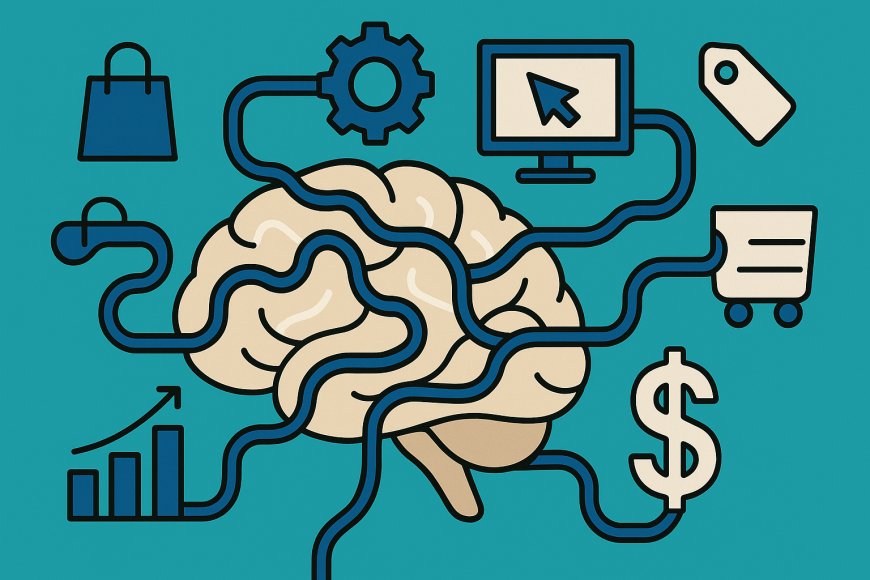
Imagine a consumer entering a retail store. Initially, they are bombarded with a plethora of stimuli: flashing lights, color patterns, and brand logos. However, within moments, their brain begins to filter out these repetitive stimuli. This phenomenon, known as neural adaptation, significantly shapes consumer behavior and offers a rich area of exploration for improving sales strategies.


Neural adaptation occurs when sensory neurons decrease their response to repeated or constant stimuli, allowing the brain to focus on novel information. This ability is crucial for efficient perception and decision-making. In the context of sales, understanding this cognitive mechanism can allow retailers to craft environments and experiences that maintain consumer engagement without overwhelming them.
Mechanisms of Neural Adaptation in Consumer Behavior
Neural adaptation is a universal feature of sensory processing. It enables organisms to prioritize changes in their environment rather than constant, unchanging stimuli. In a sales context, this means that once a consumer has been exposed to a particular sensory input, such as a flashing discount sign, their attention to this stimulus diminishes over time. A behavioral experiment conducted in a controlled retail environment could involve participants exposed to repeated advertising messages. Initially, the messages garner significant attention and possibly increase purchase intent. However, with repeated exposure over a short period, the neural response wanes, reducing the advertising's efficacy.
This phenomenon implies that marketing messages should be strategically varied to maintain consumer engagement. For instance, altering the design of visual advertisements or changing the auditory cues within a store can help counteract the effects of neural adaptation, keeping the consumer's attention active. In another typical observational study, researchers might assess the efficacy of alternating scent marketing in a perfume store. By rotating different scents at regular intervals, the store can maintain consumer interest and engagement, leveraging neural adaptation's principles to their advantage.
Moreover, neural adaptation can be strategically harnessed to create a sense of novelty in product offerings. Retailers might consider periodically reordering product displays or introducing limited-time promotions to rekindle consumer interest. Through this, businesses can exploit the cognitive bias toward novel stimuli, ensuring that their marketing efforts remain fresh and compelling.
The Role of Personalization in Mitigating Neural Adaptation
Personalization stands as a powerful tool to combat the diminishing returns of repetitive stimuli. By tailoring marketing messages and consumer interactions based on past behavior, businesses can create a dynamic environment that feels consistently new and engaging. Consider a retail app that adjusts its interface and product recommendations based on individual user preferences and browsing history. Such an adaptive system could help bypass neural adaptation by providing a personalized experience that evolves over time.
In a hypothetical scenario, a business might employ machine learning algorithms to analyze customer purchase histories, enabling them to predict future interests and offer tailored promotions. This personalized approach ensures that consumers continue to perceive the retailer's offerings as novel and relevant, thus maintaining their interest and engagement. By dynamically adjusting the marketing stimuli, businesses can effectively reset the consumer's adaptation cycle, keeping their attention sharp and focused.
Furthermore, personalization can enhance the perceived value of a product. When consumers feel that their specific needs and preferences are being addressed, their engagement and loyalty increase, countering the effects of neural adaptation. Customized loyalty programs and targeted promotions can foster a sense of exclusivity, making each interaction feel unique and personally relevant.
Implications for Neuromarketing and Sales Strategy
Neuromarketing, which applies insights from cognitive science to marketing and sales, can greatly benefit from understanding neural adaptation. By integrating neuroscientific methodologies, such as electroencephalogram (EEG) studies, companies can gain insights into how consumers respond to repeated marketing stimuli at the neural level. This data can inform the design of marketing campaigns, ensuring they remain engaging and effective over time.
Consider an EEG study measuring neural activity in response to repetitive brand placements during a video advertisement. The results could reveal points of diminishing return in consumer engagement, allowing marketers to adjust the frequency and style of branding to maintain efficacy. By leveraging such insights, marketers can craft strategies that optimize consumer interaction, enhancing the overall sales experience.
Another exciting avenue for application lies in virtual reality (VR) environments, where sensory inputs can be more precisely controlled and varied. VR offers a unique platform for experimenting with neural adaptation by manipulating virtual stimuli in real-time, providing valuable data on consumer engagement strategies.
As cognitive science continues to uncover the intricacies of neural adaptation, its applications in sales strategy will only expand. Embracing a scientific approach to sales not only enhances marketing effectiveness but also enriches the consumer experience.
Neural adaptation is not merely a biological curiosity but a powerful tool for strategic sales. By crafting marketing environments that account for the brain's adaptability, businesses can maintain relevance and engage consumers deeply and continuously. As the boundary between cognitive science and sales continues to blur, the future promises even more innovative ways to connect with consumers on a neurological level, transforming the retail experience.
What's Your Reaction?