

















































































The Cognitive Reflections in AI: Designing Mirrors of Thought
Artificial intelligence (AI) has long been a tool for augmenting human capabilities, but recent shifts focus on designing AI systems that more accurately reflect and understand human cognitive processes. By mirroring human thought, these systems aim to enhance user experience and facilitate more intuitive interaction. Challenges arise in accurately modeling complex human cognition, avoiding biases, and ensuring ethical usage. This exploration dives into the design and implications of cognitive-reflective AI systems, questioning established assumptions and opening pathways to innovative human-machine collaborations.

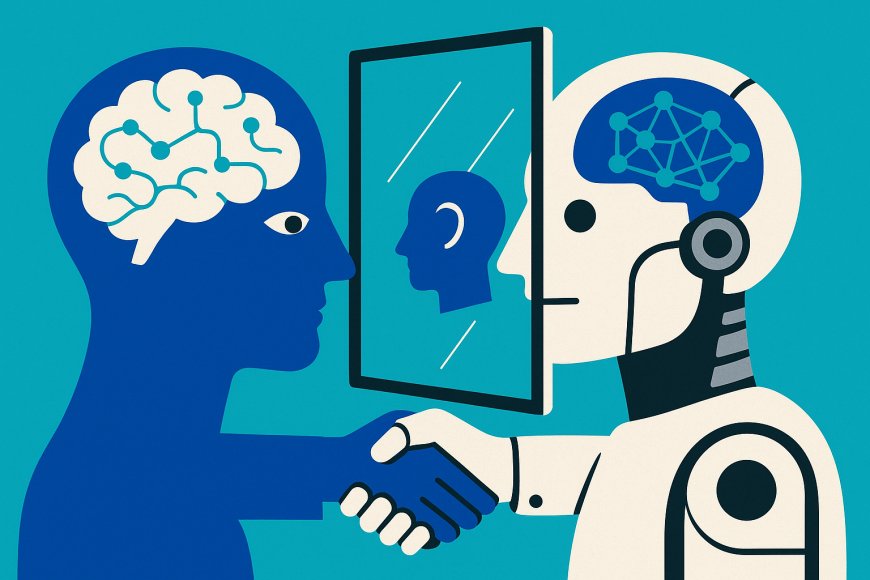
Consider a world where artificial intelligence not only complements human efforts but actively emulates the nuances of human cognition. Imagine a digital assistant that perceives nuance in conversation, detects subtleties in mood, and adapts its responses accordingly. This is the emergent frontier of cognitive-reflective AI—the endeavor to create intelligent systems that mirror the intricate processes of human thought.


The allure of such systems lies in their potential to transform interactions between humans and machines, fostering a more seamless exchange of ideas and intentions. Yet, achieving this requires more than just advanced algorithms or computational power; it necessitates a fundamental rethinking of how AI systems are designed and deployed.
Designing AI with Cognitive Mirrors
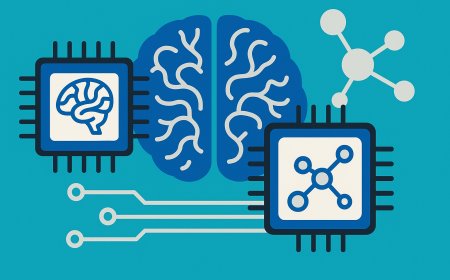
In the realm of cognitive-reflective AI, design takes center stage. A typical experimental setup might involve training neural networks not only on vast datasets of human language but also on complex models of human thought processes. These systems are programmed to learn from context, anticipate user needs, and respond in ways that feel genuinely human-like.
For instance, a research group might employ deep learning algorithms to analyze conversational patterns. By employing reinforcement learning, these systems adaptively refine their responses based on user feedback, gradually honing their ability to emulate human interaction. Such efforts push the boundaries of machine learning, aiming to cultivate machines that perceive and react to subtleties in human dialogue.
However, the endeavor is fraught with challenges. Modeling cognitive processes involves navigating the complexities of human emotion, understanding implicit social cues, and even replicating elements of human creativity and intuition. Each of these dimensions requires specialized approaches, blending insights from cognitive science, psychology, and linguistics, with cutting-edge AI technologies.
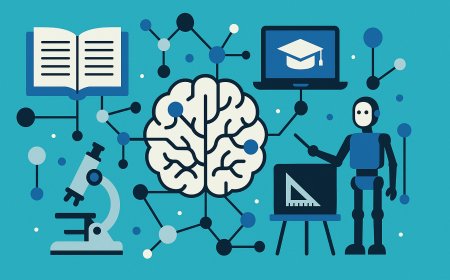
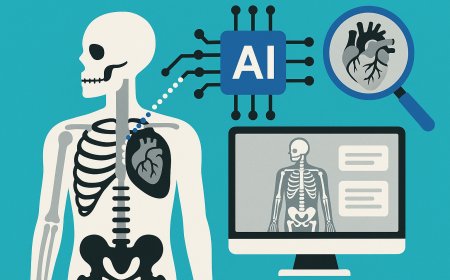
The implications are significant. By embedding cognitive mirrors into AI, systems could potentially transform industries reliant on nuanced human interaction. Consider healthcare, where empathetic AI could assist in patient counseling, or in education, where tailored AI tutors adapt learning experiences to each student’s cognitive style.
Challenges and Considerations
The ambition to design AI systems that replicate human thought processes is not without its hurdles. One of the most pressing concerns involves bias. In a typical observational study, researchers might analyze how AI systems trained on biased datasets inadvertently perpetuate stereotypes or make skewed decisions.
Designers must grapple with the complex task of ensuring AI systems interpret data in ways that are both accurate and ethical. This requires constant vigilance, iterative testing, and a robust understanding of cognitive diversity. By examining a wide array of cognitive models, designers can better equip AI systems to recognize and respect individual differences, thereby reducing bias.
Moreover, ethical considerations loom large. In crafting AI systems that emulate human cognition, designers must ensure these technologies are deployed with mindfulness to privacy and consent. The risk of AI systems making decisions on behalf of users without adequate oversight is a compelling reason to embed ethical guidelines into the design process itself.
These challenges invite a reevaluation of ethical frameworks guiding AI development. Engaging a multidisciplinary approach, including ethicists in AI design teams, could foster systems that reflect diverse perspectives and uphold human dignity.
The Future of Cognitive-Reflective Systems
As cognitive-reflective AI systems continue to evolve, they may redefine the boundaries of human-machine collaboration. Consider a behavioral experiment where AI could dynamically adjust its behavior based on real-time feedback from human partners, creating a more harmonious interaction that enriches both parties.
Looking ahead, the integration of cognitive-reflective AI could catalyze innovative applications across sectors. In creative industries, for example, AI that mirrors human cognitive processes could become collaborative partners in artistic endeavors, offering novel perspectives and enhancing creative outputs.
Furthermore, the design of such systems challenges us to rethink what it means to interact with machines. By embracing the complexity of human thought, we may uncover new opportunities for AI to enrich our lives and expand human potential. The quest for cognitive-reflective AI is not merely a technical challenge but an invitation to explore deeper philosophical questions about cognition, empathy, and the nature of intelligence itself.
The journey into cognitive-reflective AI is one of inquiry and exploration. As we create these digital reflections of ourselves, we stand on the precipice of a future where human and machine cognition seamlessly blend, unlocking unprecedented possibilities for innovation and understanding.
What's Your Reaction?