






























































The Creator Economy: A New Frontier in Economic Thought
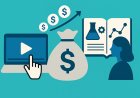
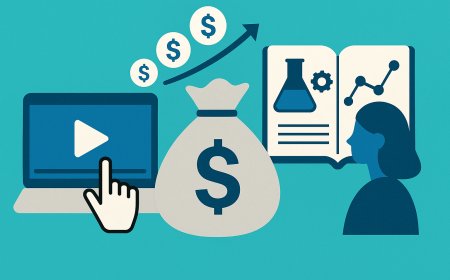
The creator economy challenges traditional economic theories by reshaping how value is perceived, generated, and distributed. Fueled by digital platforms and social media, creators harness unique content to build direct relationships with audiences, bypassing traditional intermediaries. These interactions redefine value creation, shifting focus from product-centric to experience-based models. This shift drives innovation and questions established economic assumptions about labor, value, and market dynamics. By examining case studies and advanced theories, the article delves into how the creator economy could fundamentally transform economic systems, proposing new frameworks to understand this evolving landscape.

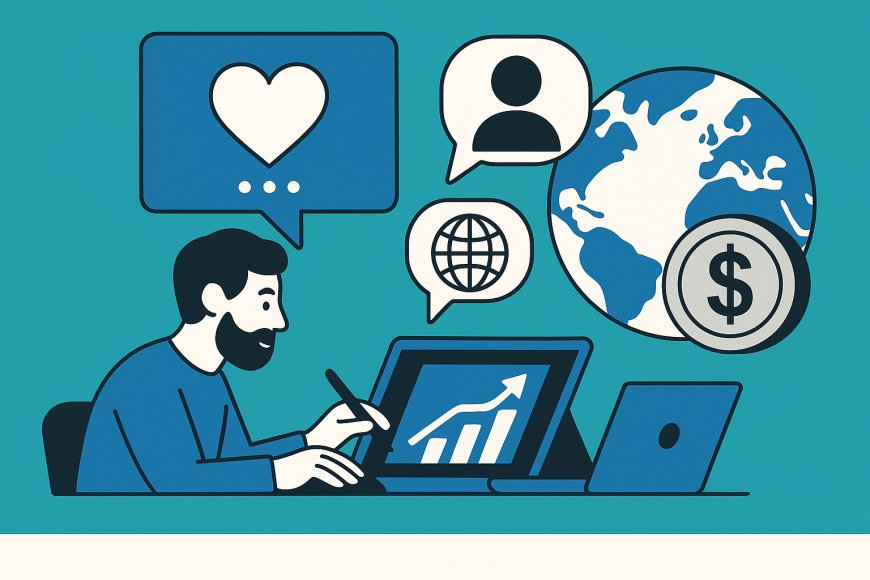
Imagine a world where individuals can earn a living by sharing their art, insights, and personal narratives without the traditional constraints of corporations. This is not a speculative vision of the future; it is the present-day phenomenon known as the creator economy. A burgeoning sector fueled by digital platforms and social media, the creator economy is reshaping traditional economic structures by altering how value is perceived, generated, and distributed. In this economy, creators, ranging from artists to educators, engage directly with their audiences, often bypassing conventional intermediaries. This shift not only disrupts existing market dynamics but also challenges traditional economic theories.


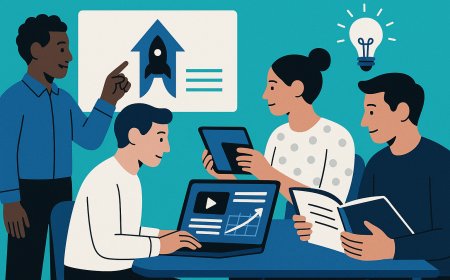
Consider a digital platform where a fitness enthusiast offers personalized workout plans to a global audience. Unlike the traditional model where a fitness trainer is employed by a gym, this creator builds a direct relationship with clients, offering customized experiences. These interactions foster a new kind of value creation, focused more on personal engagement than on mass-produced goods. This represents a paradigm shift from product-centric to experience-based economic models, effectively questioning long-standing assumptions about labor, value, and consumer interaction.
In a typical observational study, economists might examine how these digital interactions redefine notions of labor and productivity. Traditional models often quantify productivity through physical output or service delivery within a corporate structure. In contrast, the creator economy evaluates productivity based on the quality of engagement and audience interaction. By leveraging digital tools, creators reach niche audiences with tailored content, fostering a sense of community and belonging that transcends transactional relationships.
The Economics of Creativity and Innovation
At the heart of the creator economy is a fundamental rethinking of innovation. Conventionally, innovation has been the domain of large corporations with resources to invest in research and development. However, in this new economy, individuals harness creativity and digital platforms to innovate rapidly and efficiently. A case study involving a digital illustrator demonstrates this shift: by utilizing social media platforms, the illustrator directly engages with a global audience, receiving immediate feedback and financial support through commission-based work.
These interactions illustrate how the creator economy democratizes innovation. No longer is innovation restricted by access to capital or institutional support. Instead, the barriers to entry are lowered, allowing diverse voices to contribute to economic discourse. This democratization not only enhances the diversity of ideas but also accelerates the pace of innovation, as creators iterate quickly based on audience feedback and market trends.
Moreover, the creator economy prompts a reevaluation of intellectual property (IP) norms. Where traditional systems emphasize ownership and exclusivity, creators often favor open-source models, openly sharing methodologies and ideas to foster collaboration and community growth. This approach challenges conventional IP frameworks, suggesting alternative models where value is derived from shared innovation rather than proprietary control.
Reimagining Economic Systems: Theoretical Implications
The rise of the creator economy compels economists to revisit and revise fundamental economic theories. Classical economics, with its focus on scarcity and resource allocation, may find its assumptions challenged by a system where digital goods and services defy traditional scarcity models. In this context, the marginal cost of reproducing digital content is near zero, raising questions about the validity of established pricing strategies.
In a pioneering theoretical exploration, researchers at a leading think tank developed a model integrating elements of behavioral economics with the unique characteristics of the creator economy. This model suggests that consumer decision-making in this economy is driven less by price and more by perceived value, social identity, and community belonging.
Additionally, the creator economy offers new insights into the labor market and employment models. Gig economy principles, which emphasize flexibility and autonomy, are central to the creator economy. Yet, unlike traditional gig work, creators often forge personal brands and cultivate loyal followings, establishing a sense of stability and identity often absent in gig roles. This evolution necessitates a broader understanding of labor, taking into account emotional and social factors influencing economic transactions.
As the creator economy continues to evolve, it may redefine economic systems worldwide. By challenging entrenched notions of value, labor, and market dynamics, it encourages the development of new frameworks to understand and navigate this innovative landscape. Forward-thinking economists and policymakers are already exploring these possibilities, seeking to harness the potential of the creator economy to foster inclusive and sustainable growth.
Looking ahead, the creator economy offers a unique opportunity to reimagine economic systems. As digital platforms continue to empower individuals, the boundaries of traditional economic thought will be tested and expanded. Embracing this shift could lead to a more inclusive and dynamic economy, where innovation thrives and diverse voices are heard. The future of economic theory may well be shaped by these creators, who challenge conventions and redefine what it means to create value in a connected world.
What's Your Reaction?