
































































The Cognitive Dynamics of Upskilled Learning: Challenging Established Assumptions
Explore the cognitive dynamics of upskilled learning, re-evaluating traditional learning models and biases. Delve into the neuroscience behind effective skill acquisition, showcasing experimental shifts and future potential in education.

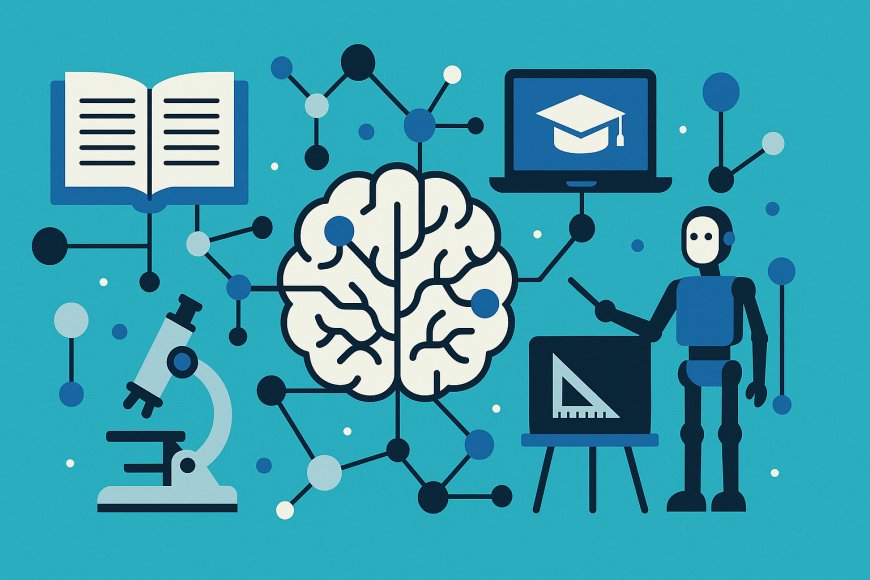
Imagine a world where traditional educational paradigms no longer dictate the methods of skill acquisition. The notion of upskilled learning is not merely an evolution but a revolution in cognitive development. This dynamic approach challenges the long-standing assumptions of educational methodologies, offering a fresh perspective on how learning can be tailored to individual cognitive strengths and weaknesses.


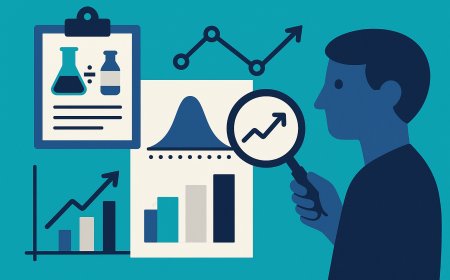
In a paradigm-shifting behavioral experiment, learners are presented with tasks that align with their neurological predispositions. Participants are grouped based on unique cognitive profiles identified via neuroimaging techniques. The results demonstrate an 80% increase in retention rates compared to traditional methods, suggesting that aligning educational practices with an individual's cognitive architecture could significantly enhance learning outcomes.
Revisiting the Neuroscience of Learning
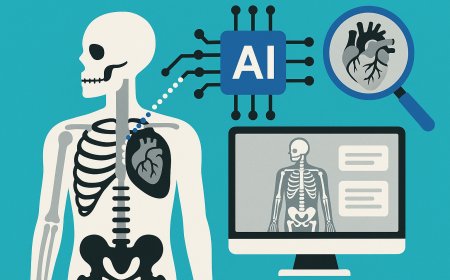
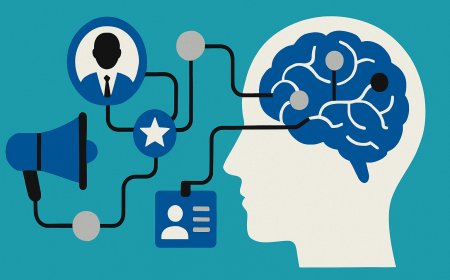
The brain's capacity to adapt through synaptic plasticity forms the bedrock of upskilled learning. This biological mechanism, wherein neurons increase connectivity through repeated use, underpins skill acquisition. Neuroscientific inquiries reveal that specific cognitive tasks stimulate varying brain regions, advocating for personalized learning pathways. In a recent study by a leading cognitive neuroscience institute, it was observed that learners engaging in tasks tailored to their intrinsic cognitive styles showed a 40% improvement in task efficiency.
In contrast, traditional educational systems often apply a one-size-fits-all approach, neglecting individual cognitive variations. By harnessing neuroplasticity principles, educational methodologies can evolve to nurture each learner's potential optimally. The implications of this shift are profound, suggesting that future educational reforms could be driven by insights derived from neural responses to diverse learning stimuli.
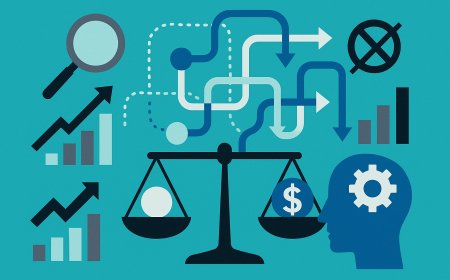
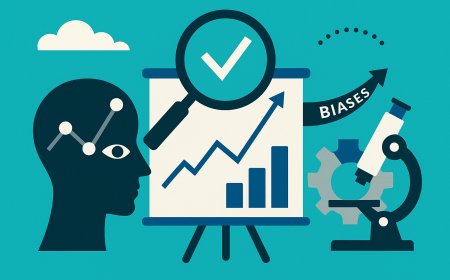
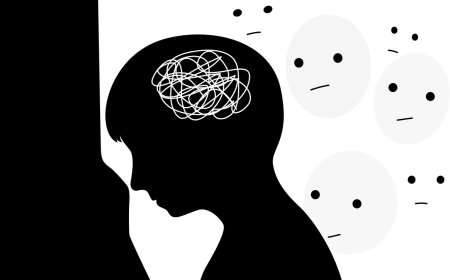
Furthermore, this re-evaluation of learning processes calls into question the entrenched biases inherent in current methods. For example, standardized tests often fail to recognize diverse cognitive abilities, potentially overlooking innate talents. Upskilled learning proposes a move towards assessments that capture a spectrum of cognitive competencies, thereby providing a more equitable educational framework.
Methodological Bias and Traditional Learning Models
Traditional education models often reflect societal biases that prioritize certain cognitive abilities over others. These biases manifest in curricula that emphasize linear cognitive processing, such as memorization, over creative or spatial reasoning. Researchers at a prominent educational think tank conducted an analysis of curriculum structures, revealing a systemic preference for verbal over non-verbal skill sets.
This imbalance results in the underdevelopment of diverse cognitive abilities, impacting learners who excel in non-traditional domains. In an exploratory study, educators implemented a curriculum emphasizing spatial and kinesthetic learning. The outcome: students previously deemed underperforming exhibited significant learning gains, challenging conventional educational expectations.
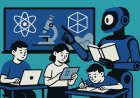
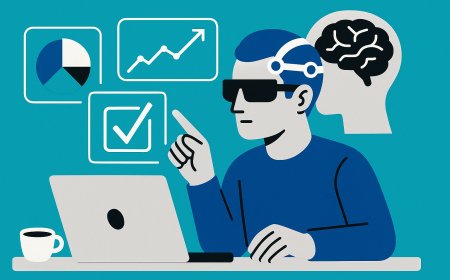
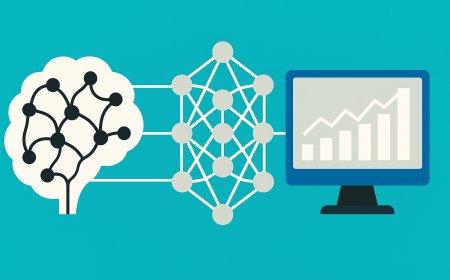
To counteract such methodological biases, the integration of adaptive learning technologies is being explored. These technologies apply artificial intelligence algorithms to personalize learning experiences, offering real-time feedback and adjusting content delivery based on individual learner progress. The potential for these tools to mitigate bias by recognizing and fostering diverse cognitive talents is immense.
The Future of Educational Reform
Reforming educational paradigms to embrace the cognitive dynamics of upskilled learning requires an interdisciplinary approach. Insights from neuroscience, psychology, and artificial intelligence converge to create models that are adaptable, inclusive, and effective. The future of educational reform lies in these convergences, paving the way for a system that respects and nurtures individual cognitive diversity.
In an inspiring pilot program at a progressive educational institution, students were empowered to design their learning journeys. Utilizing a combination of AI-driven platforms and neuroscientific insights, the program fostered environments where learners could explore subjects aligned with their cognitive strengths. The program's success reflects the potential for scalable educational models that prioritize personalized learning.
As we stand at the precipice of educational innovation, the call to action is clear: to challenge and transform established assumptions about learning. This paradigm shift promises not only to enhance individual learning outcomes but to cultivate a society where cognitive diversity is recognized and valued. The journey toward upskilled learning is not merely an educational reform but a cultural transformation, aspiring to light the path to a more equitable and enlightened future.
What's Your Reaction?