





































































The Science of Sleep: Unraveling Circadian Rhythms and Their Impact on Well-being
Circadian rhythms, our biological clocks, govern sleep-wake cycles, impacting our mental and physical health. This article explores the mechanisms behind these rhythms, their influence on wellness, and potential interventions for disruption.

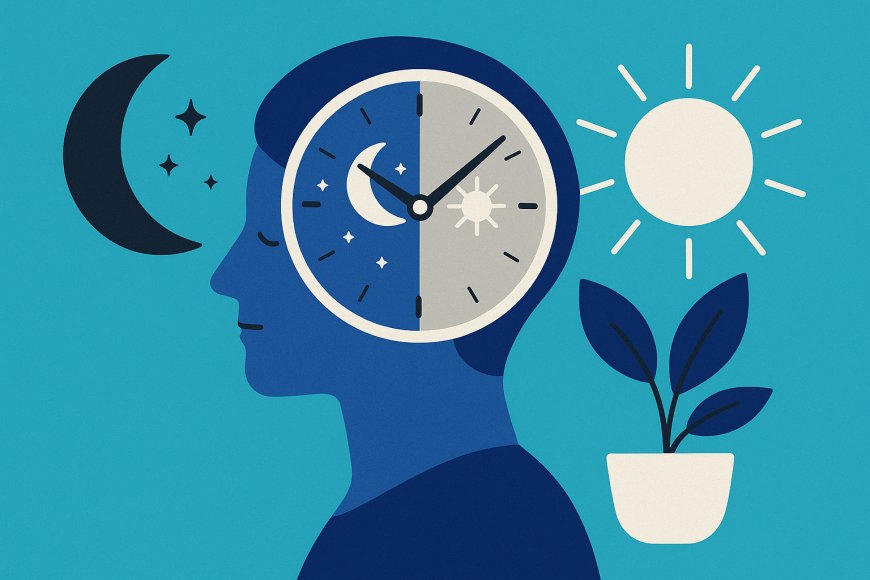
Every organism, from the tiniest bacterium to the largest mammal, adheres to a rhythm dictated by the Earth's rotation. These circadian rhythms, with a typical duration of 24 hours, orchestrate a symphony of physiological processes that govern countless aspects of biological life. For humans, circadian rhythms regulate the sleep-wake cycle, a crucial determinant of overall health and well-being.


In a typical observational study, participants are exposed to natural light cycles. Data reveals a synchronization of core body temperature, hormone release, and sleep propensity, all oscillating in tune with these external cues. It is through these mechanisms that circadian rhythms assert their profound influence over our physical and mental states.
The Biological Clock: An Intricate Mechanism
The suprachiasmatic nucleus (SCN), nestled within the hypothalamus, serves as the master clock coordinating these rhythms. It receives direct input from the retina, which detects light and darkness, subsequently adjusting physiological operations accordingly. This integration of environmental signals allows for the precise synchronization of our internal clocks with the day-night cycle.
Consider a behavioral experiment where subjects are isolated from natural light. Despite constant artificial lighting, the SCN continues to maintain a near-24-hour cycle. However, the absence of light cues gradually causes a drift, highlighting the importance of external cues in maintaining rhythm regularity. This internal clock is not merely a passive timekeeper, but an active regulator of critical functions such as sleep timing, feeding, and even core body temperature.
Further research uncovers the cellular basis of circadian rhythms. At the genetic level, a feedback loop involving clock genes and proteins cycles approximately every 24 hours. These molecular oscillations form the foundation upon which the SCN governs systemic rhythms. It is this genetic mechanism that ensures adaptability and precision in response to environmental changes.
Impact on Health and Wellness
The influence of circadian rhythms extends far beyond sleep regulation. Disruptions in these rhythms manifest in varied health outcomes. Chronic misalignment, often due to shift work or jet lag, has been linked to a plethora of disorders including metabolic syndromes, cardiovascular diseases, and mental health issues.
In a clinical trial involving shift workers, participants exhibited elevated levels of stress hormones and changes in glucose metabolism. These physiological alterations underscore the systemic impact of rhythm disruption. The trial outcomes suggest that realigning circadian rhythms may mitigate these negative health consequences, enabling enhanced wellness and performance.
Additionally, the timing of medication administration, known as chronotherapy, leverages these rhythms for improved efficacy. For instance, antihypertensives administered in alignment with circadian timing yield better blood pressure control compared to conventional dosing schedules. This approach highlights the potential of circadian science to revolutionize therapeutic strategies.
Interventions for Rhythm Disruption
Addressing circadian misalignment necessitates a multifaceted approach. Light therapy emerges as a powerful intervention, utilizing specific wavelengths to phase-shift the sleep-wake cycle. In controlled trials, exposure to morning light effectively resets the biological clock, reducing symptoms of seasonal affective disorder and improving overall mood.
On a behavioral level, structured sleep hygiene practices prove essential. Consistent sleep schedules, coupled with environmental modifications such as reducing blue light exposure before bedtime, facilitate rhythm alignment. These practices, supported by empirical data, enhance sleep quality and, by extension, overall health.
Genetic research continues to uncover potential pharmacological targets. Modulating clock gene expression represents a burgeoning field, promising novel interventions for rhythm-related disorders. While still in its infancy, this molecular approach holds the promise of precision medicine tailored to circadian biology.
The interplay between circadian rhythms and modern lifestyles presents both challenges and opportunities. As scientific understanding deepens, the potential for enhancing human health through rhythm-based interventions becomes increasingly tangible.
The future of circadian research is bright, with advancements promising innovative solutions to rhythm disruptions. As we unlock the secrets of our biological clocks, a new frontier of wellness awaits—one where harmony between our internal and external worlds leads to optimal health and vitality.
What's Your Reaction?