















































































Challenging the Psychological Assumptions of Remote Work
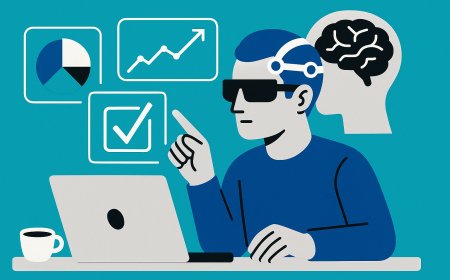
The shift to remote work has provoked a re-evaluation of long-standing assumptions about workplace dynamics and productivity. Traditional views often emphasize the necessity of physical proximity and structured environments for optimal performance. Yet, emerging research challenges these notions, suggesting that remote work could enhance creativity, self-regulation, and overall productivity under certain conditions. By examining cognitive biases, social dynamics, and the evolving nature of work-related stress, this article delves into how psychological frameworks need to adapt to the new landscape of remote work. With a focus on specific case studies and experimental data, this piece rethinks the psychological underpinnings that govern perceptions of productivity, collaboration, and employee satisfaction in a virtual setting.

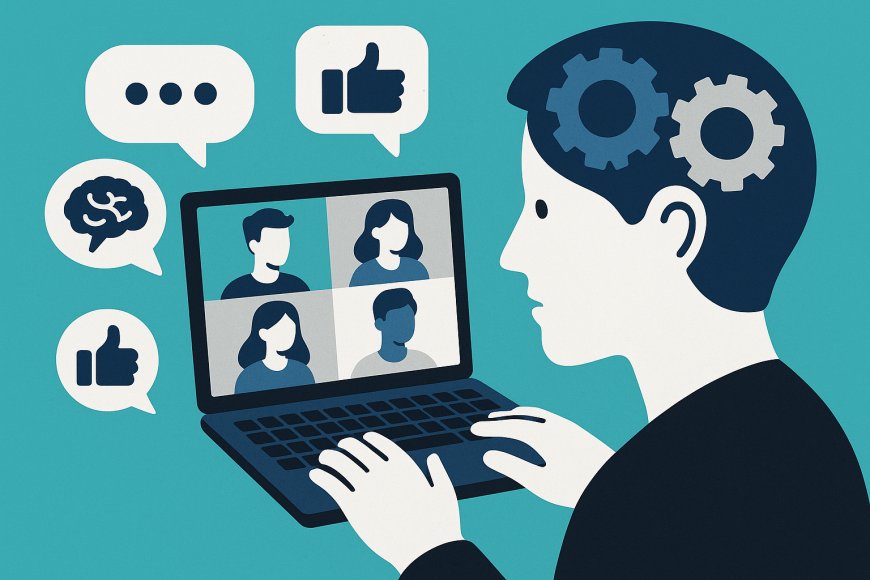
In a typical office setting, the hum of activity, the exchanging of ideas over coffee breaks, and the serendipitous hallway conversations have long been viewed as essential to productivity and creativity. Yet, the advent of remote work has disrupted these conventional beliefs. The sudden shift to virtual environments prompts a critical examination of the psychological frameworks that underpin our understanding of work dynamics.


Consider a behavioral experiment where participants engage in collaborative problem-solving tasks. Half the groups interact in a physical office, while the others connect via digital platforms. Surprisingly, initial results indicate that remote teams exhibit higher levels of creativity and problem-solving efficiency. This contradicts traditional assumptions that physical proximity is indispensable for effective collaboration. The absence of a physical office appears to remove certain social pressures, allowing individuals to express more uninhibited ideas. Psychological safety, often associated with close-knit teams, may manifest differently in remote settings, encouraging a new form of creativity.
Cognitive Biases and Remote Work
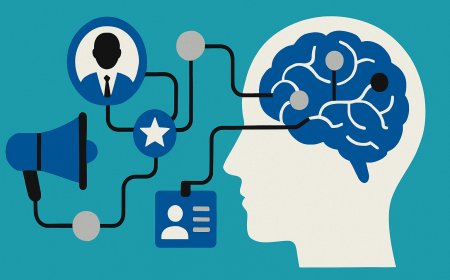
The transition to remote work has unveiled cognitive biases that influence perceptions of productivity and efficiency. Anchoring bias, the tendency to rely heavily on the first piece of information encountered, shapes managers' perceptions of employee output. In traditional settings, visible activity often equates to perceived productivity. Remote work challenges this bias by necessitating trust in outcomes rather than observable processes.
In a controlled observational study, managers assessed the performance of remote employees based on outcome metrics rather than time spent online or visible activity. Results demonstrated no significant decrease in productivity, suggesting that cognitive biases distort evaluations of remote work effectiveness. Furthermore, the switching of focus from input to outcome aligns with goal-setting theories, emphasizing results over processes. This shift encourages self-regulation among employees, empowering them to manage their workloads autonomously.
Yet, cognitive biases are not solely the domain of managers. Employees themselves grapple with the illusion of control bias, underestimating the impact of remote work environments on stress and mental health. When stripped of the structured routine of an office, some may feel overwhelmed by self-imposed expectations and the blurring of work-life boundaries.
Social Dynamics in Virtual Workspaces
Social dynamics undergo significant transformations in the realm of remote work. While digital platforms facilitate communication, they also introduce novel challenges to team cohesion and relationship-building. The lack of physical presence can hinder the development of trust and mutual understanding, critical components of effective teamwork.
In one case study, a tech startup implemented a virtual "water cooler" space, aiming to replicate informal office interactions. Over several months, they observed a noticeable improvement in team morale and trust levels. However, the digital medium also imposed constraints, as nuanced non-verbal cues easily conveyed in person became lost in virtual translation. This leads to misunderstandings and the erosion of social capital.
Additionally, the absence of spontaneous interactions may limit exposure to diverse perspectives and serendipitous innovation. Yet, structured virtual gatherings can compensate for this loss, providing a platform for inclusive dialogue and idea exchange. By intentionally crafting digital spaces for interaction, organizations can maintain the social dynamics crucial for innovation.
The Evolving Nature of Work-Related Stress
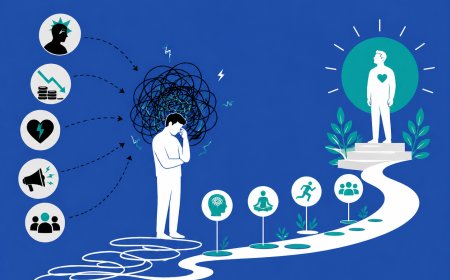
Remote work alters the landscape of work-related stress, introducing complexities that challenge existing psychological models. The flexibility and autonomy often touted as benefits may paradoxically lead to increased stress due to the erosion of work-life boundaries. The availability of technology blurs these lines, complicating the psychological separation between personal and professional domains.
Experimental data from longitudinal studies on remote workers indicate a rise in what psychologists term "technostress," a form of stress induced by excessive technological demands. Participants reported higher levels of burnout and decreased job satisfaction, correlating with the constant digital connectivity demanded by remote work environments.
To address these challenges, organizations must rethink support systems and stress management strategies. This includes setting clear boundaries for digital communication, fostering a culture of rest, and encouraging mental health breaks. Such initiatives could mitigate the negative psychological impacts and enhance overall well-being.
The shift to remote work is not only a logistical transformation but a psychological evolution that challenges the foundations of traditional work paradigms. The future of work hinges on our ability to adapt these frameworks, embracing new models that prioritize trust, autonomy, and mental well-being. Remote work is not just a temporary solution but a catalyst for redefining productivity and collaboration in the digital age.
What's Your Reaction?