













































































The Dynamics of Emotional Reciprocity in Relationship Research
Recent studies challenge conventional views on emotional reciprocity in interpersonal relationships, suggesting that nuanced emotional exchanges are essential for maintaining relationship stability. Through innovative methodologies, researchers reveal the intricate mechanisms by which emotions are reciprocated and the profound implications this has on social bonds. By exploring these dynamics, the studies offer new insights into the complexities of human connections, highlighting how subtle emotional cues and responses contribute to the overall health and longevity of relationships. These findings have far-reaching implications for both psychology and sociology, providing a deeper understanding of the foundational elements of interpersonal connectivity.

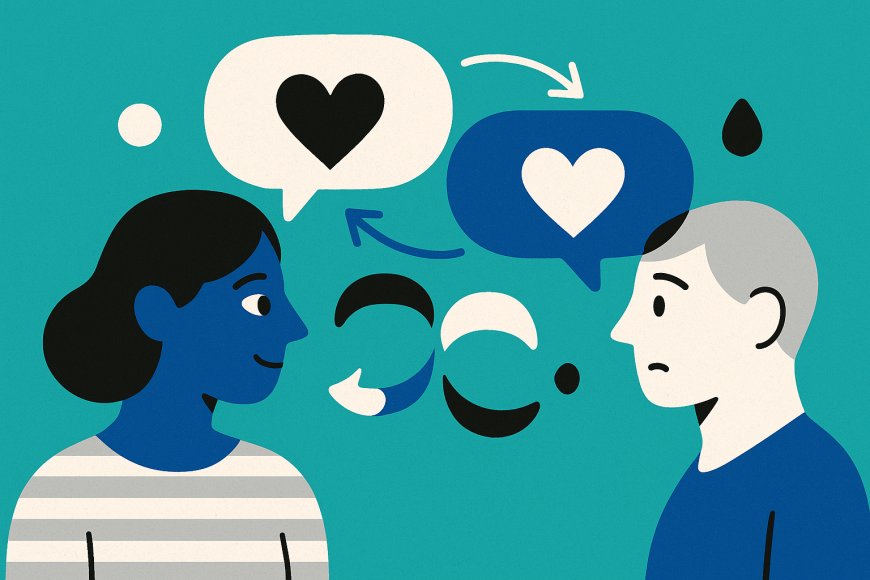
In the intricate web of human relationships, emotional reciprocity emerges as a pivotal mechanism, profoundly influencing interpersonal dynamics. Emotional reciprocity, the mutual exchange of emotions and emotional understanding between individuals, is often considered the bedrock of stable and fulfilling relationships. This concept transcends simplistic notions of cause and effect, delving into a more nuanced understanding of how emotions are conveyed, perceived, and reciprocated. Recent research within social psychology has begun to unveil the subtleties of this process, challenging conventional narratives that have long dominated the discourse on relationship dynamics.


The traditional view of emotional reciprocity often frames it as a straightforward transactional process: an emotional response evokes a corresponding reaction. However, recent studies suggest a more complex interplay. Consider an experimental study conducted by a consortium of social psychologists, wherein pairs of participants were subjected to controlled emotional stimuli. Participants were observed not just for their immediate emotional reactions but also for subsequent changes in emotional expression over time. The findings revealed that reciprocity is not merely a direct reaction but rather a dynamic interaction influenced by a myriad of factors, including past experiences, context, and the relationship's overall emotional climate.
This complexity is further illustrated in a typical observational study involving long-term couple interactions. Here, researchers equipped participants with wearable emotion-sensing devices that monitored physiological markers of emotional states. Over several weeks, the collected data illuminated fluctuating patterns of emotional reciprocity, showcasing how these patterns are modulated by daily stressors, communication styles, and individual emotional resilience. It became apparent that emotional reciprocity is not static but evolves, reflecting the ever-changing landscape of personal and shared experiences.
Mechanisms of Emotional Reciprocity
Understanding the mechanisms underlying emotional reciprocity requires a deep dive into the subtleties of emotional expression and reception. In a controlled laboratory setting, participants engaged in a series of dialogues designed to elicit a spectrum of emotions, from joy to frustration. Through detailed analysis of facial expressions, tone of voice, and body language, researchers identified key markers that facilitate or hinder emotional reciprocity. For instance, subtle changes in tone or micro-expressions can dramatically alter the course of emotional exchange, highlighting the sensitivity of human interaction to minute emotional cues.
Moreover, these studies underscore the role of individual differences in emotional processing. In cases where participants demonstrated heightened emotional intelligence, the capacity for empathy and the subtle art of emotional tuning were markedly more pronounced. This suggests that emotional reciprocity is not solely contingent upon the emotions themselves but is also influenced by the individual's ability to perceive and process these emotions accurately. Such findings pose intriguing questions regarding the development of emotional intelligence and its impact on the quality of interpersonal relationships.
The implications of these mechanisms extend beyond individual interactions, influencing broader social and organizational networks. In an examination of workplace dynamics, researchers observed how emotional reciprocity contributes to a collaborative environment, fostering trust and cohesion. The study revealed that leaders who effectively engage in emotional reciprocity can galvanize teams, enhancing collective morale and productivity. Such insights are invaluable for organizational psychology, offering practical applications for improving workplace culture.
Impact on Relationship Stability
Examining the impact of emotional reciprocity on relationship stability yields profound insights into the factors that sustain long-term connections. In a longitudinal study tracking couples over a decade, researchers identified patterns of emotional reciprocity that correlated strongly with relationship longevity and satisfaction. These patterns were characterized by balanced emotional exchanges, where both partners equally engaged in giving and receiving emotional support.
Interestingly, the study also highlighted how disruptions in emotional reciprocity can precipitate relationship fractures. Instances where one partner consistently perceived a lack of emotional response from the other led to an accumulation of relational discord. This phenomenon suggests a feedback loop, where unresolved emotional exchanges exacerbate tensions, potentially leading to relationship dissolution.
Furthermore, the role of external stressors in modulating emotional reciprocity cannot be overlooked. Researchers found that external pressures, such as financial strain or health concerns, often skewed emotional reciprocity, challenging the partners' ability to maintain balanced emotional exchanges. However, couples who had developed adaptive strategies for maintaining emotional reciprocity despite external stressors exhibited greater resilience, underscoring the protective function of emotional reciprocity in the face of adversity.
The burgeoning research on emotional reciprocity presents an exciting frontier for the study of relationship dynamics. As investigations delve deeper into the intricacies of emotional exchanges, new methodological approaches continue to emerge, advancing our understanding of this essential human interaction. The implications of these studies are far-reaching, offering potential pathways for enhancing relationship education and therapy. As we look to the future, the integration of emotional reciprocity insights into broader social models holds promise for fostering healthier, more empathetic societies.
What's Your Reaction?