



















































































Bias in Social Science: Methodological Complexities and Implications
Bias, an inherent challenge in social science, significantly affects research outcomes and interpretations. This article examines the methodological complexities of bias, illustrating how it alters data collection and analysis. By exploring various biases, from confirmation to systemic, the article highlights the necessity for rigorous methodologies to enhance research validity and reliability. It discusses innovative approaches and potential solutions, urging social scientists to critically assess their methodologies to minimize bias and improve the credibility of their findings.

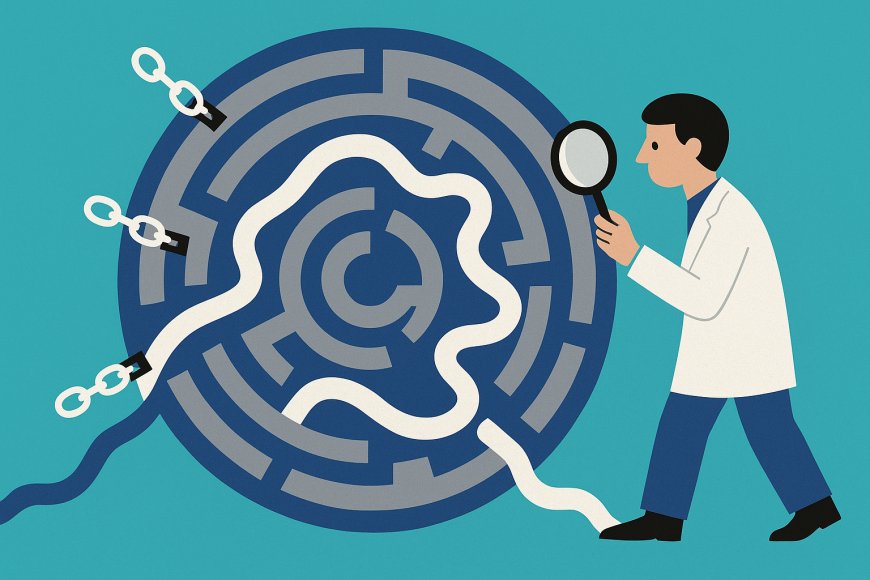
In the realm of social science, bias looms as a pervasive force, often subtly distorting the outcomes and interpretations of research. Consider a social experiment designed to understand the impact of educational interventions on student achievements. The researchers, unknowingly harboring confirmation bias, selectively focus on data that supports their hypothesis while ignoring conflicting evidence. Such biases, entrenched in the research process, can lead to the perpetuation of misconceptions and erroneous conclusions.


Bias manifests in myriad forms, each with its unique implications for methodology. From selection bias, where non-representative samples skew results, to measurement bias, where data collection tools favor specific outcomes, the challenges are multifaceted. In a typical observational study, researchers aiming to explore workplace dynamics might inadvertently prioritize feedback from more vocal employees, neglecting the nuanced perspectives of quieter individuals. This inclination can yield an incomplete picture, compromising the study’s validity.
The Intricacies of Systemic Bias
Systemic bias, entrenched within societal structures, presents profound methodological challenges in social science research. It influences not only the formulation of research questions but also the interpretation of data. Imagine a longitudinal study assessing healthcare access across socio-economic strata. Researchers might inadvertently design survey questions based on middle-class norms, overlooking the unique barriers faced by lower-income groups. This oversight perpetuates a systemic bias that diminishes the study's applicability and relevance to all demographics.
To address systemic bias, social scientists must adopt a multi-layered approach. This involves critically evaluating the cultural assumptions embedded in their methodologies and seeking diverse perspectives to refine research frameworks. For example, integrating community voices in the design phase can illuminate overlooked variables, ensuring a more comprehensive and equitable analysis. Moreover, employing mixed-methods research that combines quantitative data with qualitative insights can unearth deeper understandings, mitigating the risks of systemic bias.
Innovative methodological strategies are emerging to combat systemic bias. These include participatory action research, where researchers collaborate with community members as equal partners in the research process. Such approaches not only democratize the research endeavor but also ensure that diverse voices shape the research agenda and outcomes, thereby enhancing validity and reliability.
Confirmation Bias and Its Methodological Repercussions
Confirmation bias, a subconscious inclination to favor information that confirms pre-existing beliefs, profoundly impacts the integrity of social science research. In an investigative study examining societal attitudes towards climate change, researchers might unconsciously prioritize data supporting their environmental advocacy, thereby overlooking critical counterpoints. This skewed focus distorts the research findings, undermining their objectivity and generalizability.
The methodological implications of confirmation bias are far-reaching. It can lead to selective data analysis and reporting, where researchers consciously or unconsciously omit contradictory evidence. To counteract this, researchers must adopt rigorous data analysis techniques that emphasize transparency and critical scrutiny. Double-blind studies, for example, reduce subjective influence by concealing participant identities and researcher expectations during data collection and analysis.
Furthermore, fostering a research culture that encourages questioning and debate can mitigate the effects of confirmation bias. By cultivating interdisciplinary collaborations, researchers can expose their methodologies to diverse critiques, uncovering potential biases. This collaborative approach not only enhances methodological rigor but also fosters innovation by integrating diverse academic perspectives into the research process.
Navigating the Challenges of Measurement Bias
Measurement bias, an often-overlooked aspect of social science research, arises from flaws in data collection instruments that favor specific outcomes. Consider a psychological study aiming to assess stress levels across different demographics. If the survey questions are culturally biased, favoring Western notions of stress, the results could inaccurately represent the experiences of non-Western participants.
Measurement bias can significantly compromise the validity of research findings. To ensure accuracy, researchers must employ culturally sensitive measurement tools designed to capture diverse experiences and perspectives. Pre-testing instruments in diverse settings can identify potential biases, allowing for adjustments before full-scale deployment. This proactive approach enhances the reliability and applicability of research outcomes across diverse populations.
Technological advancements offer innovative solutions to measurement bias. Digital platforms equipped with adaptive algorithms can dynamically adjust questions based on respondents' cultural contexts, ensuring more accurate data collection. Moreover, integrating qualitative methods, such as in-depth interviews, can provide nuanced insights that quantitative measures might overlook, offering a more holistic understanding of the research topic.
The journey to mitigating bias in social science research is ongoing and requires continuous vigilance and adaptation. By embracing methodological innovation and fostering critical analysis, social scientists can enhance the credibility and impact of their work, paving the way for more equitable and accurate understandings of societal dynamics.
Looking ahead, the future of social science research hinges on our ability to transcend entrenched biases. As methodologies evolve, integrating technological advancements and fostering interdisciplinary collaborations will be crucial. By challenging conventional approaches and refining methodological practices, researchers can cultivate a more inclusive and accurate depiction of human society, driving informed policy decisions and societal progress.
What's Your Reaction?