

















































































Psychological Ownership in the Digital Age: A New Frontier for Identity and Value
This article explores the concept of psychological ownership in the digital age, examining its significance in the context of digital identity and value perception. By analyzing case studies and experiments, the article provides insights into how individuals perceive ownership of digital assets and its implications for social behavior and economic value. The discussion delves into the psychological mechanisms underpinning ownership, the societal impact of digital possessions, and future considerations for this evolving subject.

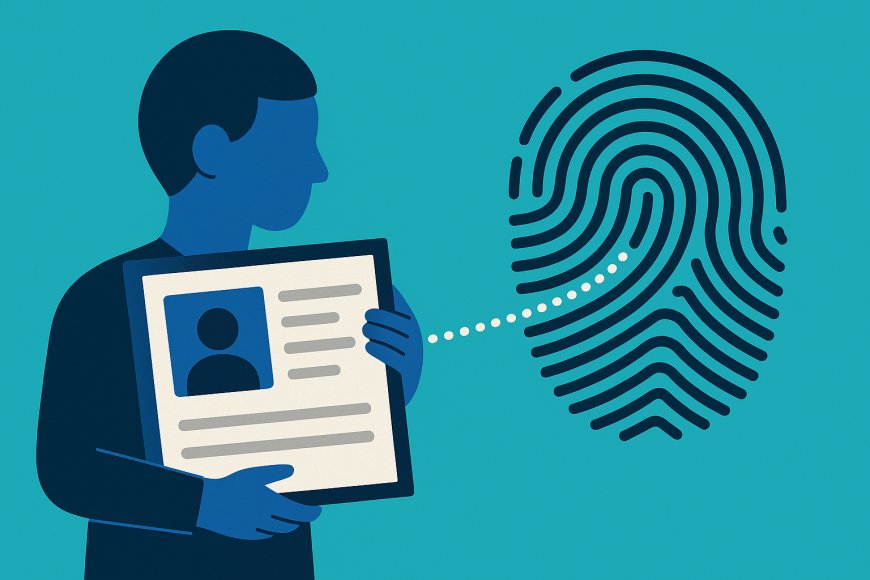
In the rapidly evolving digital landscape, a novel concept has emerged that challenges traditional notions of ownership and identity: psychological ownership. This phenomenon describes a state where individuals feel a sense of possession over an object, whether physical or intangible, that they consider part of their extended self. This feeling of ownership can be especially potent in the digital realm, where physical tangibility is absent, yet personal attachment and perceived value are real.


Consider a behavioral experiment where participants are given access to a digital art gallery. Each participant selects a piece of art that resonates with them. Despite the artwork being virtual, participants often exhibit behaviors indicative of ownership, such as increased care, strong advocacy for their selected piece, and resistance to sharing it. This experiment illuminates how psychological ownership manifests even without physical possession, underscoring its relevance in today's digital interactions.
The Mechanisms of Psychological Ownership in Digital Contexts
Psychological ownership in digital contexts operates through several mechanisms. One primary driver is the control individuals exert over digital entities. The ability to modify, personalize, and restrict access to digital assets enhances the feeling of ownership. In a study, users who customized their virtual avatars reported a stronger sense of possession than those who used default settings, emphasizing the role of control in fostering ownership feelings.
Furthermore, intimate knowledge of an item contributes to psychological ownership. Familiarity with a digital asset, whether through repeated interaction or personal investment in its creation, deepens the sense of possession. In another case study, participants who contributed to a collaborative digital project felt more ownership over the final product than those who simply consumed it. This suggests that the depth of interaction with digital content is crucial in cultivating psychological ownership.
Finally, self-investment in digital entities enhances ownership perceptions. This investment can be emotional, temporal, or even financial. Consider the case of online gaming communities where players invest countless hours developing their in-game characters. These players often develop intense ownership feelings towards their digital avatars, further illustrating the multifaceted nature of psychological ownership.
Implications for Social Behavior and Economic Value
Psychological ownership has profound implications for social behavior and economic value in digital domains. Ownership feelings can drive engagement, loyalty, and community building. For instance, in online forums or groups centered around shared digital assets, members often experience a heightened sense of belonging and commitment. This is fueled by their perceived ownership of shared digital experiences or content.
Economic implications are equally significant. The perception of ownership influences value attribution. Digital assets perceived as 'owned' are often deemed more valuable. This is evident in the digital art market, where non-fungible tokens (NFTs) have catalyzed a paradigm shift. NFTs allow digital art to be owned and traded, transforming perceptions of value and ownership in the art world. Here, the psychological ownership of digital creations translates directly into economic transactions.
Moreover, these ownership perceptions have the potential to alter consumer behavior. In digital marketplaces, items that consumers feel they 'own'—even if only virtually—are more likely to be retained, valued, and advocated for. As digital identities become increasingly commodified, understanding the nuances of psychological ownership becomes imperative for businesses and creators alike.
Challenges and Future Considerations
The burgeoning domain of digital psychological ownership presents challenges that warrant careful consideration. For one, the legal frameworks surrounding digital ownership lag behind technological advancements. While users may feel ownership over digital assets, the legal rights associated with these feelings are often ambiguous, leading to potential conflicts and ethical concerns.
Another challenge lies in the potential for exploitation. As businesses recognize the power of psychological ownership, they may manipulate it to drive consumerism. This raises questions about the ethical responsibilities of content creators and platform providers in fostering genuine rather than manufactured ownership feelings.
Looking forward, the concept of psychological ownership is likely to evolve alongside digital technologies. As virtual and augmented realities become more integrated into daily life, the boundaries of psychological ownership will be tested and redefined. Future research will need to explore how these emerging environments shape ownership perceptions and their broader societal impacts.
The digital age challenges us to rethink ownership, identity, and value. As psychological ownership gains prominence, it offers a lens through which to view the digital transformation of personal and collective perceptions. Acknowledging and understanding this phenomenon could redefine how we interact, create, and value digital entities in the years to come.
What's Your Reaction?