













































































Dissecting Emotional Intelligence: Mechanisms of Human Emotion Processing
Emotional intelligence (EI) refers to the skill of recognizing, interpreting, and managing one's own emotions and the emotions of others. Scientific investigations into EI uncover the neural mechanisms and cognitive processes underlying this ability. Through observational studies and controlled experiments, researchers have identified key brain areas and neural networks involved in EI, such as the amygdala and prefrontal cortex. Understanding EI's scientific basis not only has implications for personal development but also for improving social interactions and emotional regulation.

In any bustling urban environment, a myriad of emotions continuously ripple through the crowd, from the elation of a child with an ice cream cone to the frustration of a commuter delayed by traffic. While these emotions feel inherently personal and subjective, the ability to process and respond to them effectively is deeply rooted in what we term emotional intelligence (EI). But what are the underlying scientific mechanisms that enable such a sophisticated understanding and navigation of human emotions?


Emotional intelligence, a concept that blends both cognitive and emotional capabilities, has become a cornerstone in understanding human interactions and psychological resilience. It reflects an individual's capacity to recognize, interpret, and manage not only their own emotions but also the emotions of others. This capability influences decision-making, personal relationships, and mental health. Yet, the scientific foundations of emotional intelligence remain a profound area of exploration that continues to reveal the intricacies of the human mind.
The Neurobiological Underpinnings of Emotional Intelligence
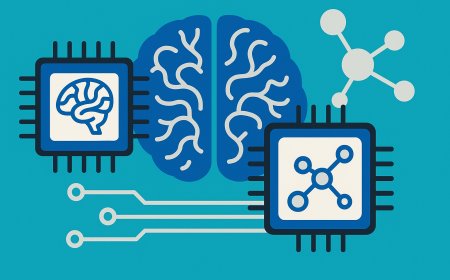
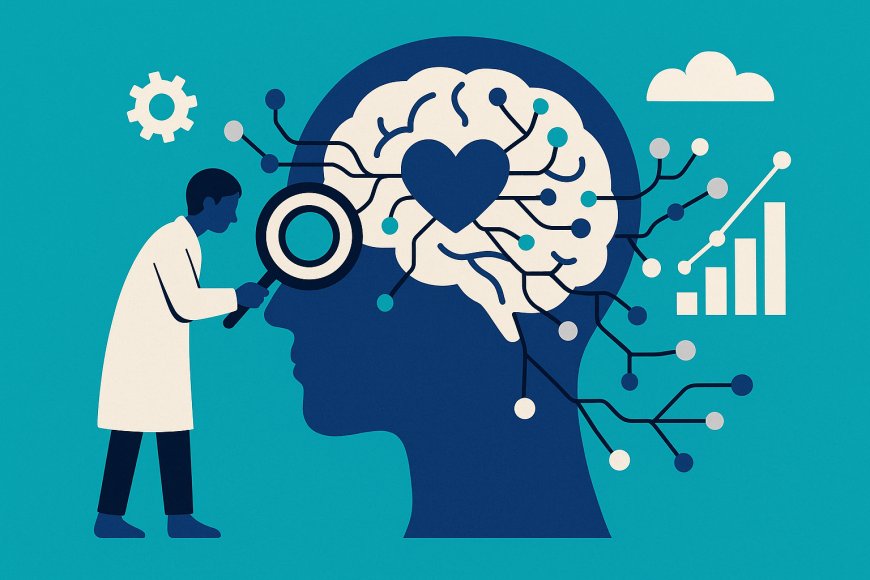
Recent advances in neuroscience have illuminated the complex neural networks that underpin emotional intelligence. Central to this is the amygdala, a small almond-shaped cluster of nuclei in the brain that plays a critical role in the processing of emotions. The amygdala acts as an emotional alarm system, rapidly assessing environmental stimuli for potential threats and generating appropriate emotional responses. This process is crucial for survival, as it allows organisms to react swiftly to danger. However, the amygdala's interactions with other brain regions, such as the prefrontal cortex, enable more nuanced emotional processing.
The prefrontal cortex, located at the front of the brain, is associated with higher cognitive functions, including decision-making, impulse control, and social behavior. It serves as a regulatory center, modulating the intensity and expression of emotional responses initiated by the amygdala. In a typical behavioral experiment, subjects demonstrating high emotional intelligence tend to show increased activity in the prefrontal cortex when confronted with emotionally charged scenarios, indicating a greater capacity for emotional regulation and reflection.
Furthermore, functional magnetic resonance imaging (fMRI) studies have provided insights into how these brain regions communicate during emotional processing. For instance, when individuals engage in tasks requiring empathy or emotion regulation, specific activation patterns reveal synchronized activity between the amygdala and prefrontal cortex. This neural connectivity is foundational to the components of EI, encompassing self-awareness, self-regulation, motivation, empathy, and social skills.
Cognitive Processes Underlying Emotional Intelligence
Cognitive science offers valuable frameworks for understanding how emotional intelligence operates on a psychological level. Emotion perception, one of the key elements of EI, involves the accurate recognition and interpretation of emotional cues through facial expressions, tone of voice, and body language. Consider a controlled experiment where participants are asked to identify emotions based on subtle changes in facial expressions. Individuals with high EI scores consistently outperform their peers, highlighting their refined perceptual acuity.
Another facet of EI is emotional regulation, the ability to manage one's emotional states effectively. In a classic experimental setup, subjects are exposed to a series of emotionally provocative images. Researchers observe differences in physiological responses, such as heart rate and skin conductance, between individuals with varying levels of emotional intelligence. Those with greater EI demonstrate more stable physiological profiles, suggesting enhanced regulation abilities.
Problem-solving and decision-making form other critical components of EI, as emotion-laden decisions often require balancing logic with empathy. In an observational study within a corporate setting, managers with high emotional intelligence adeptly navigate complex interpersonal dynamics, leading to more effective conflict resolution and team cohesiveness. Such findings underscore the practical applications of EI in domains that extend beyond personal growth, influencing organizational success and leadership effectiveness.
Implications for Social Interaction and Emotional Regulation
The scientific exploration of emotional intelligence holds significant implications for improving human social interaction. By understanding the neural and cognitive mechanisms that facilitate emotional processing, interventions can be designed to enhance EI among individuals, particularly in educational and workplace settings. Cognitive training programs, for instance, aim to bolster specific components of EI, such as empathy and emotional regulation, through targeted exercises and feedback.
Furthermore, appreciating the biological and cognitive foundations of EI offers pathways to bolster mental health initiatives. Emotional intelligence plays a protective role against stress, anxiety, and depression. As such, integrating EI training into therapeutic practices could provide individuals with the tools to better manage emotional challenges, promoting psychological resilience and well-being.
As we advance our understanding of emotional intelligence, its relevance extends beyond individual development to encompass broader societal dynamics. The capacity for empathy and effective emotion regulation shapes social cohesion, conflict resolution, and cultural interactions. This scientific insight heralds a future where emotional intelligence becomes an integral component of both personal and collective growth, fostering environments characterized by empathy, understanding, and cooperative engagement.
What's Your Reaction?