












































































Synthetic Biology: The Art of Engineering Living Systems
Synthetic biology stands at the forefront of scientific innovation, merging principles of biology and engineering to create novel biological systems. This article explores key advancements, including bioengineered microorganisms and modular genetic circuits, highlighting their implications across medicine, agriculture, and environmental science. Through detailed analysis of cutting-edge research, the piece elucidates how these developments are reshaping our understanding of life and its potential applications. With insights into the ethical considerations and future trajectories of the field, the article offers a comprehensive view of synthetic biology as an art of engineering living systems.

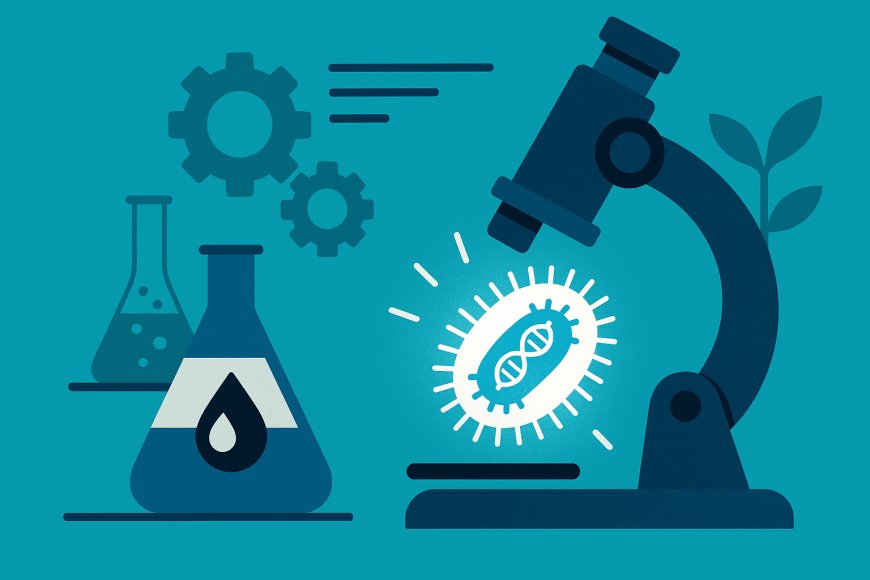
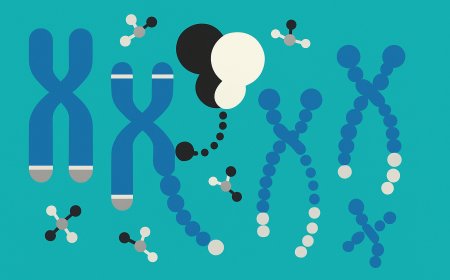
Imagine a world where microorganisms are designed to produce renewable energy, detoxify pollutants, and even manufacture medicine. Welcome to synthetic biology, a discipline that melds the precision of engineering with the complexity of biological systems. A recent experiment at a leading research institution achieved a groundbreaking feat: the creation of a microorganism capable of synthesizing a previously unproducible biofuel. By weaving synthetic pathways into the microbe's genome, scientists unlocked new potential in sustainable energy.


The implications of such innovations are vast, stretching across sectors like agriculture and healthcare. Consider a genetically engineered bacterium that can outcompete harmful strains in crops, reducing reliance on chemical pesticides. Researchers have meticulously designed genetic circuits that enable these bacteria to sense environmental changes and respond accordingly, ensuring optimal performance. This level of control is unprecedented, promising a future where agricultural sustainability is driven by intelligent biological solutions.
Modular Genetic Circuits: The Blueprint for Innovation
At the heart of synthetic biology is the concept of modular genetic circuits. Just as an electronic engineer assembles devices from basic components, bioengineers create complex biological behaviors from standardized genetic parts. In a typical laboratory setting, scientists construct these circuits using sequences like promoters, ribosome binding sites, and coding regions, allowing them to orchestrate cellular functions with precision.
In a recent case study, a group of synthetic biologists developed a genetic circuit that transforms bacterial cells into miniature diagnostic devices. These cells can detect the presence of a specific pathogen by producing a visual signal, such as a fluorescent protein. This innovation offers a low-cost, rapid means of diagnosing diseases in remote areas, potentially revolutionizing global health diagnostics.
Another application of modular circuits is in the realm of biomanufacturing, where engineered yeast strains produce valuable compounds like pharmaceuticals and biofuels. The ability to fine-tune metabolic pathways through genetic circuitry allows for the optimization of yield and efficiency, making sustainable production a tangible reality.
Ethical Considerations and Future Prospects
While the technological advancements in synthetic biology are profound, they are not without ethical implications. The power to redesign life raises questions about biosafety, biosecurity, and the moral dimensions of genetic manipulation. In an ethical deliberation scenario, a research consortium debated the deployment of genetically modified organisms in open ecosystems, weighing potential benefits against ecological risks.
The regulatory landscape is evolving in response to these challenges. Policies must balance innovation with precaution, ensuring that synthetic biology applications are both safe and responsible. International collaborations are forming frameworks to govern the use and dissemination of bioengineered organisms, exemplifying a proactive approach to emerging biotechnologies.
Looking ahead, the horizon of synthetic biology is limitless. As the field matures, we can anticipate breakthroughs that further integrate engineering principles into biological contexts, perhaps even blurring the line between machine and organism. This fusion of disciplines could lead to unprecedented advancements in personalized medicine, environmental restoration, and beyond.
In essence, synthetic biology exemplifies the art of engineering living systems. It challenges our understanding of life and its potential, offering a canvas upon which the future of science and technology will be painted. As we stand on the cusp of this new era, the possibilities are as boundless as our imagination.
What's Your Reaction?