
















































































Synthetic Biology and the Emergence of Programmable Cells
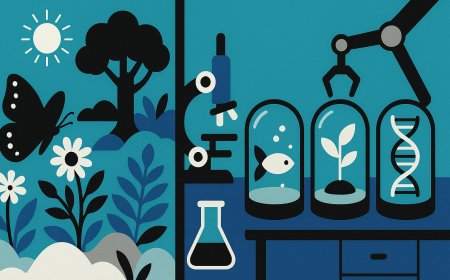
Synthetic biology has enabled the creation of programmable cells, revolutionizing applications in medicine, environmental science, and biotechnology. By designing genetic circuits, scientists can control cellular behavior, enabling tailored responses to specific stimuli. This allows for targeted drug delivery, biodegradation of pollutants, and more efficient biofuel production. The field merges biological knowledge with engineering principles, creating a platform for customizable and robust biological systems. As technology advances, the potential for programmable cells to address global challenges grows, offering a glimpse into a future where biology can be engineered with precision and purpose.

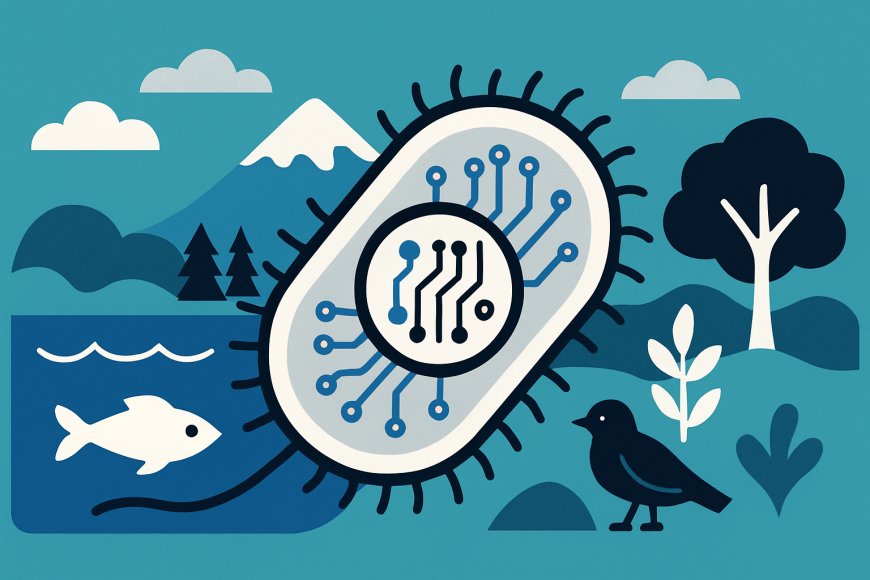
Imagine a scenario where cells in the human body could be programmed much like a computer, executing precise functions in response to specific conditions. This is not a distant science fiction vision, but rather the burgeoning reality made possible by synthetic biology. By harnessing the principles of genetic engineering, scientists are now capable of designing cellular systems that perform complex tasks, blurring the lines between biology and technology.


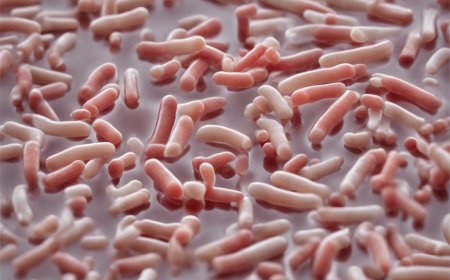
At the core of this revolution is the concept of genetic circuits, which are akin to electronic circuits used in computers. These genetic circuits are composed of DNA sequences that operate as switches and logic gates, enabling cells to process information and make decisions. For instance, in a studied experiment at a leading biotechnology institute, researchers engineered E. coli bacteria to detect and respond to heavy metal contaminants in water. By incorporating a genetic circuit that triggers a color change in the presence of these metals, the bacteria acted as living sensors, offering a glimpse into practical applications of programmable cells.
The potential applications of programmable cells are vast and varied. In medicine, they hold the promise of revolutionizing drug delivery systems. By creating cells that can home in on specific disease markers and release therapeutic agents directly at the site of action, synthetic biology offers a path to more targeted and effective treatments with reduced side effects. Consider a hypothetical clinical trial where engineered T-cells are programmed to identify and destroy cancer cells without harming healthy tissue. This level of precision could transform cancer therapy, providing personalized treatments that adapt to the unique genetic profile of each patient.
Designing Genetic Circuits for Precision
Designing genetic circuits involves a meticulous process of selecting and arranging genetic elements to produce a desired behavior in cells. The process begins with identifying the specific function the cell needs to perform, akin to defining the software for a computer application. Scientists then engineer DNA sequences that will regulate the cell’s internal processes, ensuring it can interpret external signals and respond appropriately.
Consider a metabolic engineering project where yeast cells are engineered to produce biofuels. Researchers must design genetic circuits that optimize the metabolic pathways, enhancing the production of ethanol while minimizing by-products. This involves not only identifying key pathways but also ensuring their efficient integration within the cell's existing network. Such precision engineering requires a deep understanding of both the biological systems in play and the principles of circuit design, illustrating the interdisciplinary nature of synthetic biology.
Challenges in this domain include ensuring the stability and reliability of the genetic circuits over time. Biological systems are inherently dynamic, and maintaining the desired function amidst fluctuating environmental conditions is a significant hurdle. In a recent field study, engineered algal cells designed to fix atmospheric carbon demonstrated the critical need for robust circuit designs that withstand natural variability. These insights drive ongoing research into developing more resilient and adaptable genetic circuits.
Applications in Environmental Science
One of the most promising areas for programmable cells is environmental science. The capability to engineer cells that can detect and degrade pollutants opens new avenues for ecosystem restoration and management. In a pioneering project, a team of environmental biotechnologists developed bacteria capable of breaking down oil spills. These engineered microbes were equipped with genetic circuits that enabled them to metabolize hydrocarbons, turning hazardous waste into less harmful compounds.
Such applications extend to agriculture, where programmable cells can enhance soil fertility or protect crops from pathogens. Imagine an agricultural system where engineered bacteria monitor soil health, releasing nutrients only when deficits are detected. This would lead to more sustainable farming practices, reducing reliance on chemical fertilizers and minimizing environmental impact. The intersection of synthetic biology and environmental science holds the potential to address critical issues like pollution and resource scarcity.
As programmable cells advance, ethical considerations regarding their deployment in natural ecosystems become increasingly pertinent. Responsible research and implementation strategies must be developed to ensure these technologies contribute positively to environmental preservation without unintended consequences.
Future Prospects and Ethical Considerations
The future of synthetic biology and programmable cells is one of immense potential and equally significant ethical considerations. As the technology progresses, the ability to engineer life with precision offers solutions to some of humanity's greatest challenges, from disease to pollution. However, it also raises questions about the role of humans in nature and the potential for unintended ecological impacts.
The path forward involves not only scientific innovation but also a thoughtful dialogue on the ethical dimensions of manipulating living systems. By fostering interdisciplinary collaboration and public engagement, synthetic biology can be directed towards beneficial outcomes, balancing technological advancement with ecological integrity.
What's Your Reaction?