




















































































Policy Implications of Neuroscience in Criminal Justice
Recent advancements in neuroscience present significant implications for policy-making within the criminal justice system. Brain imaging technologies provide insights into behavioral patterns, challenging traditional punitive approaches and advocating for reformative strategies that focus on rehabilitation.

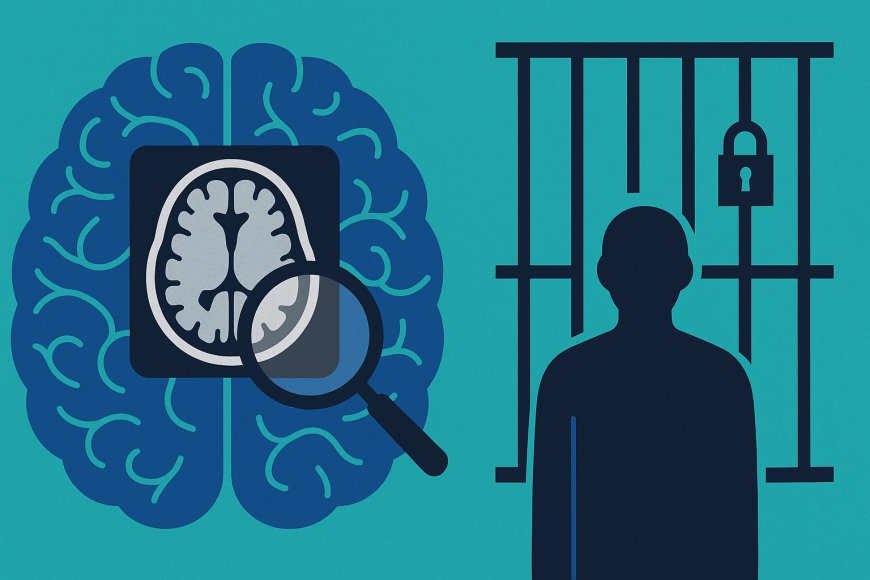
In the courtroom, where decisions are often made based on interpretations of human behavior, a new player is emerging. Advances in neuroscience have begun to permeate the legal system, offering fresh perspectives on culpability and intent. The utilization of brain imaging technologies proposes not merely a deeper understanding of the human mind but calls into question the very foundations of criminal responsibility. This intersection of neuroscience and law is not merely academic; it holds tangible policy implications that could reshape the future of criminal justice.


Consider a hypothetical legal case where an individual is accused of a violent crime. Traditional evidence points to clear intent and premeditation, yet neurological scans reveal significant abnormalities in brain regions associated with impulse control. Such insights could challenge the notion of criminal intent, introducing questions about the fairness and appropriateness of punitive measures. Instead of a retributive approach, this scenario invites a more nuanced view of justice, focusing on rehabilitation and treatment of underlying neurological issues.
Neuroscience and Legal Accountability
The integration of neuroscience into the legal discourse challenges the conventional understanding of accountability. Historically, criminal law operates on the presumption that individuals possess free will and are responsible for their actions. Neuroscientific findings complicate this premise by illustrating the degree to which behavior may be influenced by factors beyond conscious control. For instance, research in the field of behavioral neuroscience has identified specific brain structures that, when impaired or underdeveloped, correlate with increased aggression and reduced inhibition.
In a typical study, researchers might use functional magnetic resonance imaging (fMRI) to examine the brain activity of individuals with a history of criminal behavior. Findings often reveal abnormalities in the prefrontal cortex, a region critical for impulse regulation and decision-making. When introduced as mitigating evidence in legal proceedings, such data can sway judicial outcomes, potentially reducing sentences or altering punishment strategies. This poses a critical question for policymakers: should neurological deficits be factored into assessments of legal responsibility?
The implications extend beyond individual cases. At the policy level, incorporating neuroscientific evidence calls for a reevaluation of sentencing laws and correctional strategies. It suggests a shift from punitive justice to rehabilitative approaches that consider the biological underpinnings of behavior. This evolution in policy would necessitate investment in treatment programs that address neurological health alongside traditional legal sanctions.
Ethical Considerations and Public Policy
While the incorporation of neuroscience into legal proceedings offers opportunities for more informed decision-making, it also raises profound ethical questions. The potential for misuse of neuroscientific data in criminal justice settings cannot be ignored. There is a danger that brain imaging could be used to stigmatize or discriminate against individuals with certain neurological profiles, leading to biased legal judgments.
In a theoretical examination, one might envision a legal system that overemphasizes biological determinants of behavior, thereby undermining human agency and moral accountability. Policymakers must navigate this terrain carefully, ensuring that scientific evidence complements, rather than supplants, traditional legal principles. This requires a balanced approach that respects the complexity of human behavior while acknowledging the insights provided by neuroscience.
Public policy must also address the accessibility and interpretation of neuroscientific evidence. The unequal distribution of resources means that not all defendants can afford sophisticated neurological assessments, raising concerns about equity and justice. Policies that ensure equal access to neuroscientific evaluations can help mitigate these disparities, promoting a more equitable legal process.
Reformative Strategies in Criminal Justice
The introduction of neuroscience into criminal justice is not solely a legal concern; it is a call to reimagine reformative strategies within the system. Traditional correctional facilities often fail to address the neurobiological factors contributing to criminal behavior. As neuroscientific research progresses, it presents compelling evidence for the integration of mental health interventions and neurological treatments in correctional settings.
Consider a program where individuals with identified neurological impairments receive targeted therapies designed to enhance cognitive and behavioral functions. Such interventions could include cognitive-behavioral therapy, neurofeedback, and pharmacological treatments aimed at stabilizing neural activity. Evidence from pilot programs suggests that these approaches can reduce recidivism rates, offering a more sustainable solution to crime prevention.
Policy reform in this context involves collaboration between legal, medical, and social sectors to establish comprehensive treatment paradigms that prioritize rehabilitation over punishment. Legislative bodies need to adopt policies that promote interdisciplinary research, encourage the development of innovative rehabilitation programs, and allocate funding towards neurobiological research relevant to criminal behavior.
The future of criminal justice lies in its ability to adapt to these scientific advancements. By acknowledging the role of neuroscience in shaping behavior, the legal system can evolve to become more just and effective, balancing punishment with rehabilitation in a manner that reflects the complexity of human cognition.
The integration of neuroscience into criminal justice policy holds transformative potential. As research continues to uncover the intricate links between brain function and behavior, the legal system faces a pivotal choice: to remain static or to embrace these insights, fostering a justice system that is both fair and forward-looking. This choice will define the evolution of justice in the coming decades, underscoring the importance of informed and ethical policy-making.
What's Your Reaction?