












































































Political Algorithms: The Intersection of Social Bias and Computational Models
Political algorithms are transforming governance, yet their design often reflects social biases. By analyzing computational models' influence on political decision-making, we uncover the subtle interplay of technology and societal bias, providing a framework for more equitable algorithmic governance.


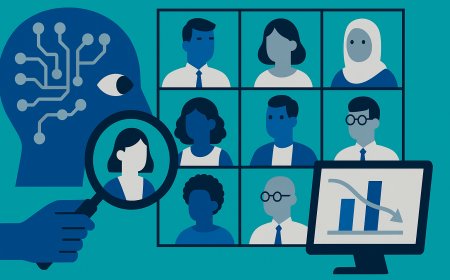
In the modern era of governance, algorithms are not mere technical tools but powerful arbiters of political decisions. The increasing reliance on computational models to shape public policies and electoral outcomes raises profound questions about social biases embedded within these algorithms. Consider a scenario in which a city deploys an algorithmic system to allocate public resources. Unexpectedly, certain neighborhoods consistently receive fewer resources than others. This discrepancy often traces back to biases encoded inadvertently within the algorithm's design, reflecting societal prejudices.


Bias in Algorithmic Design: A Subtle Intrusion
Bias in computational systems is not a byproduct of malevolence but often the result of historical data patterns. When an algorithm draws from data that mirrors societal inequities, such as biased crime statistics or skewed socioeconomic indicators, it perpetuates these biases. In a typical observational study on public resource allocation, researchers observe that algorithms trained on biased datasets systematically favor affluent neighborhoods. This favoritism highlights the latent biases in data collection and algorithmic processing, which is intrinsically tied to historical and systemic prejudices.
Consider an experimental setup where a political campaign uses an algorithm to target advertisements. The algorithm, trained on past election data, amplifies messages to demographics historically more likely to vote. However, this approach marginalizes communities with lower historical turnout, reinforcing existing political disengagement. By not addressing these biases, political campaigns risk perpetuating the disenfranchisement of underrepresented groups, thus skewing democratic processes.
Addressing algorithmic bias requires a methodical reevaluation of the data sources. In a case study involving healthcare resource distribution, researchers implemented bias-detection mechanisms in data preprocessing stages. By recalibrating the algorithm with unbiased datasets, they significantly reduced disparities in resource allocation. This proactive stance not only neutralizes the effects of biased training data but also sets a precedent for future algorithmic transparency and equity.
Political Influence through Algorithmic Decisions
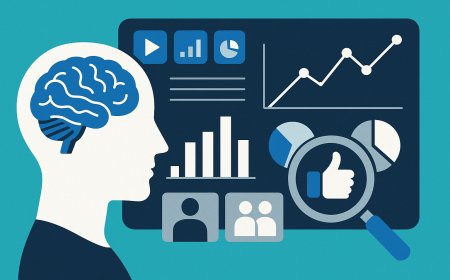
Algorithms extend their influence beyond resource allocation, entering the intricate sphere of political decision-making. In a behavioral experiment analyzing voter behavior, researchers deployed an algorithm to recommend political content based on individual preferences. The experiment revealed that users exposed to content aligned with their biases were significantly less likely to engage with opposing viewpoints. This phenomenon, known as algorithmic echo chambers, amplifies political polarization by reinforcing pre-existing beliefs.
Consider the role of algorithms in redistricting processes. When computational models assist in drawing electoral district boundaries, the risk of gerrymandering increases if the algorithms are not meticulously designed to be impartial. By using historical voting patterns as input, these models can inadvertently favor one political group over another, undermining the democratic principle of fair representation.
To mitigate such risks, transparency in algorithmic decision-making processes is paramount. In a transparent governance model, researchers advocate for algorithmic audits and public accessibility to decision-making criteria. Such initiatives not only foster trust in the political process but also promote accountability. When citizens understand the computational rationale behind political decisions, they are more likely to trust the outcomes, leading to enhanced civic engagement.
Future Directions: Towards Equitable Algorithmic Governance
The intertwining of political processes and computational models calls for an innovative approach to algorithmic design. This approach emphasizes fairness and equity, striving to eliminate entrenched biases. Imagine a future where algorithms are not static but adaptive, continuously learning from unbiased datasets and community feedback. Such systems would dynamically adjust to reflect societal changes, ensuring fair resource distribution and equitable political representation.
The path forward involves interdisciplinary collaboration among data scientists, sociologists, and policymakers. By integrating diverse perspectives, the development of equitable algorithmic models can be realized. As these collaborations evolve, they hold the potential to redefine the intersection of technology and politics, catalyzing a new era of inclusive governance. Embracing this complexity will be essential in navigating the political landscapes of tomorrow, where algorithms not only serve but empower democratic ideals.
What's Your Reaction?