




















































































Rethinking Wellness: The Role of Microbiota in Chronic Stress
Recent research challenges traditional views on stress by highlighting the significant role microbiota play in its management. The gut-brain axis, a communication network between the gut and the brain, might hold the key to understanding and mitigating chronic stress. Through experimental studies and innovative methodologies, scientists explore how gut health impacts mental resilience and stress responses. This perspective suggests that by nurturing our microbiota, we could revolutionize wellness approaches and enhance mental health strategies, shifting the focus to a more integrated view of human physiology.

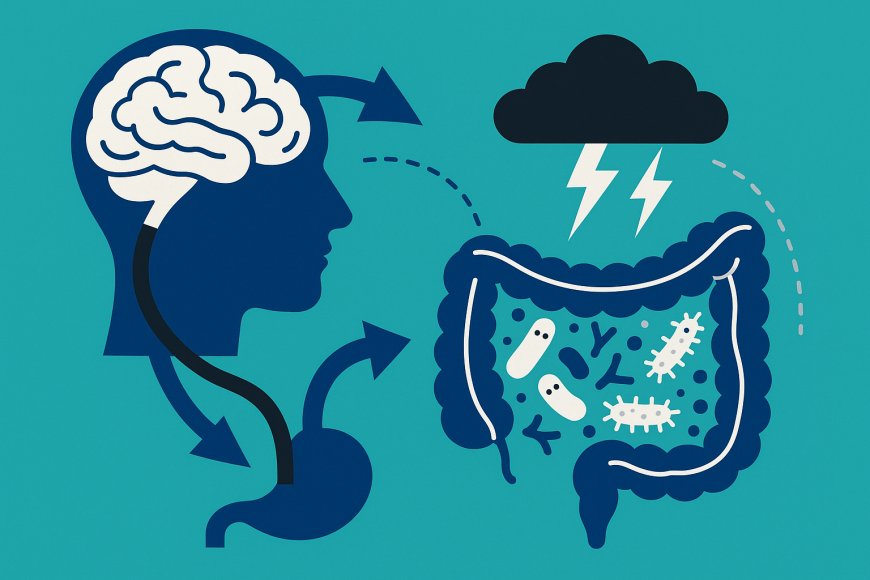
In a laboratory setting, a group of scientists noticed an unexpected trend: the gut microbiota of individuals under chronic stress displayed unique patterns. This finding prompted a reevaluation of how stress is traditionally understood and managed. The gut-brain axis, a communication network that links the gastrointestinal tract with the central nervous system, is increasingly seen as a pivotal player in the body's stress response mechanisms. Recent studies indicate that the microbiota—comprising trillions of microorganisms residing in the human gut—may significantly influence stress pathways.


Consider an experimental setup where two groups of mice are subjected to identical stressors. One group receives a diet supplemented with probiotics known to enhance gut health, while the other serves as a control. Over several weeks, researchers measure various indicators of stress, such as cortisol levels and behavior changes. Results consistently show that mice with enriched gut microbiota exhibit improved stress resilience and lower cortisol levels compared to their counterparts. These observations suggest that dietary interventions targeting the microbiota may offer a novel strategy for managing stress.
Understanding the Gut-Brain Axis
The gut-brain axis operates through a complex interplay of neural, hormonal, and immune pathways. Research at academic institutions has shown that the vagus nerve—a critical component of this axis—facilitates bidirectional communication between the gut and the brain. Microbiota produce metabolites that influence neurotransmitter systems, thereby affecting mood and behavior.
In clinical trials, participants receiving specific probiotic strains report reduced symptoms of anxiety and depression. Such findings underscore the potential of microbiota-targeted therapies in enhancing mental health. These bacteria-derived compounds modulate immune responses, decrease inflammation, and alter brain function, suggesting that the microbiota's role extends beyond digestion, reaching into the realms of mental health and emotional well-being.
Researchers employ techniques such as next-generation sequencing to map the composition of gut microbiota in stressed versus non-stressed populations. This approach reveals significant differences, with stressed individuals showing reduced microbial diversity. Such insights open new avenues for therapeutic interventions aimed at restoring microbial balance as a means of promoting resilience to stress.
Implications for Mental Health Strategies
The implications of these findings for mental health strategies are profound. Traditional stress management techniques focus on psychological interventions or pharmacological approaches, often neglecting the physiological components. By integrating microbiota-focused therapies, it may be possible to enhance these strategies with a biological basis for improving mental resilience.
Imagine a mental health program that includes dietary modifications alongside cognitive behavioral therapy. Such an integrative approach might yield better outcomes for stress reduction by addressing both the mind and the body. In this context, the role of nutritionists, psychologists, and medical practitioners becomes interconnected, working collaboratively to design personalized wellness plans.
As researchers continue to unravel the microbiota's influence on stress, the potential for developing prebiotics and probiotics tailored to individual microbiomes becomes increasingly viable. Such precision medicine approaches could redefine how clinicians address chronic stress, offering personalized solutions that adapt to each patient's unique microbiota profile.
Nurturing the Microbiota for Enhanced Well-being
The potential of microbiota in enhancing well-being extends beyond stress management. By maintaining a healthy gut environment, individuals can potentially impact various aspects of their health, from metabolic function to immune system efficiency.
Conceive of a public health initiative focused on educating communities about the importance of gut health for overall wellness. Such programs could promote dietary habits that support microbiota diversity, emphasizing the consumption of fiber-rich foods, fermented products, and other microbiome-friendly nutrients.
The future of wellness may well hinge on our understanding of the microbiota's role in human health. As the scientific community continues to explore this dynamic field, the integration of microbiome science into health strategies promises to revolutionize how we perceive and manage stress, moving towards a more holistic understanding of human physiology.
Looking ahead, harnessing the power of microbiota could lead to breakthroughs in stress management and mental health. By nurturing our internal ecosystems, we might unlock new dimensions of resilience and wellness, changing the way we approach health forever.
What's Your Reaction?