

















































































Harnessing the Power of Neuromorphic Computing in Computer Engineering
Neuromorphic computing, inspired by the human brain, represents a pioneering approach in computer engineering that promises transformative computational efficiencies. This approach leverages brain-like structures to optimize power efficiency and processing capabilities. By mimicking neural architectures, neuromorphic systems offer insights into solving complex problems with minimal energy consumption. This exploration highlights the potential of neuromorphic hardware in revolutionizing AI applications, offering profound implications for future technological advancements in various fields, from robotics to data processing.

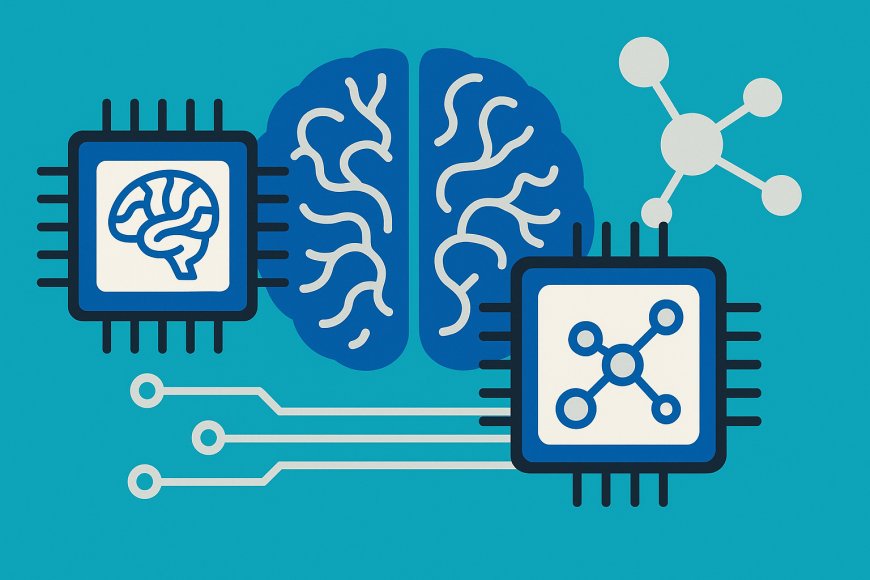
In the dawn of a new era of computing, neuromorphic engineering emerges as an avant-garde discipline, drawing inspiration from the intricate workings of the human brain. Unlike conventional computer architectures, which process information through deterministic binary sequences, neuromorphic systems emulate the neural structures of biological brains, enabling incredibly efficient information processing with reduced power consumption. This paradigm shift has the potential to revolutionize how computational tasks are executed, particularly in fields demanding extensive parallel processing capabilities.


Imagine a computational task requiring the identification of patterns within massive datasets—a typical scenario in artificial intelligence. Traditional systems, while powerful, often grapple with the inefficiencies of processing such data. In contrast, neuromorphic computing, by design, mirrors the parallel and distributed nature of neural systems, offering a blueprint for managing such tasks with unparalleled efficiency. These systems operate on the principles of spiking neural networks, where information is transmitted via spikes akin to neuronal activity, allowing for more natural and energy-efficient processing.
Principles of Neuromorphic Computing
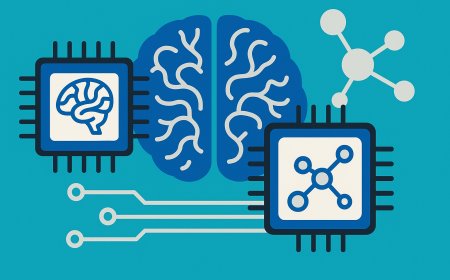
Neuromorphic computing fundamentally challenges the von Neumann architecture, which separates memory and processing units—a stark contrast to the interconnectedness seen in neural networks. This architecture is inspired by synaptic plasticity, where synapses strengthen or weaken over time, adapting to new information and stimuli. In a typical setup, neuromorphic chips mimic these biological processes using electronic circuits that replicate the firing and adaptation of neurons and synapses.
Consider an experimental setup where neuromorphic chips are tasked with recognizing human emotions through facial expression analysis. Functioning as an interconnected web of artificial neurons, these chips dynamically adjust their synaptic weights, learning to distinguish subtle emotional cues from facial data. This is achieved with a fraction of the energy and time traditional systems would require, showcasing the potential for real-time applications across varied domains.
Notably, the ability of neuromorphic systems to handle noise and ambiguity within datasets aligns closely with human cognitive processes. This resilience against errors is pivotal in environments where data integrity cannot be guaranteed. Moreover, the analog nature of neuromorphic circuits, as opposed to digital systems, enables smooth transitions between states, enhancing fault tolerance during computation.
Impact on Artificial Intelligence and Robotics
The implications of neuromorphic computing extend far beyond mere power efficiencies. In artificial intelligence, this approach offers a promising avenue to achieve general intelligence by integrating learning mechanisms reminiscent of human cognition. This positions neuromorphic systems as potential game-changers in the development of autonomous machines capable of adaptive learning without exhaustive computational resources.
In a robotics application, envision autonomous drones navigating complex environments. Conventional systems might struggle with the computational load required for real-time decision-making. However, neuromorphic processors, by simulating a brain-like approach to information processing, can significantly enhance the drone's ability to interpret surroundings and adapt to dynamic obstacles with minimal latency.
Moreover, neuromorphic chips foster the integration of sensory data, akin to how humans process multisensory information. This capability is crucial for developing robots that can interact seamlessly with humans, interpreting nuanced cues from auditory and visual inputs to perform complex tasks with contextual awareness.
Future Prospects in Computational Models
The future of neuromorphic computing lies in its potential to redefine computational models by harmonizing biological principles with silicon-based technology. As the miniaturization of electronic components continues, neuromorphic chips are poised to become more ubiquitous, finding applications in everything from consumer electronics to large-scale data centers.
One anticipates a future where neuromorphic processors enable energy-efficient, on-device computation for mobile and wearable technology, allowing users to leverage sophisticated AI functionalities without reliance on cloud-based infrastructure. This decentralization of computing resources marks a paradigm shift in how computational power is harnessed and utilized.
Ultimately, the integration of neuromorphic principles into mainstream computing heralds a transformative evolution in technological capability. As the boundaries between artificial and natural intelligence blur, the promise of neuromorphic systems lies in their ability to offer insights not only into advancing machine intelligence but also into unlocking the mysteries of human cognition itself.
As we look towards the horizon, the advancements in neuromorphic computing inspire a future where technology and biology converge seamlessly, suggesting a world where machines think, learn, and adapt with an intelligence that mirrors our own.
What's Your Reaction?