




































































Causality in Upskilling: Rethinking Learning Pathways
Understanding the causal mechanisms within upskilling can redefine educational strategies and adult learning. By dissecting traditional and novel learning pathways and their impacts on skill acquisition, researchers aim to optimize educational frameworks for future demands.

In an era where technological advancements continuously reshape the professional landscape, the concept of upskilling has gained paramount importance. Upskilling refers to the process of learning new skills or enhancing existing ones, often with the goal of adapting to changing job requirements. But what drives effective upskilling? Understanding the causal mechanisms behind successful skill acquisition could revolutionize educational strategies, particularly in adult education.


Consider a scenario in which a group of mid-career professionals participate in a year-long upskilling program designed to integrate artificial intelligence methodologies into corporate decision-making processes. At the end of the program, some participants demonstrate significant improvement in their capabilities, while others do not. Why such disparity? The answer may lie in the intersection of cognitive load theory and individualized learning pathways.
Dissecting Traditional and Novel Learning Pathways
Traditional educational paradigms often follow a linear trajectory: structured curricula, standardized testing, and uniform progression. However, such one-size-fits-all approaches may not be well-suited for adult learners, whose cognitive and experiential backgrounds vary widely. Cognitive load theory suggests that the brain can only process a limited amount of information at once. Overloading it with complex, unfamiliar content may hinder learning rather than foster it.
In a typical observational study examining adult education, researchers might track a cohort of learners through a curriculum emphasizing rote memorization of technical jargon versus another curriculum focused on problem-solving and project-based learning. The latter, representing a novel learning pathway, could cater better to adult learners by engaging them in contextually relevant projects that mirror real-world applications, thereby reducing extraneous cognitive load and enhancing skill retention.
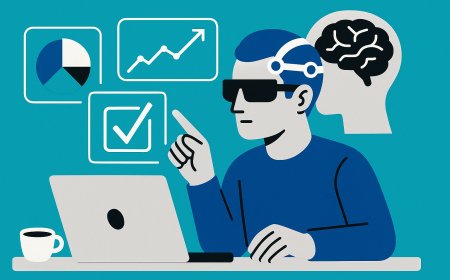
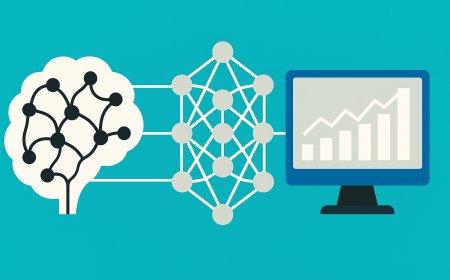
Novel methodologies, such as personalized learning pathways, are gaining traction. These approaches involve tailoring educational experiences to individual strengths, weaknesses, and interests. For instance, adaptive learning platforms utilize artificial intelligence to adjust the learning content in real-time, ensuring that learners remain motivated and challenged without being overwhelmed. Such systems could revolutionize upskilling by providing a more nuanced, responsive educational experience that aligns with individual learning curves.
Cognitive and Social Influences on Skill Acquisition
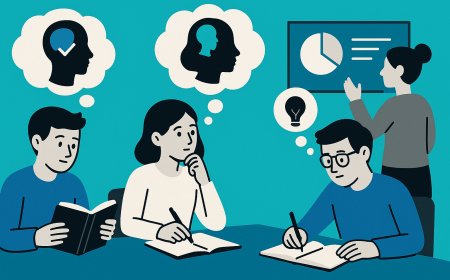
Skill acquisition is not solely an individual's cognitive endeavor. Social factors also play a crucial role. In a controlled experiment where adult learners engage in collaborative versus solitary learning environments, those in collaborative settings may show greater improvement in skill acquisition. The theory of social learning posits that interaction with others can enhance understanding and retention of new concepts. Peers serve not only as sources of knowledge but also as motivators, providing feedback and encouragement.
Consider a behavioral experiment where two groups of learners tackle identical tasks. One group works independently, while the other collaborates using digital tools to communicate and share insights. The collaborative group may outperform the solitary one, highlighting the importance of social dynamics in effective upskilling. These findings suggest that incorporating collaborative elements into upskilling programs could enhance overall learning outcomes.
Moreover, cognitive diversity within learning groups can lead to more effective problem-solving. When learners with varied backgrounds and perspectives collaborate, they are more likely to generate innovative solutions, fostering a deeper understanding of complex topics. Upskilling programs that embrace such diversity not only enhance individual skill sets but also prepare learners for collaborative work environments.
Evaluating the Impact of Upskilling Initiatives
The effectiveness of upskilling initiatives is often gauged through traditional metrics such as test scores and completion rates. However, these might not fully capture the long-term impact and relevance of the skills acquired. Longitudinal studies tracking the career trajectories of participants in various upskilling programs could provide a more holistic view.
In a longitudinal study spanning several years, researchers might analyze the professional growth and adaptability of individuals who have undergone upskilling. Participants could be evaluated on their ability to transition into new roles, their problem-solving capabilities, and their overall job satisfaction. Such metrics could offer deeper insights into the true value of upskilling beyond immediate knowledge acquisition.
Ultimately, understanding the causality behind successful upskilling could reshape educational frameworks. By focusing on personalized learning pathways and integrating cognitive, social, and motivational factors into program designs, educational institutions and corporations can optimize skill development initiatives to meet future demands.
As we look toward the future, the need for adaptable and personalized upskilling pathways becomes increasingly evident. The shift from traditional, linear education models to dynamic, individualized learning experiences will demand innovative approaches grounded in a deep understanding of learning psychology and social dynamics. By continuing to explore and refine these approaches, we can better prepare the workforce for the multifaceted challenges of tomorrow's job market, ensuring that individuals not only survive but thrive in an ever-evolving professional environment.
What's Your Reaction?