









































































Neural Pathways to Career Growth: A Scientific Investigation
This article explores the neural mechanisms underlying career growth, focusing on cognitive pathways and learning processes. Using scientific methodologies, it examines how skill acquisition and cognitive flexibility contribute to professional advancement. By showcasing experimental setups and case studies, it provides a unique perspective on optimizing personal and career development through enhanced cognitive understanding.

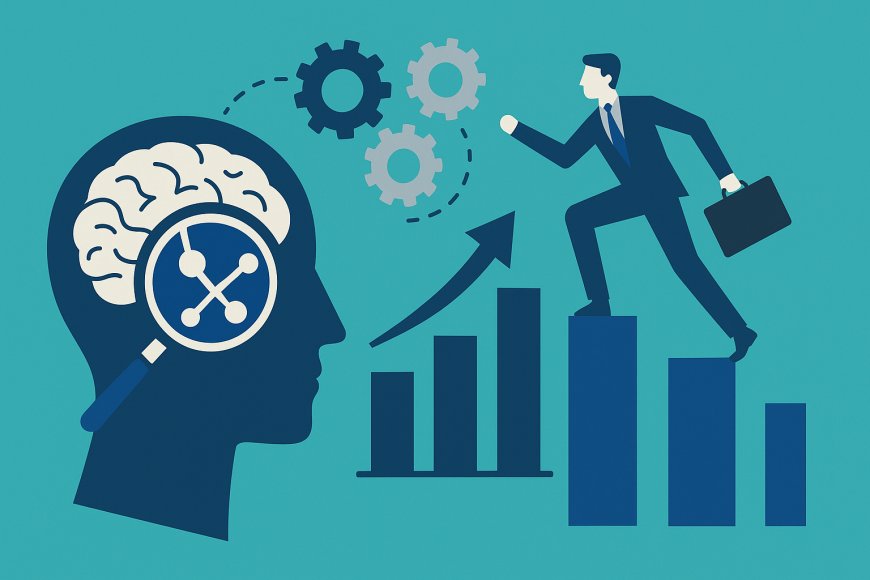
The art of career growth is not merely driven by ambition or opportunity alone; it is deeply intertwined with the intricate functions of the brain. In recent scientific endeavors, researchers have sought to uncover the neural pathways that govern professional development, offering insights into how we can optimize our cognitive processes for personal advancement. This exploration delves into the brain's role in learning and adaptation, providing a scientific framework for understanding career trajectories through the lens of cognitive science.


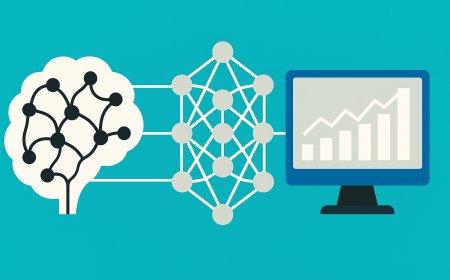
Consider a controlled study within a corporate training environment. Participants engage in a series of tasks designed to measure cognitive flexibility and skill acquisition over time. Neuroimaging techniques are employed to track changes in brain activity, capturing the dynamic neural adaptations that correlate with improved performance and skill mastery. These data reveal a specific neural circuitry, primarily involving the prefrontal cortex and basal ganglia, that becomes more engaged as individuals advance in their training. This evidence suggests that targeted cognitive exercises can enhance neural plasticity, thereby accelerating career growth.
The Cognitive Foundations of Skill Acquisition
Skill acquisition is a foundational element of career growth, rooted in the brain's ability to adapt and learn. In a typical longitudinal study, individuals are assessed over several months as they acquire new skills relevant to their professional fields. Functional MRI scans reveal a pattern of increased neural activity in the motor cortex, indicating the brain's response to repeated practice and refinement of skills. This is complemented by changes in the dorsolateral prefrontal cortex, a region associated with planning and decision-making.
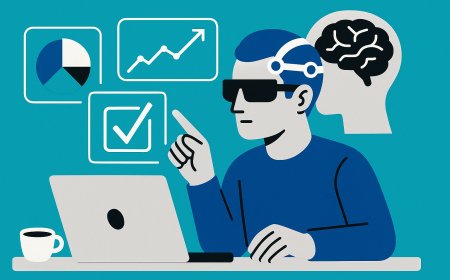
In an experimental setup, subjects are divided into two groups: one receiving traditional training and the other utilizing neurofeedback to enhance learning outcomes. The group with neurofeedback demonstrates a significant improvement in skill acquisition and retention, as seen in post-training assessments. These findings underscore the brain's capacity for learning and the potential of innovative techniques to harness this ability, ultimately facilitating career advancement through enhanced skill mastery.
Moreover, the concept of "chunking"—the brain's method of organizing information into manageable units—plays a critical role in this process. By breaking down complex tasks into smaller, more digestible parts, individuals can improve retention rates and rapidly develop expertise. This cognitive strategy is vital for professionals in fast-paced environments, where the ability to quickly assimilate new information can define success or failure.
Neuroplasticity and Career Flexibility
Neuroplasticity, the brain's ability to reorganize itself by forming new neural connections, is a key player in career flexibility. In a novel laboratory experiment, subjects are exposed to varied problem-solving scenarios, prompting adaptive responses from their neural networks. PET scans capture the brain's evolving structure as it adapts to new challenges, highlighting areas of heightened neuroplasticity.
This adaptability is crucial for career growth, especially in industries subject to rapid technological change. By fostering an environment that encourages continuous learning and cognitive flexibility, individuals can maintain relevance and seize emerging opportunities. A case study in the tech industry illustrates this point: professionals who regularly engage in cross-disciplinary learning exhibit more robust neural networks, enabling them to pivot effectively in response to shifts in market demands.
Furthermore, the interaction between emotional intelligence and cognitive flexibility is significant. Emotional regulation, facilitated by the amygdala and anterior cingulate cortex, supports effective decision-making in high-pressure situations. By managing stress and maintaining focus, individuals can better navigate the complexities of career development, leveraging their cognitive strengths to achieve long-term objectives.
Cognitive Strategies for Optimal Career Growth
To harness the brain's potential for career growth, targeted cognitive strategies are imperative. In a controlled experiment within a professional development program, participants practice mindfulness techniques aimed at enhancing focus and reducing cognitive load. EEG readings show decreased beta-wave activity, indicative of reduced stress and increased concentration, leading to improved task performance.
Mindfulness and metacognitive strategies—thinking about one's thinking—equip individuals to manage cognitive resources efficiently. By fostering self-awareness and reflective practices, professionals can identify cognitive biases and adapt their strategies, optimizing performance and career advancement. This proactive approach aligns cognitive functions with career goals, ensuring sustained progress and personal fulfillment.
In summary, the scientific exploration of neural pathways and cognitive processes offers a transformative perspective on career growth. By understanding and leveraging the brain's inherent capabilities, individuals can strategically enhance their professional trajectories. As we continue to unravel the complexities of the human brain, new methodologies will emerge, further refining our approach to personal and career development.
Looking forward, the intersection of neuroscience and career growth promises to yield innovative solutions for personal advancement. As we integrate these insights into educational and professional settings, the potential for optimizing human potential becomes increasingly tangible, paving the way for a future where cognitive science is at the forefront of career strategy.
What's Your Reaction?