
















































































AI-Driven Anatomical Mapping: Transforming Medical Research and Diagnostics
Recent advancements in AI-driven anatomical mapping are revolutionizing medical research and diagnostics. By leveraging machine learning, researchers are creating detailed, dynamic models of human anatomy, enhancing understanding of complex systems and enabling more efficient disease detection.

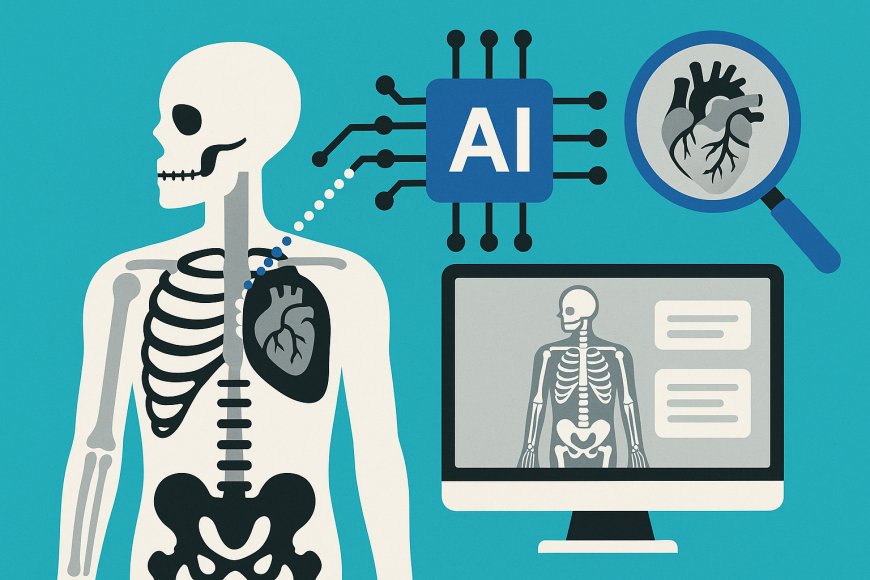
Imagine a world where diseases are identified before symptoms even appear. The fusion of artificial intelligence and anatomical mapping is edging us closer to this reality. By creating detailed models of human anatomy, researchers are transforming our approach to medical diagnostics. This intricate symbiosis of technology and biology is enabling the development of dynamic, intelligent maps that not only reflect the present state of anatomical structures but also predict potential health risks based on subtle, often unnoticed changes. This is not merely a theoretical endeavor but an emerging practice reshaping modern medicine.


In the early days of anatomical mapping, static images obtained via traditional imaging techniques like X-rays or MRIs provided limited insights. Today, AI is enriching this field by enabling dynamic and continuous monitoring of anatomical changes. By applying machine learning algorithms to vast datasets, researchers have managed to extract actionable insights that were previously hidden. These AI-powered models are not just static representations but evolving systems capable of learning and adapting, offering a more comprehensive view of human anatomy's complexities.
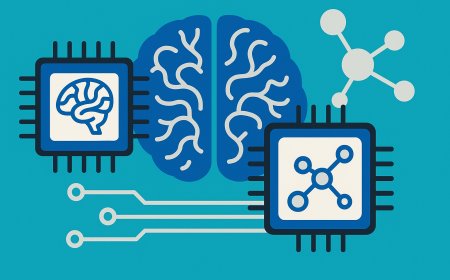
Consider a cutting-edge project where AI algorithms are applied to real-time MRI data to map the brain's neural pathways. This approach allows for the observation of neural activity and the detection of anomalies indicative of neurological disorders, potentially years before traditional symptoms appear. The implications for early intervention are profound, as these AI-driven insights can inform personalized treatment plans tailored to individual patients, significantly enhancing the effectiveness of medical interventions.
The Role of Machine Learning in Anatomical Mapping
Machine learning lies at the heart of AI-driven anatomical mapping. These algorithms can process and analyze enormous datasets, identifying patterns and correlations beyond human capability. A typical study might involve feeding vast amounts of imaging data into a neural network, which then discerns the minutiae that signify potential maladies. The accuracy and efficiency of such systems are stunning, often outperforming traditional diagnostic methods.
One notable application is in oncology, where AI models are used to map the subtle changes in tissue that could indicate cancerous growths. Unlike conventional methods that rely heavily on human expertise, AI systems can continuously learn from new data, refining their predictive capabilities. This continuous learning loop ensures that AI-driven tools are always improving, offering increasingly precise diagnostic capabilities.
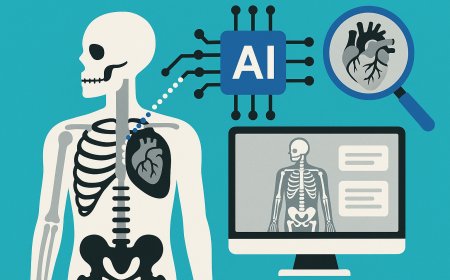
In another innovative project, researchers have employed machine learning to create a comprehensive digital twin of the cardiovascular system. By simulating how different factors like stress and diet might influence heart health, these models provide predictive insights into potential cardiac issues. Such simulations enable the preemptive identification and mitigation of risk factors, transforming preventive medicine by focusing on prediction rather than reaction.
Ethical and Practical Considerations
The application of AI in anatomical mapping is not without its ethical and practical challenges. Data privacy and security are paramount, as the sensitive nature of medical data necessitates rigorous protection measures. Researchers must navigate these challenges to ensure that patient information remains confidential and secure.
Moreover, the integration of AI into medical diagnostics raises questions about the role of human expertise. While AI can process and analyze data at unprecedented speeds, the interpretation of these results often requires a human touch. This collaborative approach ensures that AI serves as a tool to enhance, rather than replace, human judgment in medical decision-making.
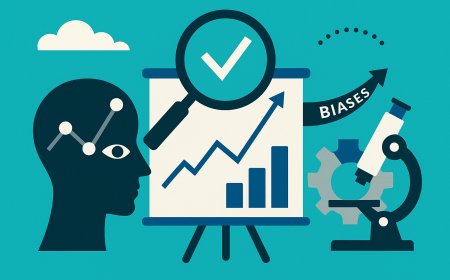
Training AI models requires vast amounts of high-quality data, and disparities in healthcare access could lead to biased datasets. Ensuring that AI systems are trained on diverse datasets is crucial to avoid reinforcing existing inequalities. By addressing these ethical concerns, researchers can develop more equitable AI-driven solutions that benefit all patients, regardless of socioeconomic status.
Future Implications of AI in Anatomical Mapping
The potential of AI-driven anatomical mapping is vast and largely untapped. As computational power increases and algorithms become more sophisticated, the ability to model complex biological systems with unprecedented accuracy will only improve. This will open new avenues in personalized medicine, allowing for treatments tailored to the unique anatomical and genetic makeup of each patient.
Looking ahead, AI could evolve to not only diagnose but also suggest potential treatments based on predictive models. Such an advancement would represent a significant leap in medical science, shifting the focus from treatment to prevention. The integration of AI into medical research promises not only to enhance our understanding of human biology but also to improve the quality of healthcare globally.
AI-driven anatomical mapping represents a pioneering step toward a future where medical diagnostics are more accurate, personalized, and predictive. As researchers continue to push the boundaries of this technology, the potential for improved patient outcomes grows exponentially, heralding a new era in healthcare.
What's Your Reaction?