










































































Analyzing the Economics of Creativity: Scientific Insights into the Creator Economy
The creator economy is transforming economic models by prioritizing individual creativity and digital platforms over traditional structures. This article examines scientific studies on the impact of this shift on economic theory and personal monetization strategies. By focusing on digital platform functionality, creative monetization, and consumer behavior analytics, we explore the scientific grounding of these contemporary changes. This analysis highlights critical research insights into how digital platforms are reshaping economic paradigms and individual creative potential, thus providing a framework for understanding future economic trends.

In an era where digital connectivity reigns supreme, the creator economy has emerged as a pivotal force reshaping traditional economic models. Traditionally, economic success was largely contingent upon hierarchical structures and centralized corporate entities. However, the rise of digital platforms facilitated a shift, enabling individuals to monetize personal creativity directly. The question arises: how do these changes impact our understanding of economic principles?


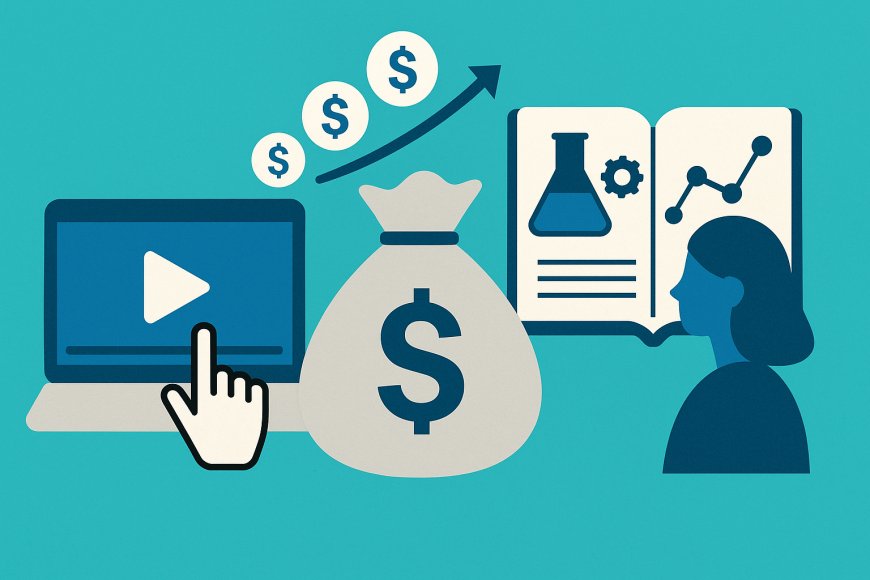
Consider a behavioral experiment where individuals were given the opportunity to monetize their creative endeavors through digital platforms. The study revealed a diverse array of monetization strategies—ranging from subscription models to ad-based revenues—each with distinct economic implications. This direct monetization presents an intriguing deviation from traditional economic models that emphasize large-scale production and distribution. Here, individual creativity acts as both product and currency, challenging established norms of economic interaction.
Digital Platforms and Economic Paradigm Shifts
The functionality of digital platforms is at the core of this transformation. Platforms such as video-sharing sites and social media networks offer creators unprecedented access to global audiences. In a typical observational study, researchers analyzed data from thousands of content creators, revealing that platform algorithms significantly influence viewership patterns and, consequently, revenue generation. These algorithms prioritize content engagement, often amplifying the reach of content that fits trending categories.
Furthermore, digital platforms democratize content creation by lowering entry barriers. Unlike traditional media, which requires significant capital investment, digital platforms enable creators to reach massive audiences with minimal financial input. This accessibility has led to a proliferation of niche markets, where specialized content finds highly engaged audiences, disrupting traditional supply and demand dynamics. The shift from product-based to experience-based economies is now evident, with consumer engagement metrics often surpassing traditional sales figures in defining success.
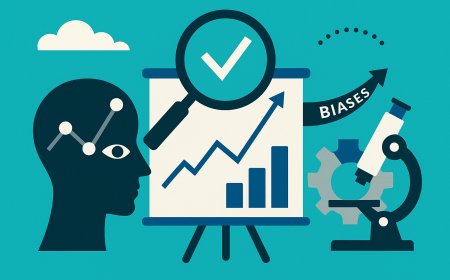
However, the reliance on algorithms also introduces new challenges. Algorithmic biases can skew content visibility, leading to what some researchers term "algorithmic determinism," where creators must adapt their content to algorithm preferences to maintain visibility. Thus, understanding the scientific basis for these algorithms and their economic impact is crucial for predicting future trends in the creator economy.
Monetization Strategies and Consumer Behavior Analytics
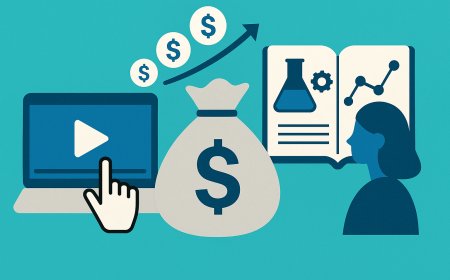
Monetization within the creator economy is as varied as the content itself. In an insightful case study, researchers monitored the financial performance of creators utilizing different revenue models. Subscription services, direct consumer sales, and crowd-funding platforms emerged as viable alternatives to traditional advertising. Each model offers unique insights into consumer behavior, providing valuable data for economic analysis.
Subscription services, for example, hinge on sustained consumer loyalty, suggesting a shift toward relationship-driven economic interaction. This contrasts sharply with traditional one-time purchase models. Such insights compel economists to reconsider theories of consumer behavior, focusing more on engagement and retention than acquisition.
Furthermore, consumer behavior analytics have become a cornerstone of successful monetization strategies. Data-driven insights allow creators to refine content offerings and tailor their monetization approaches, maximizing both engagement and profitability. By analyzing viewer demographics and interaction patterns, creators can optimize content to meet specific audience preferences, thereby enhancing both reach and revenue potential.
The Future of Economic Models in the Creator Economy
The implications of these developments extend beyond individual creators. Economic models must evolve to accommodate the decentralization of content production and the shifting nature of consumer engagement. The emergent economic landscape demands a reevaluation of traditional metrics of success and profitability.
In this evolving paradigm, understanding the scientific grounding of digital platform algorithms, consumer behavior, and monetization strategies becomes imperative. As the creator economy continues to mature, it not only reshapes how individuals engage with content but also how society conceives economic value. The necessity of integrating scientific perspectives into economic theory is evident, driving future research and policy-making.
The creator economy signifies a profound shift, questioning the very foundations of our economic understanding. It underscores an era where digital connectivity and individual creativity redefine economic potential. As we look to the future, the fusion of creativity and scientific insight offers a promising avenue for sustainable economic growth and innovation.
What's Your Reaction?