










































































The Neurobiological Roots of Depression: Mechanisms and Implications
This article explores the intricate neurobiological mechanisms underlying depression, focusing on neurotransmitter imbalances, neural circuitry, and genetic influences. By examining real-world experimental setups and their implications, it provides a comprehensive understanding of how these factors contribute to mental health disorders.

In the shadowy corridors of neurobiology, depression remains a daunting enigma. Though often perceived as a psychological condition, its roots delve deep into the brain's complex architecture. Studies indicate that depression's manifestations are not merely the consequence of external stresses but also the result of intrinsic neurobiological mechanisms.


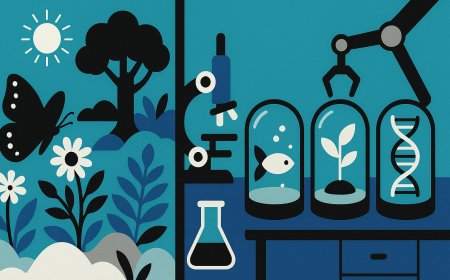
Consider a typical scenario in a behavioral neuroscience lab: Researchers subject a cohort of laboratory rats to a chronic mild stress regime, mimicking real-world chronic stress conditions. Over time, these rats exhibit behaviors analogous to human depression—reduced interest in pleasurable activities and altered eating patterns. This experiment reveals the crux of depression: a malfunction in reward circuitry within the brain. The nucleus accumbens, a key player in this circuitry, becomes less responsive to dopaminergic signals, reducing motivation and pleasure.
The Role of Neurotransmitters
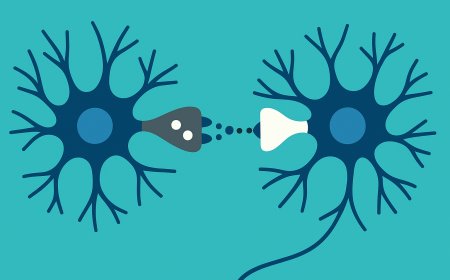
The interplay of neurotransmitters is pivotal in shaping mood and behavior. Serotonin, dopamine, and norepinephrine are often front and center in this discussion. In another experimental setting, scientists manipulate the serotonin levels in a controlled group of mice using selective serotonin reuptake inhibitors (SSRIs). As serotonin availability in synaptic clefts increases, the subjects show diminished signs of depressive behavior, suggesting serotonin's critical role in mood regulation.
Yet, neurotransmitter dynamics are not as straightforward as increasing or decreasing levels. For instance, in human trials using functional MRI, individuals with depression show altered connectivity in brain regions such as the prefrontal cortex and amygdala. These areas are not solely dependent on serotonin but require a balanced orchestration of multiple neurotransmitters and neuromodulators to function optimally.
The traditional monoamine hypothesis, which posits that depression results from neurotransmitter deficiencies, is now considered overly simplistic. Emerging research points towards intricate feedback loops and receptor sensitivities. For instance, in clinical trials, patients with treatment-resistant depression often exhibit abnormalities in glutamate transmission, suggesting alternate pathways influencing depressive states.
Neural Circuitry and Depression
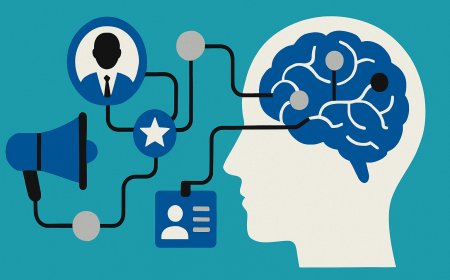
Beyond neurotransmitters, depression's roots extend into the very wiring of the brain itself. Neural circuits involving the prefrontal cortex, hippocampus, and amygdala are often implicated. In an innovative longitudinal study, researchers used diffusion tensor imaging to track changes in white matter tracts in individuals with depression. The findings indicate disrupted connectivity between the prefrontal cortex and the limbic system, a network responsible for emotion regulation.
These disruptions manifest in impaired cognitive control over emotional responses, leading to prolonged negative emotional states. Furthermore, studies employing optogenetic techniques in rodent models have shown that stimulating specific neural pathways can alleviate depressive symptoms. This underscores the potential for targeted interventions in brain circuits as future treatment modalities.
Genetic predispositions also influence the integrity of these circuits. Twin studies reveal that heritability estimates for depression range from 30% to 40%, highlighting a significant genetic component. The identification of risk alleles associated with depression through genome-wide association studies further elucidates the biological underpinnings of this condition.
Environmental Interactions and Genetic Influences
The interaction between genetic predisposition and environmental factors is central to understanding depression's complexity. Epigenetic modifications, which affect gene expression without altering the DNA sequence, are influenced by environmental stresses. In one study, researchers observed changes in DNA methylation patterns in the hippocampus of subjects exposed to chronic stress. These modifications correlated with altered expression of genes involved in stress response pathways, suggesting a biological imprint of environmental experiences.
Translation of these findings into human models involves examining the epigenetic changes in patients with depression. Blood samples from individuals with major depressive disorder have revealed distinct epigenetic markers, offering potential biomarkers for diagnosis and treatment responses.
The integration of genetic, environmental, and neurobiological data offers a holistic view of depression, moving towards personalized medicine approaches. By understanding an individual's unique genetic makeup and environmental history, interventions can be tailored to address specific neurobiological pathways, maximizing treatment efficacy.
As research progresses, the possibility of developing targeted therapies that modulate specific neural circuits or correct neurotransmitter imbalances appears increasingly viable. Understanding the neurobiological roots of depression not only aids in refining treatment strategies but also helps in destigmatizing the condition, viewing it as a complex interplay of biological and environmental factors. The future beckons a more nuanced approach to mental health, where insights from neurobiology guide both prevention and intervention, fostering a comprehensive understanding of human mental wellness.
What's Your Reaction?