













































































Reevaluating the Economics of Attention: A Scientific Approach to Productivity
Attention is a critical and limited resource within the human cognitive arsenal, impacting productivity in both subtle and profound ways. Traditional metrics of productivity often overlook the dynamic interplay between focused attention, cognitive load, and external stimuli, which can dramatically influence work outcomes. Recent advances in cognitive science and behavioral economics provide fresh insights into optimizing attention for improved productivity. Innovative research methodologies are challenging old assumptions, offering strategies to effectively navigate the modern world’s cognitive demands.

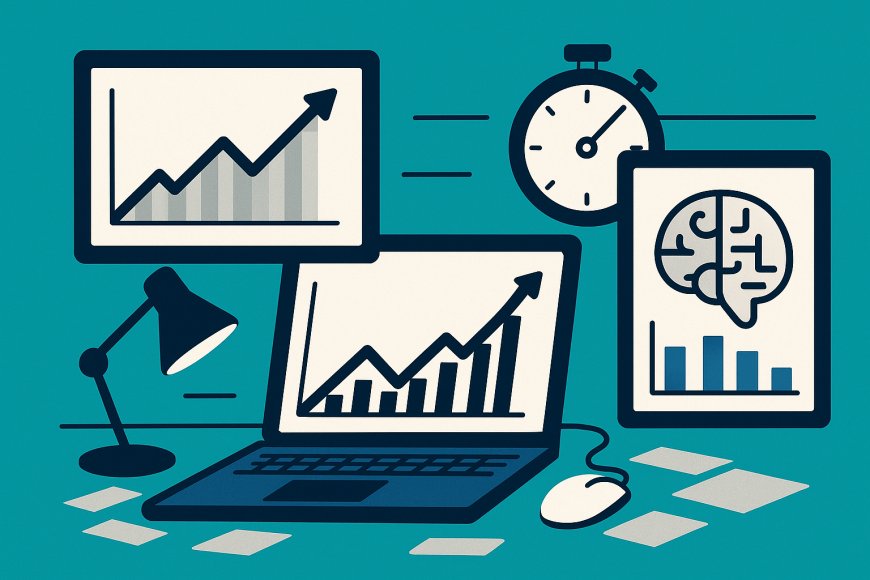
In an era where information flows ceaselessly and distractions are ubiquitous, the notion of attention as a scarce commodity has gained paramount significance. Conventional metrics of productivity, mostly quantitative in nature, tend to neglect the profound influence of qualitative mental states like attention. This oversight often results in skewed interpretations of work efficiency and effectiveness, failing to account for the complex interplay between cognitive resources and external demands. Attention, akin to a currency in the economic sense, requires judicious allocation to maximize productivity, necessitating a reevaluation of traditional paradigms.


Consider the cognitive demands placed on a software developer in a modern tech firm. The typical work environment bombards the developer with emails, messages, and notifications, fragmenting focus and depleting cognitive resources. The resulting cognitive overload diminishes the capacity for deep work, a state of intense focus critical for problem-solving and innovation. Herein lies the challenge: how can productivity be optimized without succumbing to cognitive fatigue?
The Cognitive Economy: Valuing Attention
Recent advancements in cognitive science reveal that attention operates much like a market-driven economy. Attention is not infinite; it incurs opportunity costs, as attending to one task inevitably means ignoring another. This conceptualization aligns with behavioral economics, where decision-making is influenced by the perceived value of alternative actions. In productivity contexts, individuals constantly engage in cost-benefit analyses, consciously or subconsciously, to determine where their attention should be directed.
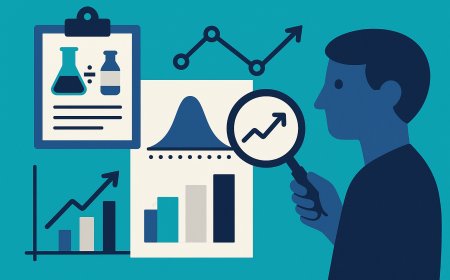
A cognitive experiment at a leading research institution involved participants tasked with solving complex puzzles while simultaneously responding to intermittent auditory distractions. The findings were unequivocal: participants who could manage distractions effectively displayed superior problem-solving capabilities and shorter completion times. This underscores the necessity to strategically manage the cognitive economy of attention, focusing resources on tasks that yield the highest returns.
To this end, pioneering methodologies are emerging, advocating for structured environments that minimize distractions while enhancing focus. Techniques such as time-blocking—allocating specific intervals for singular tasks—demonstrate significant improvements in productivity metrics. Similarly, the Pomodoro Technique, which involves intervals of concentrated work followed by short breaks, has shown to preserve mental acuity and prevent burnout, underscoring the importance of balancing cognitive engagement with rest.
Behavioral Nudges: Enhancing Attention Allocation
The burgeoning field of behavioral economics offers promising avenues for enhancing attention management through strategic "nudges." These subtle interventions modify behavior in a predictable manner without restricting freedom of choice, directing attention towards more productive actions.
In a controlled study at a behavioral science laboratory, researchers implemented nudges in the form of visual cues prompting breaks or focus shifts during mundane tasks. Participants exposed to these nudges reported heightened awareness and leveraged their cognitive resources more effectively. Notably, the study highlighted the potential of these interventions in fostering a systematic realignment of attention, promoting sustained productivity over prolonged periods.
Moreover, digital platforms are increasingly incorporating nudges to optimize user engagement. By analyzing patterns of attention span and interaction, software developers can design interfaces that enhance user experience while minimizing cognitive load. These innovations illustrate a shift from passive interaction to active engagement, transforming how attention is managed in digital environments.
Future Directions: Integrating Cognitive Science and Technology
Integrating insights from cognitive science with technological advancements offers a robust framework for reimagining productivity strategies. The convergence of artificial intelligence and neurology holds promise in tailoring personalized cognitive interventions that optimize attention spans.
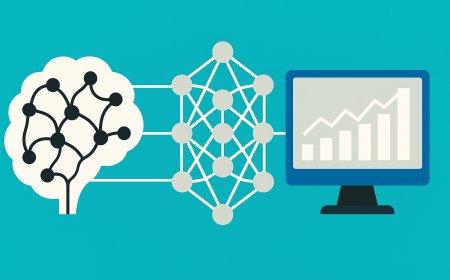
Imagine an AI-driven application designed to assess an individual's cognitive load in real-time, offering personalized recommendations to enhance focus or suggest strategic breaks. Such innovations could revolutionize traditional productivity paradigms, facilitating a more harmonious balance between work demands and cognitive well-being.
Ultimately, recognizing attention as an economic asset shifts the productivity narrative from quantity to quality, prioritizing mental resilience and adaptive strategies. As cognitive science continues to evolve, new methodologies will undoubtedly emerge, offering fresh perspectives on optimizing productivity in a world teeming with distractions.
What's Your Reaction?