Augmenting Human Cognition: The Neuroscience of Enhanced Decision-Making
This article explores the potential of neuroscience in enhancing human decision-making capabilities. It delves into neural mechanisms, experimental studies, and the implications for future working environments. With the advent of cognitive augmentation technologies, understanding the brain's decision pathways becomes pivotal. The piece discusses how these advancements may influence productivity, creativity, and ethical considerations in the workplace. The future of work could be reshaped by the ability to consciously modulate cognitive processes, offering both unprecedented opportunities and challenges.

Consider a workplace scenario where employees optimize their cognitive processes to adapt to rapidly changing environments. Such adaptive capabilities are no longer confined to the realm of science fiction. Recent advancements in neuroscience are paving the path towards enhanced human cognition. At the core of this evolution is the understanding of decision-making processes at a neural level. The brain's ability to process information, evaluate outcomes, and make judicious choices is a focal point of cognitive neuroscience, which seeks to elucidate the underlying mechanisms.


In a typical neuroscience study, researchers employ functional magnetic resonance imaging (fMRI) to observe brain activity as participants engage in decision-making tasks. These studies highlight the dynamic interplay between various neural networks, such as the prefrontal cortex, which is crucial for executive functions including planning and risk assessment. By mapping these neural activities, scientists gain insights into how decisions are formed and executed. This understanding opens avenues for enhancing cognitive functions, particularly in contexts requiring rapid and complex decision-making.
The Neural Basis of Decision-Making
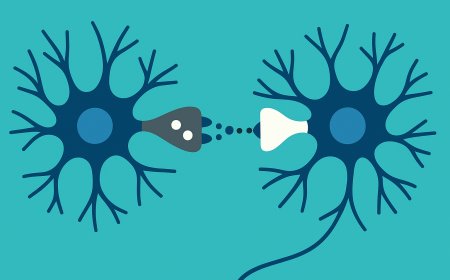
Decision-making is an intricate process involving multiple brain regions and neurotransmitter systems. At its core, the prefrontal cortex integrates information from sensory and memory circuits to weigh options and predict potential outcomes. Neurotransmitters such as dopamine play a pivotal role by modulating reward pathways, influencing how choices are evaluated and motivating decision-makers towards favorable outcomes.
In a behavioral experiment, participants are presented with choices that involve varying levels of risk and reward. Electroencephalography (EEG) measures reveal that neural oscillations, particularly in the beta frequency, are associated with the anticipation of rewards and decision confidence. This neural signature of decision-making provides a window into the brain's evaluative processes, enabling researchers to explore how these mechanisms can be optimized for improved performance.
Furthermore, advancements in neuromodulation techniques such as transcranial magnetic stimulation (TMS) allow for targeted enhancement of specific brain regions. By applying TMS to the prefrontal cortex, subjects exhibit improved decision-making speed and accuracy, suggesting that cognitive functions can be fine-tuned to meet the demands of modern work environments. Such interventions present a promising frontier in the augmentation of human cognition.
Cognitive Augmentation in the Workplace
The prospect of cognitive enhancement through neuroscientific interventions raises profound implications for the future of work. As organizations strive for increased productivity and innovation, the ability to enhance employee decision-making capabilities becomes an attractive proposition. Technologies that facilitate cognitive augmentation could transform how tasks are approached and solutions devised.
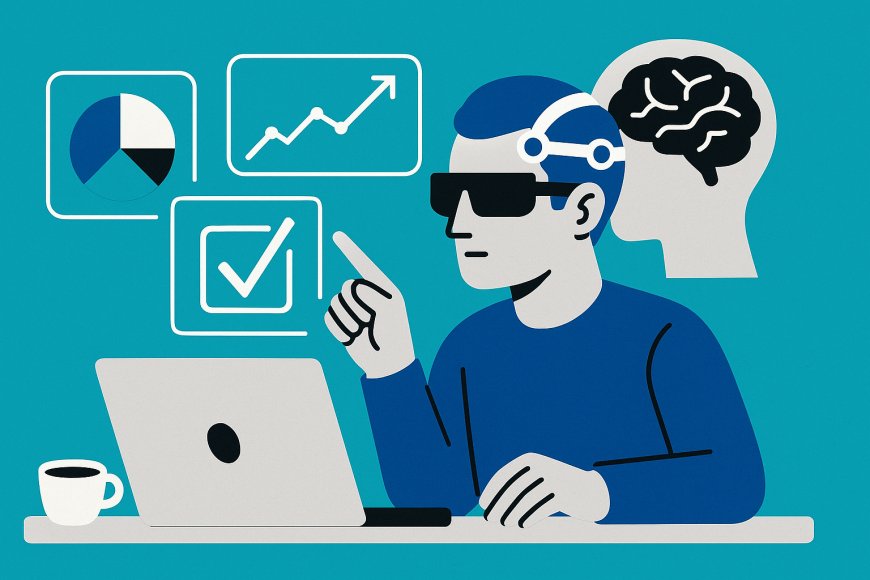
In practice, this could mean equipping employees with brain-computer interfaces (BCIs) that improve focus and multitasking abilities. In experimental setups, BCIs have demonstrated the potential to enhance attentional control, allowing users to switch between tasks with minimal cognitive load. This capability is particularly beneficial in environments where quick adaptability is crucial, such as in tech startups or crisis management teams.
However, the integration of such technologies into the workplace is not without ethical considerations. Concerns regarding privacy, consent, and the potential for cognitive inequity must be addressed. The ability to modulate cognitive processes could lead to disparities in workplace performance, creating a divide between those who have access to enhancement technologies and those who do not.
Ethical and Societal Implications
The augmentation of human cognition through neuroscientific means necessitates a careful examination of ethical and societal implications. The prospect of enhancing decision-making capabilities raises questions about autonomy and the authenticity of human experiences. As cognitive enhancement becomes feasible, it challenges traditional notions of individual merit and achievement.
Incorporating enhanced decision-making capabilities into the workforce could redefine standards of productivity and creativity. The competitive landscape may shift, prioritizing cognitive abilities over traditional skills and experiences. This shift necessitates a reevaluation of employment practices and educational frameworks, ensuring equitable access to enhancement technologies and safeguarding against potential misuse.
Moreover, as augmentation technologies evolve, they may influence societal perceptions of intelligence and capability. The normalization of cognitive enhancement could lead to broader discussions on human identity, agency, and the very essence of decision-making. Navigating these complex issues requires a multidisciplinary approach, integrating insights from neuroscience, ethics, and policy-making.
The future of work is poised for transformation, driven by the potential of cognitive enhancement technologies. By advancing our understanding of decision-making processes and their neural underpinnings, we can unlock new possibilities for human potential. As these technologies mature, they will offer unprecedented opportunities to enhance cognitive function, urging society to consider the ethical and practical ramifications of this newfound capability.
What's Your Reaction?