The Intricacies of Autopoiesis in Organizational Leadership
Autopoiesis, a concept rooted in systems biology, offers a powerful framework for understanding organizational leadership. This article explores the mechanisms of self-organization and regeneration within organizations, drawing parallels to biological systems, and provides insights into how leadership can harness these dynamics for sustained innovation and adaptability.

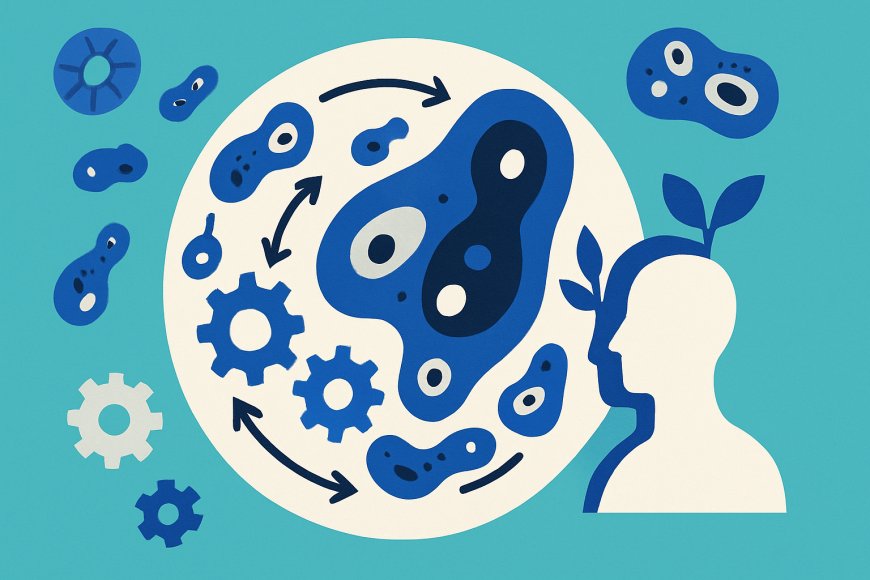
Autopoiesis, a term originally coined in the field of biology, describes the self-maintaining chemistry of living cells. In essence, it refers to the capacity of a system to regenerate itself through internal processes. This concept, while rooted in biological systems, finds intriguing applications in the realm of organizational leadership. Within the complex structure of an organization, autopoiesis offers a unique lens through which leaders can view and influence the self-organizing capacities of their institutions.


The essence of autopoiesis in organizations lies in their ability to self-organize, evolve, and adapt. A typical example can be seen in tech startups, where innovation is not just a goal but an integrated aspect of the organizational culture. These startups often exhibit a remarkable capacity to reinvent themselves, much like biological cells that continuously replenish and organize their internal components. Here, leadership is not about dictating change but nurturing an environment where change emerges organically.
Self-Organization in Leadership Dynamics
In many successful organizations, leadership dynamics resemble the principle of self-organization found in nature. Consider a software development company with a flat hierarchy. Instead of a top-down approach, team members collaborate freely, akin to cells communicating within an organism. This decentralized leadership model encourages autonomy and innovation, fostering a sense of ownership and responsibility among employees. The role of leaders, therefore, shifts from commanders to facilitators, guiding the natural flow of ideas and solutions.
Self-organization is often misunderstood as being synonymous with chaos. However, in a well-defined organizational culture, it provides the structure necessary for agility and resilience. Leadership in such contexts is about maintaining a delicate balance between fostering creativity and ensuring alignment with the overarching goals. This balance allows teams to experiment within a safe framework, driving continuous improvement and adaptation.
The implications of self-organization extend beyond individual teams to the organizational structure as a whole. By understanding and leveraging these dynamics, leaders can cultivate an environment where innovation thrives. For example, regular cross-departmental interactions can mimic the biological concept of cross-pollination, leading to novel ideas and collaborative breakthroughs. Such strategies reinforce the interconnectedness and mutual reliance of different organizational components.
Regeneration and Innovation in Organizational Contexts
Regeneration, a key aspect of autopoiesis, is vital for organizational longevity and success. Just as biological systems continuously regenerate to maintain functionality, organizations must innovate and refresh their processes to survive in competitive environments. In a typical corporate setting, this may involve periodic reassessment of strategies and the incorporation of new technologies to stay relevant.
Consider an enterprise that embraces a culture of continuous learning and adaptation. Through regular workshops and feedback sessions, employees are encouraged to acquire new skills and knowledge, thereby contributing to the regenerative capabilities of the organization. This approach ensures that the organization stays at the forefront of industry trends and technological advancements.
This regenerative process is not limited to product development or technological upgrades. It encompasses every facet of the organization, from customer service to supply chain management. Leaders who prioritize regeneration foster a culture of innovation, where employees are motivated to challenge the status quo and seek out new opportunities for growth.
The Future of Leadership: Embracing Complexity
Embracing the complexity of autopoiesis in leadership requires a paradigm shift. As organizations face unprecedented challenges and rapid technological advancements, leaders must cultivate environments that thrive on complexity rather than resist it. This involves adopting systems thinking and recognizing the interconnectedness of all organizational components.
Leaders who effectively harness the principles of autopoiesis can transform their organizations into dynamic, self-sustaining entities. By fostering a culture of continuous learning and innovation, they prepare their teams to navigate the complexities of the modern business landscape with agility and foresight. In doing so, they not only ensure organizational resilience but also drive sustained success and growth.
What's Your Reaction?