

































































Cognitive Symbiosis: AI and Human Collaboration in the Workplace
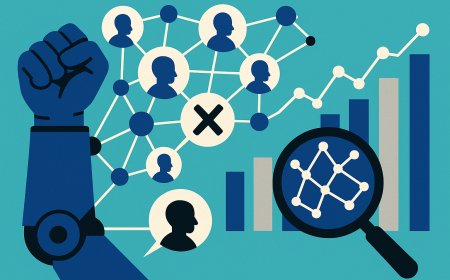
The integration of AI technologies in the workplace prompts a reevaluation of human cognitive roles. By examining case studies, this article reveals how AI collaborates with human workers, enhancing creativity and efficiency. The synergy between AI and human cognitive processes leads to novel problem-solving methods and improves workplace dynamics. As AI systems become more sophisticated, their role in supplementing human skills instead of replacing them becomes crucial, fostering a new era of collaboration that redefines traditional job structures and leads to innovative business solutions. The study also highlights ethical considerations, ensuring that AI enhances rather than hinders human potential.

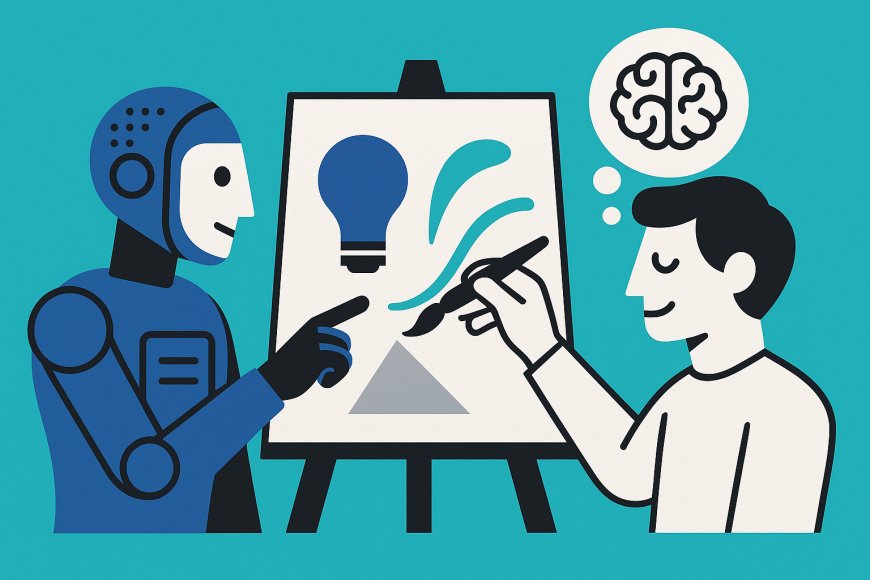
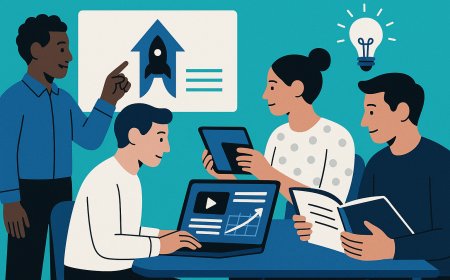
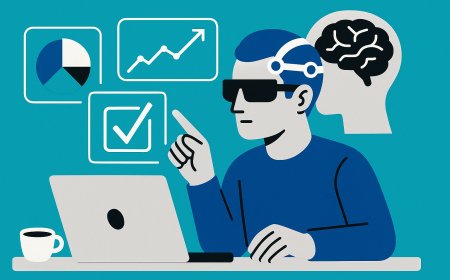
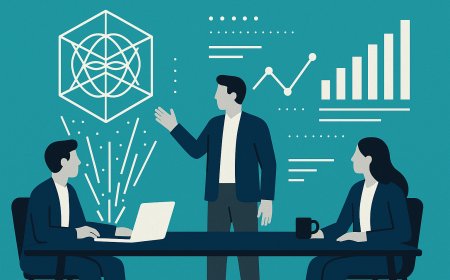
Consider a scenario where an AI system and a human designer collaborate on a project. The AI, equipped with advanced generative algorithms, proposes multiple design options based on initial input data. The human designer navigates these suggestions, applying subjective creativity to refine and develop the final concept. This symbiotic relationship not only accelerates the design process but also enhances creative outcomes, as the AI's computational prowess complements human intuition. This is not merely speculative; in multiple corporate settings, AI is increasingly acting as an innovative partner rather than a tool.


The paradigm of AI-human collaboration is reshaping traditional workplace roles. AI systems capable of learning from vast datasets can suggest optimizations and predict outcomes with remarkable accuracy. In a company focused on product development, AI might analyze consumer data, identifying trends that human analysts might overlook. As a result, marketing strategies can be fine-tuned with unprecedented precision, allowing companies to tailor their products more effectively to consumer needs. The cognitive partnership between AI and human teams fosters a dynamic where both entities can maximize their strengths, leading to improved business outcomes.
AI's Role in Enhancing Creativity
In the creative industries, AI has begun to redefine the boundaries of artistic expression. Rather than replacing human creators, AI tools are designed to inspire and expand the creative process. An AI system tasked with composing music might analyze thousands of compositions to understand stylistic elements, offering fresh ideas to composers who then infuse these suggestions with emotional depth and human nuance. This collaborative process results in works that are both innovative and resonant with audiences.
AI's impact on creativity extends beyond individual projects. In a study involving advertising agencies, AI-assisted brainstorming sessions significantly increased the diversity and novelty of ideas. By providing a wealth of starting points, AI allows human teams to explore unconventional paths, breaking free from cognitive biases and habitual thinking patterns. The AI serves as a catalyst, sparking new directions that human creativity can then explore and refine.
Moreover, AI-driven platforms are enabling artists to break technological barriers. Digital artists using AI to generate visuals find that their tools allow for exploration of form and color in ways previously unimaginable. In these partnerships, human creators remain central, guiding the artistic vision while AI expands the palette of possibilities.
AI and Human Cognitive Processes: A New Symbiosis
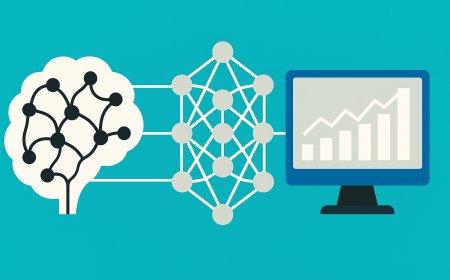
The integration of AI in cognitive tasks marks a significant shift in how work is conceptualized. In industries reliant on data analysis, AI provides insights that redefine decision-making processes. Consider a financial firm where AI algorithms continuously monitor market trends, offering real-time risk assessments. Human analysts interpret these insights, making strategic decisions informed by both qualitative judgment and quantitative data. This synergy enhances the firm's ability to navigate volatile markets with agility.
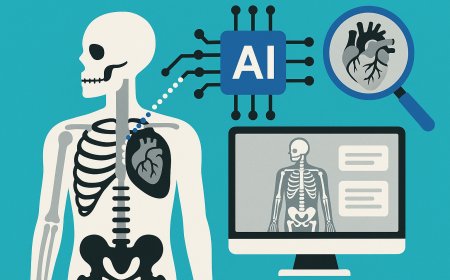
AI's ability to process vast amounts of information at speed unmatched by humans creates new opportunities for collaborative problem-solving. In healthcare, AI systems analyze patient data to suggest personalized treatment plans. Medical professionals then use these insights to deliver care tailored to individual needs, exemplifying a partnership that enhances healthcare delivery.
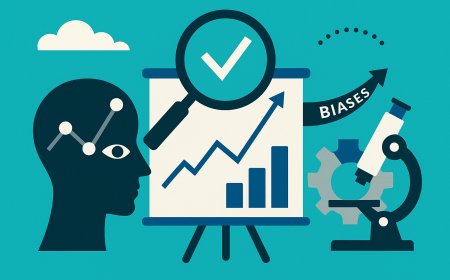
The cognitive symbiosis between AI and humans is not without its challenges. Ethical considerations arise regarding the transparency of AI processes and the potential for bias in AI-driven decisions. Ensuring that AI complements rather than dominates human roles is crucial, fostering a work environment where AI enhances human potential rather than limiting it.
Ethical Implications and Future Prospects
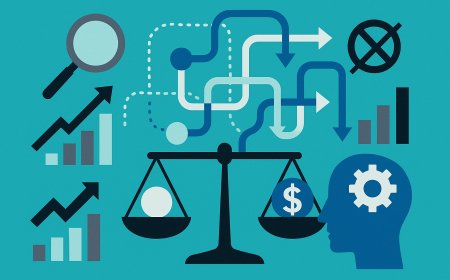
The ethical landscape of AI-human collaboration is complex. Ensuring equitable access to AI technologies and preventing algorithmic biases demand ongoing scrutiny. In practical terms, organizations must commit to transparency and fairness in AI deployment, safeguarding against automated systems that could inadvertently replicate societal inequalities.
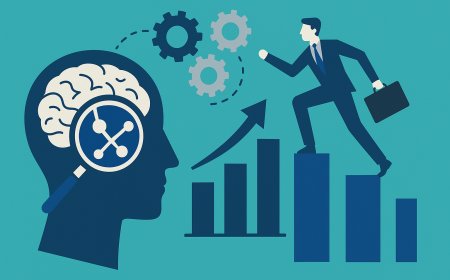
As AI systems become more prevalent, the future of work will increasingly rely on the collaborative potential of AI and human workers. Training and upskilling employees to work alongside AI will be essential, creating a workforce adept at leveraging AI's capabilities while preserving the human touch. This hybrid approach could lead to new business models and professional roles, designed around maximizing the benefits of AI-human synergy.
In a world where AI continues to advance, its role in complementing, not replacing, human capabilities could redefine our understanding of productivity and creativity. This evolution presents an opportunity to shape a future where work is both more efficient and deeply fulfilling. The creative potential unleashed by AI-human collaboration holds promise for transformative innovation across industries.
What's Your Reaction?