
































































AI-Driven Metamorphosis of Skill Acquisition: Unanticipated Synergies in Educational Contexts
Artificial Intelligence has revolutionized skill acquisition by fostering unexpected synergies within educational systems. Through adaptive learning platforms, AI personalizes learning experiences, optimizing skill development. The theoretical underpinnings and practical implications of AI's role in education demonstrate its transformative potential in reshaping traditional educational paradigms and enhancing human-machine collaboration.

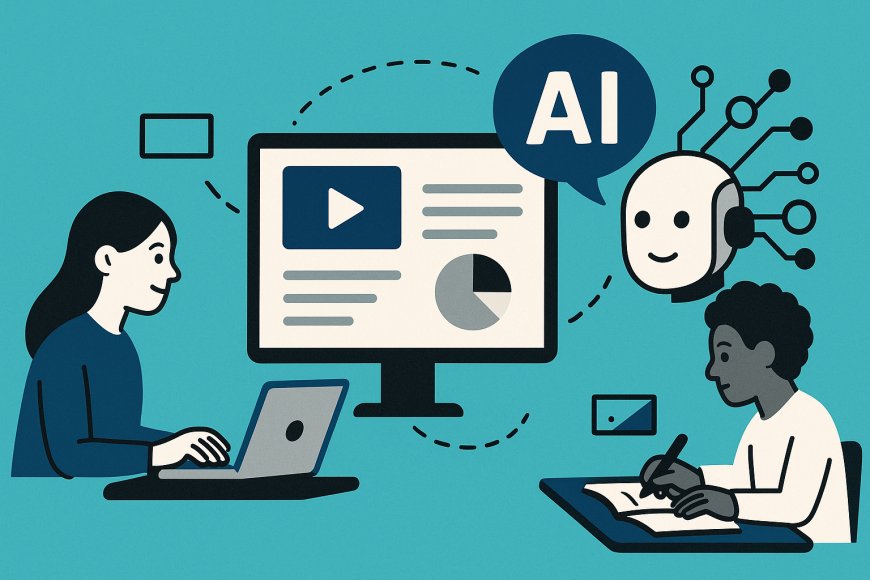
Imagine an educational landscape where learning evolves dynamically, a realm in which Artificial Intelligence (AI) meticulously calibrates itself to the nuances of each learner. This is not a distant dream but a burgeoning reality that is redefining skill acquisition. Consider a classroom where AI systems, integrated with machine learning algorithms, continually adapt to the individual learning curves of students, optimizing educational outcomes and fostering a culture of personalized learning. The implications of such systems are profound, challenging traditional pedagogical models and offering new pathways for educational enrichment.


Within this framework, AI presents a novel approach to understanding and facilitating skill development. By employing real-time data analytics, these systems can tailor content delivery in response to student progress, thereby enhancing engagement and retention. The traditional one-size-fits-all educational model is thus being supplanted by an adaptive methodology that accommodates individual learning styles and paces, demonstrating AI's potential to act as a catalyst in the educational sector.
AI-Enhanced Learning Environments: A Paradigmatic Shift
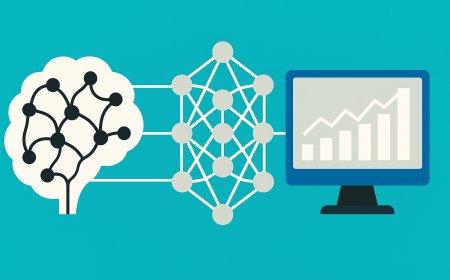
In a typical educational setting employing AI, machine learning algorithms analyze vast datasets gleaned from student interactions with digital platforms. These datasets capture intricate patterns of learning behavior, allowing for the prediction of future performance and the customization of educational content. This process represents a paradigmatic shift from conventional teaching strategies, prioritizing adaptability and personalized learning.
Consider an experimental scenario where students engage with an AI-powered mathematics platform. The system identifies students struggling with specific concepts, subsequently adjusting the difficulty level of tasks to better align with their competencies. Such systems transcend traditional educational limitations, offering a tailored educational experience that maximizes individual potential. This is accomplished through continuous monitoring and adjustments, making real-time interventions possible.
The integration of AI in educational contexts empowers educators as well. By automating administrative tasks and providing actionable insights on student performance, teachers can focus on what truly matters: fostering critical thinking and encouraging creativity. The role of the educator becomes more of a facilitator or guide, assisting students as they navigate their personalized learning journeys.
Cognitive Synergy: The Intersection of Human and Machine Intelligence
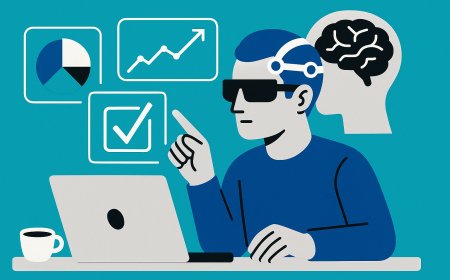
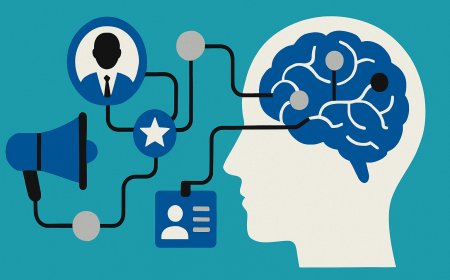
AI's role in skill acquisition extends beyond mere personalization, venturing into the realm of cognitive synergy. This concept involves the harmonious integration of human and machine intelligence to enhance learning outcomes. In this context, AI acts as both an aid and an extension of human cognition, offering new opportunities for cognitive development.
In a behavioral experiment assessing AI-human collaboration, students paired with AI systems outperformed those relying solely on traditional educational methods. The AI provided immediate feedback and suggestions for improvement, which students could incorporate into their study routines. This symbiotic relationship between human and machine intelligence cultivates a learning environment characterized by synergy rather than competition.
The implications of such systems are multifaceted, influencing not only how students learn but also their perception of learning itself. By reducing educational disparities and fostering inclusivity, AI contributes to a more equitable learning environment. It challenges existing hierarchies within educational systems, democratizing access to knowledge and enabling all students to thrive, regardless of their background.
Practical Applications and Future Directions
The practical applications of AI in skill acquisition are vast, extending from primary education to professional development. In higher education, for instance, AI systems can assist in formulating personalized study plans, guiding students toward academic success. In professional settings, AI-driven platforms facilitate continuous learning, adapting to the evolving skill sets required in modern workplaces.
Looking ahead, the ongoing development of AI technologies promises further advancements in educational methodologies. As machine learning algorithms become more sophisticated, the potential for AI to adapt and predict human learning patterns will increase, leading to even more tailored educational experiences. Researchers are exploring the integration of AI with virtual and augmented reality, offering immersive learning environments that further enhance skill acquisition.
While the integration of AI in education is not without challenges, particularly concerning data privacy and ethical considerations, its potential benefits are undeniable. The continued evolution of AI-driven educational systems could redefine the very nature of learning, promoting a future where knowledge is not merely acquired but experienced and lived.
In the grand tapestry of human history, AI is proving to be not just a tool but a transformative partner in education. This partnership invites a reevaluation of how knowledge is acquired and shared, heralding an era where learning is not static but an ever-evolving journey, one that holds the promise of new horizons and endless possibilities.
What's Your Reaction?