


















































































Exploring the Genomic Interplay: Advances in RNA-Seq Analysis
RNA-Seq analysis has revolutionized the understanding of gene expression, enabling unprecedented insights into cellular functions. Recent advances in this field have improved data accuracy, interpretation, and application in complex biological systems. Innovations include enhanced computational tools that process vast datasets, yielding precise insights into transcriptomic landscapes. The integration of machine learning further refines predictive models, extending the potential for personalized medicine and advancing research methodologies. As RNA-Seq continues to evolve, its role in expanding biological knowledge and translational applications remains vital.

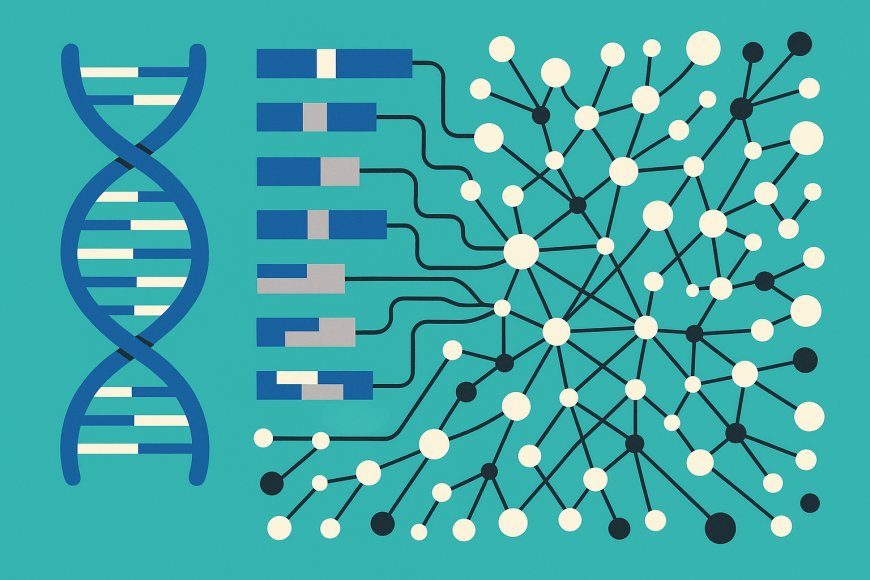
In the rapidly evolving field of bioinformatics, RNA sequencing (RNA-Seq) stands as a cornerstone technology, offering profound insights into the transcriptomic landscapes of various organisms. The precision with which RNA-Seq deciphers gene expression patterns has fundamentally transformed biological and medical research, opening avenues for understanding cellular functions at an unprecedented scale. This powerful tool allows for the comprehensive mapping of transcriptomes, providing a detailed snapshot of RNA presence, abundance, and variance under different conditions.


Consider a typical experiment involving RNA-Seq where researchers aim to understand gene expression differences in cancerous versus normal cells. By sequencing the RNA of both cell types, scientists can identify specific genes that are overexpressed or underexpressed in cancer cells. This differential expression analysis not only aids in identifying potential oncogenes and tumor suppressor genes but also offers insights into molecular pathways that could be targeted for therapeutic intervention. The ability to pinpoint these differences with high precision exemplifies the transformative impact of RNA-Seq in personalized medicine, particularly in tailoring treatments to individual genetic profiles.
Technological Innovations in RNA-Seq Analysis
The technological advancements in RNA-Seq have been significant, driving the field toward ever-greater accuracy and efficiency. One such innovation is the development of next-generation sequencing (NGS) platforms, which have exponentially increased the throughput and reduced the cost of sequencing. This democratization of technology enables a broader range of applications, from basic research to clinical diagnostics. These platforms facilitate the simultaneous sequencing of millions of RNA fragments, providing a comprehensive and quantitative view of the transcriptome.
An experimental setup harnessing NGS might involve the sequencing of RNA extracted from different stages of developmental biology, for instance, in a model organism like zebrafish. This setup allows for the temporal mapping of gene expression changes during critical developmental phases, highlighting the dynamic nature of transcriptomes. Such studies shed light on developmental processes and can inform regenerative medicine strategies. The increased depth of coverage offered by NGS ensures that even low-abundance transcripts are detected, enhancing our understanding of cellular complexity.
Machine learning algorithms are increasingly being integrated into RNA-Seq data processing pipelines. These algorithms are adept at handling the vast, complex datasets generated by RNA-Seq, enabling more sophisticated analyses such as clustering, classification, and predictive modeling. For example, a study utilizing machine learning might explore the transcriptional profiles of patient-derived tumor samples to predict treatment outcomes. By correlating transcriptomic patterns with clinical data, researchers can develop models that accurately predict patient responses to specific cancer therapies, illustrating the potential of RNA-Seq in advancing precision oncology.
Challenges and Solutions in RNA-Seq Applications
Despite its transformative potential, RNA-Seq analysis is not without challenges. One of the primary issues is the handling of technical and biological variability inherent in sequencing experiments. Variability can arise from sample preparation, sequencing errors, and biological differences among samples. To address this, robust statistical methods have been developed to normalize data and control for confounding factors. These methods ensure that the detected expression changes are truly reflective of biological phenomena rather than artifacts of the sequencing process.
Consider a scenario in which researchers are comparing gene expression profiles across different tissue types within the same organism. Variability in sampling and sequencing depth can obscure true biological differences. To mitigate these issues, advanced statistical techniques such as batch effect correction and variance stabilization transformations are applied. These techniques refine data quality and reliability, enabling researchers to draw more accurate conclusions about tissue-specific gene expression patterns.
Another significant challenge is the interpretation of vast amounts of data generated by RNA-Seq. The sheer volume of information necessitates sophisticated computational tools and databases for effective analysis and annotation. Bioinformatics platforms that integrate functional genomics data, such as gene ontology and pathway analysis, are crucial for deriving meaningful biological insights. Researchers use these tools to annotate gene functions, uncover regulatory networks, and hypothesize potential gene interactions, thereby transforming raw sequencing data into actionable biological knowledge.
The Future of RNA-Seq in Bioinformatics
As RNA-Seq technology continues to advance, its capacity to unravel the complexities of gene regulation and expression will undoubtedly expand. Emerging technologies, such as single-cell RNA-Seq, promise even finer resolution of transcriptomic landscapes, offering insights into cellular heterogeneity within tissues and tumors. Such granular analysis is essential for understanding the microenvironmental factors influencing disease progression and therapeutic resistance.
The integration of RNA-Seq with multi-omics approaches, combining transcriptomic data with proteomics, metabolomics, and epigenomics, heralds a new era of systems biology. This comprehensive analytical framework has the potential to transform our understanding of biological systems, from uncovering intricate cellular processes to informing drug discovery and personalized medicine strategies. As bioinformatics continues to innovate, the insights gained from RNA-Seq will remain integral to the advancement of science, shaping the future of research and therapeutic development.
What's Your Reaction?