














































































The Symbiotic Relationship of Algorithmic Trading and Behavioral Finance
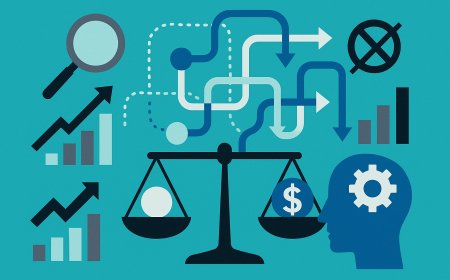
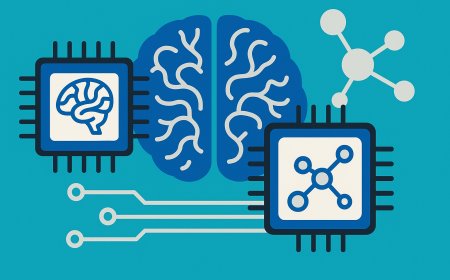
Algorithmic trading and behavioral finance, seemingly divergent domains, are intertwined in modern investment strategies. By integrating cognitive biases into algorithmic models, researchers enhance predictive accuracy, shaping investment decisions and influencing market dynamics.


Algorithmic trading, characterized by its reliance on complex mathematical models and computer algorithms to execute trades at high speed, dominates the 21st-century trading landscape. What often remains unseen is its nuanced interaction with behavioral finance, a field concerned with the psychological influences on investor behavior. This confluence raises a pivotal question: Can the integration of cognitive biases into algorithmic strategies enhance predictive accuracy and market efficiency?


In a typical algorithmic trading scenario, high-frequency trading firms utilize sophisticated algorithms that analyze market data in milliseconds, executing trades based on predefined criteria. These algorithms are designed to exploit minute price discrepancies, profiting from the rapid turnover of assets. Yet, despite their mathematical rigor, these models frequently overlook the psychological dimensions of financial markets. Herein lies the intersection with behavioral finance. By incorporating insights from behavioral finance—such as overconfidence, loss aversion, and herd behavior—algorithmic models can be fine-tuned to anticipate market movements more effectively. Such integration has shown promise in not only improving the predictive power of algorithms but also in providing a buffer against market anomalies driven by investor psychology.
Algorithmic Precision and Human Psychology
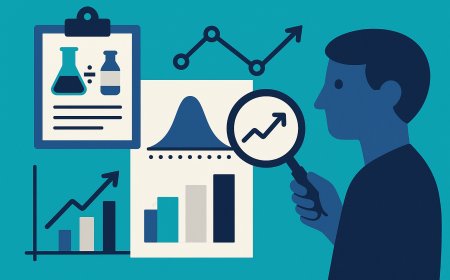
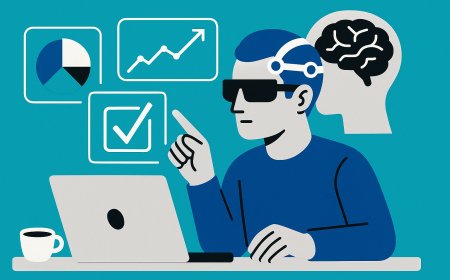
Consider a behavioral experiment where investors are divided into groups, each subjected to varying degrees of market volatility. By analyzing their decision-making processes, researchers can identify common cognitive biases that influence trading behavior. These biases, when quantified, provide valuable inputs for refining algorithmic models. In practice, a trading algorithm might adjust its parameters based on anticipated investor reactions to market shocks, such as sudden news events or economic data releases.
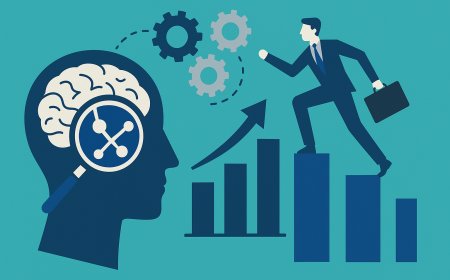
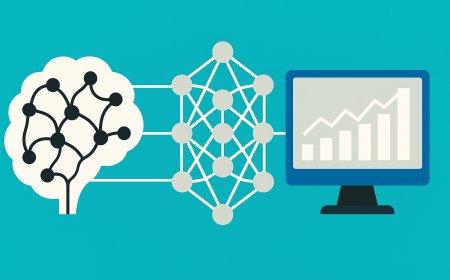
Incorporating behavioral insights into algorithmic frameworks requires a deep understanding of both human psychology and machine learning techniques. Algorithms must be capable of dynamically adjusting to the evolving market sentiment, a task that necessitates a real-time analysis of news sentiment, social media trends, and historical trading patterns. This dynamic adaptation is crucial for maintaining an edge in a competitive trading environment. By successfully integrating these elements, algorithmic trading systems can navigate market complexities with enhanced precision.
The fusion of algorithmic trading with behavioral finance is not merely theoretical. In an anonymized case study, a prominent financial institution developed a trading model that considered the implications of "fear of missing out" (FOMO) on stock prices. By analyzing historical data and investor sentiment, the model predicted price surges resulting from speculative trading, enabling the institution to capitalize on these movements while minimizing risk exposure. Such examples underscore the practical benefits of merging computational techniques with behavioral insights.
Market Dynamics and Cognitive Bias
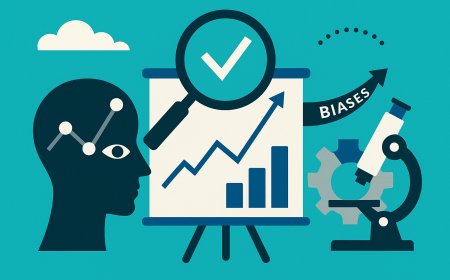
The impact of cognitive bias on market dynamics cannot be overstated. In a typical observational study, researchers might track the influence of news headlines on stock price volatility. When significant news events occur, investor reactions can often be irrational, driven by cognitive biases rather than objective analysis. These reactions create temporary inefficiencies in the market, which algorithmic trading systems can potentially exploit.
To effectively harness behavioral finance within algorithmic models, it is essential to quantify the impact of various biases on market behavior. This quantification involves both historical data analysis and real-time monitoring of investor sentiment. For instance, algorithms could be programmed to recognize patterns indicative of panic selling or excessive optimism, allowing them to adjust trading strategies accordingly.
The implications of this integration extend beyond individual trading strategies to influence overall market stability. By accounting for cognitive biases, algorithmic trading systems contribute to a more balanced market environment, where price movements better reflect underlying economic realities rather than transient psychological influences. This stabilizing effect can mitigate the potential for bubbles and crashes, fostering healthier market conditions for all participants.
A New Paradigm for Investment Strategies
Algorithmic trading and behavioral finance, once disparate disciplines, are converging to redefine modern investment strategies. By leveraging the insights of behavioral finance, algorithmic models gain a deeper understanding of market dynamics, enhancing their ability to predict and react to changes in investor sentiment. This symbiotic relationship not only improves the efficiency of individual trading strategies but also contributes to the broader stability of financial markets.
The future of investing will likely see further integration of these fields, with advancements in artificial intelligence and machine learning playing a pivotal role. As algorithms become increasingly adept at interpreting human behavior, the potential for gains in predictive accuracy and market efficiency grows, heralding a new era of informed and adaptive investment strategies.
What's Your Reaction?