





































































The Science of Persuasion: Reevaluating Traditional Marketing Assumptions
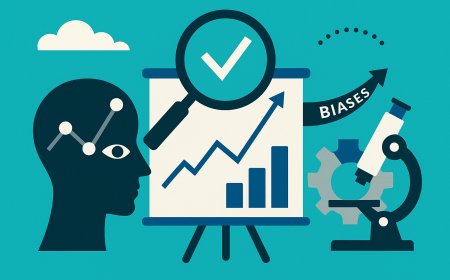
This article challenges traditional marketing assumptions by investigating the science of persuasion through experimental studies and data-driven approaches. It proposes a reevaluation of consumer behavior models and highlights the significance of cognitive biases in shaping marketing strategies.

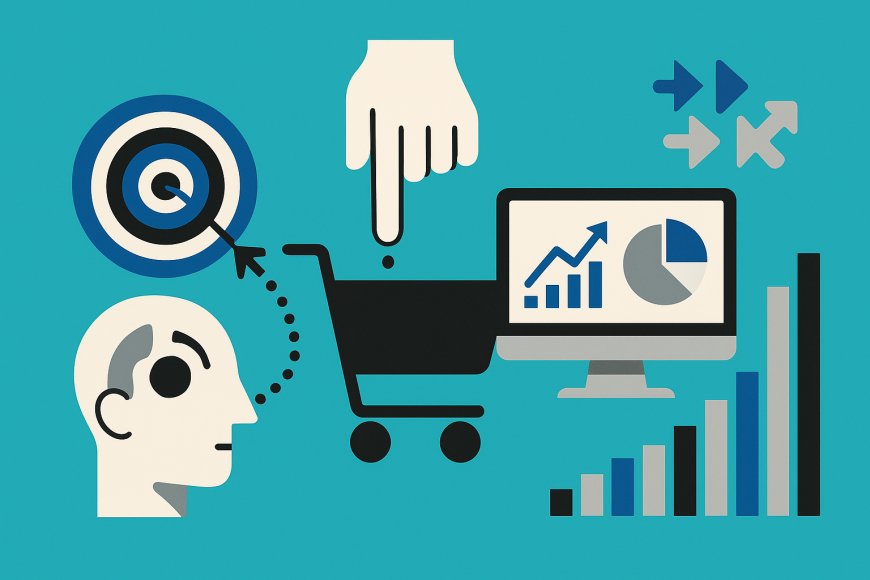
Picture a world where simple nudges can dramatically change consumer behavior. Recent studies in behavioral economics suggest that subtle cues, rather than overt messages, often wield the most profound influence. Consider a retail experiment where shoppers are subtly exposed to scents or colors that evoke nostalgia, leading to increased purchasing. Traditional marketing assumptions emphasize rational decision-making, yet this evidence proposes a radical departure.


Marketing strategies have long been predicated on the belief that consumers make logical, informed choices. However, cognitive psychology reveals that decision-making is far more complicated. In a controlled experiment, when consumers were presented with an abundance of choices, their satisfaction with any decision actually decreased—a phenomenon known as the paradox of choice. This challenges the notion that more options are inherently better, a staple of traditional marketing thought.
Rethinking these assumptions is not merely an academic exercise. The implications stretch into budget allocations, advertising strategies, and product development. By understanding the underlying psychological mechanisms, marketers can devise more effective campaigns that resonate on a subconscious level. This shift aligns more closely with how humans process information, relying on biases and heuristics rather than pure logic.
The Cognitive Biases Reshaping Consumer Behavior
Biases such as the anchoring effect provide another frontier for reconsidering marketing paradigms. Anchoring occurs when an individual relies heavily on an initial piece of information to make subsequent judgments. In a typical pricing strategy study, when a product's original price is displayed alongside a discounted price, the consumer perceives greater value despite the actual savings being minimal. This cognitive anchor can significantly affect purchasing decisions.
Another bias, the endowment effect, suggests that individuals assign disproportionate value to items they own over identical items they do not. In an experimental setting, participants were asked to value a mug they owned versus an identical mug they did not. Predictably, their valuation for their mug was consistently higher. By exploiting this effect, marketers can enhance consumer product loyalty and retention.
The bandwagon effect further complicates traditional marketing theories. This social bias, where people do something primarily because others are doing it, can be seen in viral marketing campaigns. Consider a study involving online product recommendations: products with many reviews, even if mixed, were perceived as more reliable. This bias demonstrates the influence of perceived popularity over individual assessment of quality.
Data-Driven Approaches to Marketing Strategy
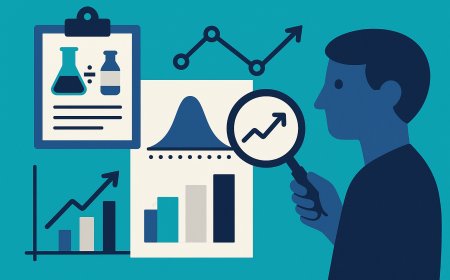
The integration of data analytics into marketing offers a promising avenue for refining consumer engagement. By leveraging big data, companies can tailor marketing efforts to individual preferences, thereby increasing effectiveness. In a data-driven experiment, a company's ad targeting algorithm, based on user browsing history, led to a 35% increase in ad engagement compared to traditional demographic targeting methods.
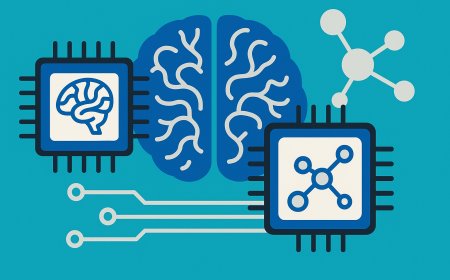
Machine learning algorithms can predict consumer behavior with remarkable accuracy. Predictive analytics in marketing can identify consumer trends, preferences, and even potential brand crises before they escalate. This predictive capability was illustrated in a project where a retail giant utilized sentiment analysis on social media to preemptively address negative consumer feedback.
While these data-driven strategies enhance precision, they must also address ethical considerations. The balance between personalization and consumer privacy remains a contentious issue. Anonymized case studies show that consumer trust can be eroded if individuals perceive their personal data is being misused, which can lead to significant brand damage. The challenge lies in balancing personalization with respect for consumer autonomy.
Reimagining Consumer Models with Behavioral Insights
Traditional consumer models often rely on a linear relationship between product exposure and purchase intent. Yet, behavioral economics suggests a more intricate dance between stimulus and response. In an experiment measuring the effect of loss aversion on buying decisions, participants showed a stronger motivation to purchase when faced with the potential loss of a limited-time offer, rather than a standard discount.
This insight into loss aversion suggests that fear of missing out (FOMO) can be harnessed more effectively than simple price reductions. Another study demonstrated that time-limited offers increased sales by 20% more than constant percentage discounts. This psychological trigger can redefine how marketers approach urgency in their campaigns.
The integration of behavioral insights into consumer models can also address inconsistencies in consumer loyalty. For example, consumers often remain loyal to a brand due to emotional connections rather than product superiority. In a consumer loyalty study, participants were more likely to recommend a brand to others if it aligned with their self-identity, even if the competing brand was objectively superior.
The future of marketing lies in its ability to adapt these behavioral insights into coherent strategies that resonate with human psychology. The challenge will always be to balance innovation with ethical considerations, crafting campaigns that connect authentically with consumers.
As marketers continue to challenge traditional assumptions, the science of persuasion offers both new opportunities and complex dilemmas. The future of marketing will be defined not only by technological advancements but also by our understanding of human cognition and behavior. This evolving field promises exciting developments, urging marketers to remain ever curious and ethically grounded.
What's Your Reaction?