





















































































Redefining the Foundations of Relationship Dynamics through Nonlinear Systems Theory
This article explores the application of nonlinear systems theory to relationship dynamics, challenging traditional linear models. By examining complex interactions in relationships, the article provides insights into behavioral patterns, stability, and change, and discusses the future implications of adopting a nonlinear perspective in understanding human connections.

In the intricate dance of human relationships, traditional models have often relied on linear assumptions. These models postulate predictable, proportional responses to stimuli, simplifying the complexity of human interactions. However, recent perspectives suggest that the dynamics of relationships may be better understood through the lens of nonlinear systems theory, which embraces complexity and unpredictability.


Consider a behavioral experiment in which couples' interactions are analyzed over time. In linear frameworks, one might expect a direct correlation between the level of communication and relationship satisfaction. However, nonlinear systems reveal that minor changes in communication patterns can lead to disproportionately large shifts in relationship dynamics. This is akin to the butterfly effect, where small variations in initial conditions can result in vastly different outcomes.
The Role of Feedback Loops in Relationship Dynamics
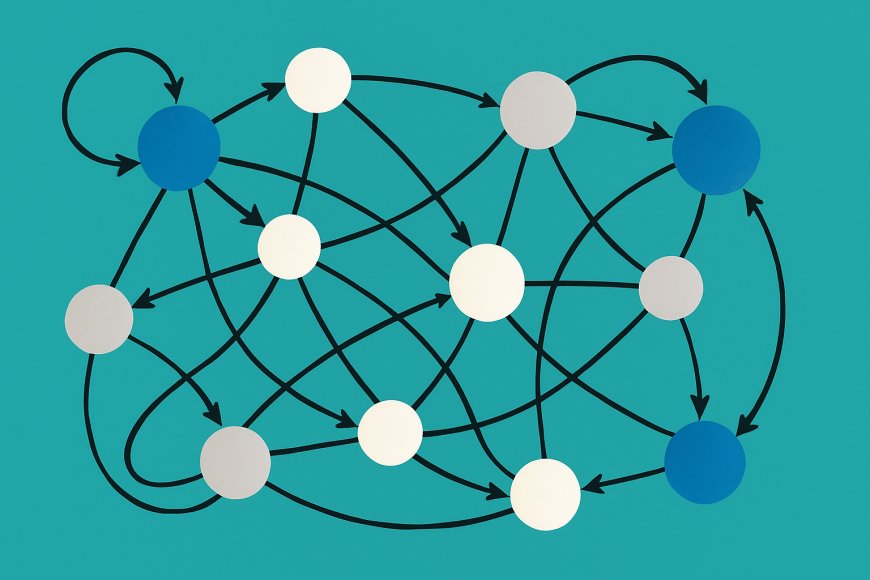
Feedback loops are foundational to understanding nonlinear systems. In relationships, these loops manifest as cycles of behavior and response that can amplify or dampen emotional states. For example, in a typical observational study, a partner's supportive behavior might initially soothe tension. However, if perceived as disingenuous or overbearing, this same behavior might exacerbate conflict, illustrating the complex interplay of feedback mechanisms.
Nonlinear systems theory posits that relationships are not merely the sum of their parts but are defined by their interactions. A couple's dynamic is shaped by recursive feedback, where each partner's actions continuously influence and are influenced by the other's responses. This self-reinforcing or self-correcting nature introduces the potential for emergent properties—novel behaviors and patterns that arise from simple rules.
In recent research conducted at a behavioral science institute, a longitudinal study tracked the evolution of conflict-resolution strategies in relationships over decades. It found that couples exhibiting positive feedback loops—where constructive responses were reciprocated—tended to show increased resilience against stressors. Conversely, negative feedback loops often led to a spiral of negativity, underscoring the delicate balance inherent in relational interactions.
Chaos and Stability: The Dichotomy of Relationship Dynamics
Nonlinear systems are characterized by a paradoxical blend of chaos and stability. This dichotomy is mirrored in relationships, where stability is not necessarily indicative of harmony. Instead, it might signify stagnation, while chaos might signal potential for growth and change. In a controlled laboratory setting, researchers explored how couples navigated transitions, such as job changes or parenthood, destabilizing established patterns and challenging their adaptive capacity.
These transitions often act as perturbations within the system, pushing relationships into states of flux. In such scenarios, stability emerges not from rigidity but from adaptability—the ability to absorb disturbances and reorganize while retaining core structures. This is a hallmark of resilient systems, where adaptability is a measure of robustness, not weakness.
The implications of this perspective are profound. Viewing relationships through a nonlinear lens acknowledges the inherent unpredictability of partner interactions. It suggests that fostering flexibility and openness to change is crucial for maintaining a dynamic equilibrium, allowing partners to navigate their shared journey more effectively.
Implications for Future Research and Practice
The shift towards understanding relationships as nonlinear systems invites a reevaluation of therapeutic practices and research methodologies. It challenges practitioners to move beyond prescriptive approaches that aim to 'fix' relationships. Instead, there is a call to foster environments where partners can explore and adapt their dynamics creatively.
Future research could investigate the thresholds at which small changes in behavior or circumstance induce significant shifts in relationship equilibrium. Additionally, exploring how individual variations in emotional regulation and communication styles affect the stability of these nonlinear systems could yield valuable insights.
In the broader context, this perspective aligns with a growing recognition of the complexity inherent in human systems. By embracing the uncertainty and dynamic nature of relationships, researchers and practitioners are better positioned to support healthier, more resilient connections.
As we continue to explore these concepts, the potential for deeper understanding and innovation in relationship dynamics is vast. This nonlinear approach not only reshapes how we perceive human connections but also inspires a more nuanced appreciation of the intricacies involved in the tapestry of human interaction.
What's Your Reaction?