































































Reassessing Trust in Peer-Reviewed Science: A Methodological Inquiry
Trust in peer-reviewed science is under scrutiny due to biases and authenticity concerns. This article explores the methodologies of peer review, highlighting biases and the implications for research integrity and public trust.


Imagine a groundbreaking research finding that promises revolutionary advancements in medical treatment. It passes through the rigorous peer review process, earning publication in a prestigious journal. Yet, a subsequent investigation reveals significant methodological flaws and potential biases. Confidence in the validity of peer-reviewed science falters. The scenario underscores a critical question: How reliable is the peer review process that underpins scientific integrity?


The peer review process is hailed as a cornerstone of modern scientific inquiry. It ostensibly acts as a filter, ensuring that only high-quality, credible research is disseminated to the public and scientific community. However, scrutiny reveals that this process is not immune to biases, power dynamics, and a lack of transparency. These factors can undermine trust in scientific findings, thereby influencing public policy, funding allocations, and societal perceptions of science.
The Mechanics of Peer Review: An Examination
At its core, peer review is designed to evaluate research papers rigorously before they are published. Typically, a journal editor assigns a manuscript to a set of anonymous reviewers with relevant expertise. These reviewers assess the manuscript's methodologies, results, and conclusions, offering recommendations for improvement or outright rejection. In a typical scenario, this process aims for objective evaluation. Yet, several studies highlight that inherent biases and subjectivity often infiltrate the review process.
Consider a behavioral experiment where a prominent institution's researchers submit a paper on cognitive bias. The reviewers, familiar with the institution, may unconsciously or consciously dismiss methodological errors, influenced by the researchers' reputation. Such biases are not uncommon and can skew research outcomes, as noted in various meta-analyses of peer review efficacy.
Beyond reviewer biases, the selection of reviewers presents another challenge. Editors might inadvertently select reviewers who share similar theoretical perspectives with the authors, creating an echo chamber effect. This cognitive convergence can stifle genuine critique and foster groupthink, allowing flawed methodologies to slip through undetected.
Moreover, the anonymity of the reviewers, intended to protect impartiality, can sometimes lead to a lack of accountability. Reviewers may provide less constructive feedback or dismiss significant findings due to personal or competitive motivations. The absence of post-publication oversight further exacerbates these issues, as errors may persist unchallenged in the literature.
Bias and Trust: A Complex Relationship
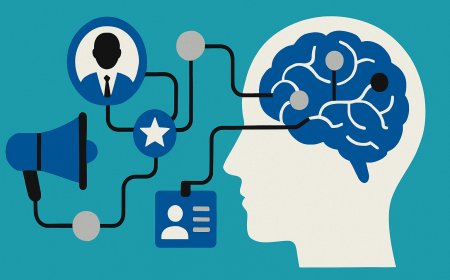
Bias, both conscious and unconscious, is an undeniable component of human cognition. Its presence within peer review has profound implications on trust. Bias manifests in multiple dimensions: confirmation bias, where reviewers favor results that align with their preconceptions, and prestige bias, where high-profile authors or institutions receive preferential treatment.
In a typical observational study, researchers found that manuscripts from highly reputed institutions had a significantly higher acceptance rate than those from lesser-known entities, regardless of the manuscripts' scientific merit. This disparity raises concerns about intellectual diversity and the equitable recognition of contributions from diverse scientific backgrounds.
Furthermore, language bias can influence the review process. Non-native English-speaking researchers often face more critical scrutiny concerning language proficiency than content quality. This not only affects acceptance rates but also diminishes the diversity of scientific discourse, as valuable insights from global perspectives may be overlooked.
These biases do not merely affect individual papers; they cumulatively contribute to a broader perception of scientific integrity. Publicized instances of retractions due to undetected biases or methodological flaws can erode public trust in scientific findings, with far-reaching implications for how science informs policy and societal norms.
A Path Forward: Reimagining Peer Review
Addressing these challenges necessitates a paradigm shift in the peer review process. Innovative methodologies, such as open peer review, where the identities of reviewers and authors are known to each other, can foster transparency and accountability. By doing so, they may reduce instances of bias and promote a culture of constructive criticism.
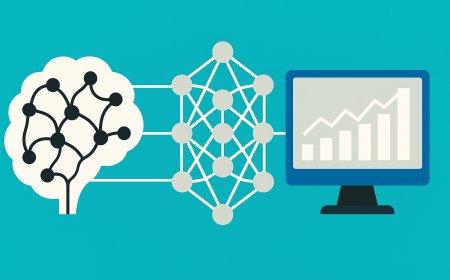
Technological advancements also offer potential solutions. Artificial intelligence systems can aid in initial screenings, identifying methodological flaws or ethical concerns that might be overlooked by human reviewers. Such systems could provide a more objective preliminary evaluation, complementing human expertise in the subsequent stages.
Additionally, fostering diversity among reviewers by including perspectives from various disciplines, ethnic backgrounds, and career stages can enhance the comprehensiveness of the evaluation. This inclusivity may counteract biases and encourage a more holistic examination of research submissions.
The peer review process, while not without its flaws, remains integral to scientific advancement. By addressing its limitations, we can enhance research integrity and uphold public trust. Ultimately, the future of peer-reviewed science lies in balancing rigor with inclusivity, transparency, and adaptability. As methodologies evolve, so too must our commitment to preserving the credibility and authenticity that define scientific inquiry.
What's Your Reaction?